2026 Best Wire Harness Connectors for Your Projects?
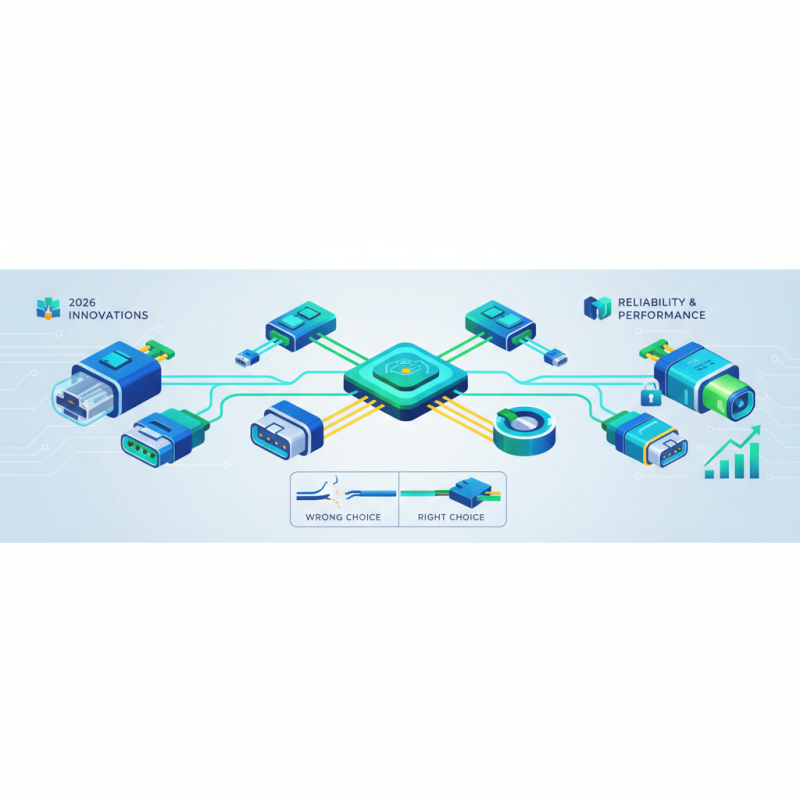
In the world of electronics, choosing the right components can make a significant difference. Wire Harness Connectors play a crucial role in ensuring reliable connections. These connectors are essential for efficient communication between various parts of your project.
As technology continues to evolve, the demand for high-quality connectors increases. In 2026, several options stand out in the market. New designs and materials enhance performance, but not every product is perfect. Some may lack durability or struggle under specific conditions. It's essential to evaluate each connector with real-world applications in mind.
Ultimately, the right Wire Harness Connectors can enhance project reliability. However, the wrong choice can lead to issues down the line. Careful consideration is needed when selecting these vital components for your projects.
What are Wire Harness Connectors and Their Importance in Electronics?
Wire harness connectors play a crucial role in the world of electronics. They serve as the backbone of electrical connections in various devices, from consumer electronics to automotive applications. These connectors ensure that power and signals are transmitted efficiently, making them indispensable in modern technology. An inadequately designed connector can lead to device failure or malfunction, highlighting its importance.
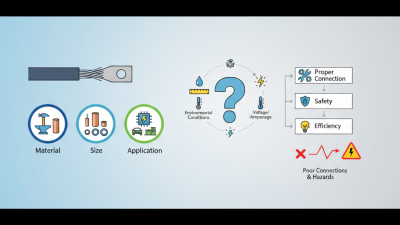
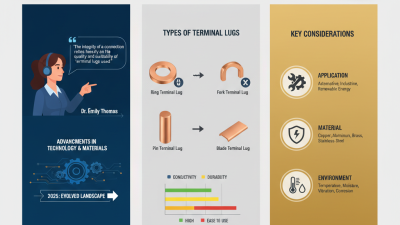
When choosing wire harness connectors for a project, understanding their specifications is essential. Various types exist, including crimp connectors, blade connectors, and circular connectors. Each type has its unique features. For example, crimp connectors can be more reliable in high-vibration environments. However, not all connectors fit every application. Misalignment during installation is a common issue. This can cause intermittent connections, leading to errors that are hard to diagnose.
Quality matters, but so does compatibility. Many engineers struggle with balancing cost and performance. Poor choices can lead to project delays and increased costs. It's vital to evaluate the requirements for each specific application. Adjusting specifications or opting for more versatile connectors can sometimes save time and resources. Making informed decisions during this phase can significantly impact project outcomes.
Key Types of Wire Harness Connectors Used in 2026 Projects
Wire harness connectors are vital for many projects in 2026. Key types include terminal blocks, circular connectors, and ribbon connectors. According to industry reports, the global market for wire connectors is expected to reach $25 billion by 2026, showing their increasing relevance.
Terminal blocks are favored for their versatility. They allow for easy connections and disconnections. Circular connectors offer robustness, making them ideal for harsh environments. Their sealing capabilities are critical for outdoor applications. Ribbon connectors are compact, perfect for tight spaces in electronic devices. Each type has its unique strengths, yet choosing the right connector can often be confusing.
Tips: Always consider the environment where the connector will be used. Think about factors like temperature, moisture, and vibration. Testing connectors with varying loads is essential to ensure reliability. Regularly review your choices. Market trends change; staying updated is crucial. You might find that what worked last year may not be fitting in the future.
2026 Best Wire Harness Connectors for Your Projects
| Connector Type |
Pin Count |
Max Current (A) |
Operating Temperature (°C) |
Material |
| Rectangular Connector |
6 |
10 |
-40 to 100 |
PA66 |
| Circular Connector |
12 |
5 |
-30 to 85 |
Aluminum |
| Blade Connector |
2 |
15 |
-40 to 105 |
Copper |
| D-sub Connector |
25 |
3 |
-20 to 70 |
Steel |
| Hybrid Connector |
8 |
7 |
-40 to 90 |
PBT |
Industry Trends: Innovations in Wire Harness Connector Design and Materials
The world of wire harness connectors is evolving rapidly. Recent industry reports indicate a shift toward more sustainable materials. Companies are now focusing on eco-friendly options without compromising performance. This trend addresses growing environmental concerns. Data shows that 62% of consumers prefer sustainable products in electronics.
Innovations are also emerging in connector designs. Lightweight materials are gaining traction. These innovations can enhance efficiency and reduce costs. For example, advanced polymers are now offering better resistance to heat and chemicals. Yet, some challenges remain. The transition to new materials can be slow. There’s still a need for rigorous testing to ensure these materials meet industry standards.
As the demand for smarter solutions rises, more integrative designs are being developed. Modular connectors are becoming popular, allowing for easier assembly and repair. This flexibility could simplify future upgrades. However, the reliance on complex designs may introduce potential failure points. Balancing innovation with reliability will be crucial for future developments in this field.
Safety Standards and Certifications for Wire Harness Connectors in Use
When selecting wire harness connectors, safety should be a top priority. Compliance with safety standards is essential. Connectors must meet various industry guidelines. These guidelines ensure reliability and prevent hazards. Proper certification indicates a product's ability to handle high currents efficiently. Missteps here can lead to serious accidents.
Understanding the specifics of these standards can be overwhelming. Many connectors claim compliance but may not meet all requirements. It's crucial to perform due diligence. Look for recognized testing organizations involved in the certification process. Choose connectors that are tested for durability, heat resistance, and moisture levels. Every detail matters when it comes to safety.
Unexpected failures can arise from seemingly minor issues. A poorly rated connector might compromise an entire project. Use connectors that have undergone rigorous testing and validation. This approach not only enhances safety but also improves the overall performance of your project. Be proactive in your selection process to avoid costly errors later.
Comparative Analysis of Leading Brands and Their Connector Offerings in 2026
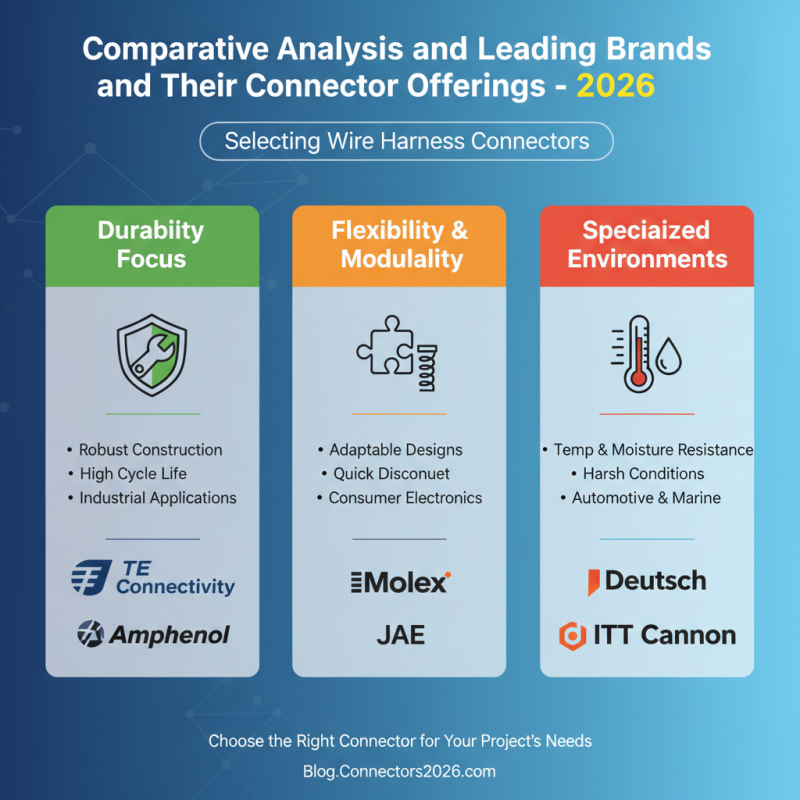
When selecting wire harness connectors for your projects, it’s vital to consider various factors. In 2026, we see a wealth of options on the market. Different connectors offer unique benefits. Some excel in durability, while others prioritize flexibility. For specialized applications, explore connectors designed for specific environments. They may feature improvements in resistance to temperature and moisture.
**Tip:** Always assess your project requirements. Identify if you need connectors that can withstand harsh conditions. This will help narrow down your choices effectively.
Quality is another major aspect. In 2026, leading brands are competing aggressively. However, not all connectors deliver consistent performance. Some may degrade faster than expected. This inconsistency can lead to project delays or failures. Therefore, it's essential to read customer reviews and feedback thoroughly.
**Tip:** Don’t overlook the importance of compatibility. Ensure each connector matches your wire types. This will secure better performance and longevity in your connections.
Finally, pricing often varies significantly. While lower-cost options are appealing, they may not offer reliability. Investing a bit more in quality connectors can pay off with fewer replacements. Reflect on your priorities carefully before making a decision.