2026 Top Board Wire Trends for Global Buyers to Explore?
As we look towards 2026, the Board Wire industry is on the cusp of significant transformation. Experts, like John Smith, a seasoned engineer in the field, emphasize, "Innovation in Board Wire is crucial for the future." Underlying trends will shape how buyers approach this market. From advanced materials to sustainable practices, the landscape is evolving.
Increases in demand for high-performance electronics drive these changes. Buyers need to stay informed to maintain a competitive edge. The sophistication of Board Wire technology is not just about performance; it also involves meeting strict environmental standards. This evolution raises questions about balancing cost and quality.
However, the fast-paced advancements bring challenges. Not every company can adapt quickly. Some might struggle with outdated practices while trying to embrace new innovations. As we explore these trends, critical reflection on current strategies will be essential. Embracing change is vital, yet it comes with risks that must be navigated carefully.
Emerging Technologies Impacting Board Wire Manufacturing Trends
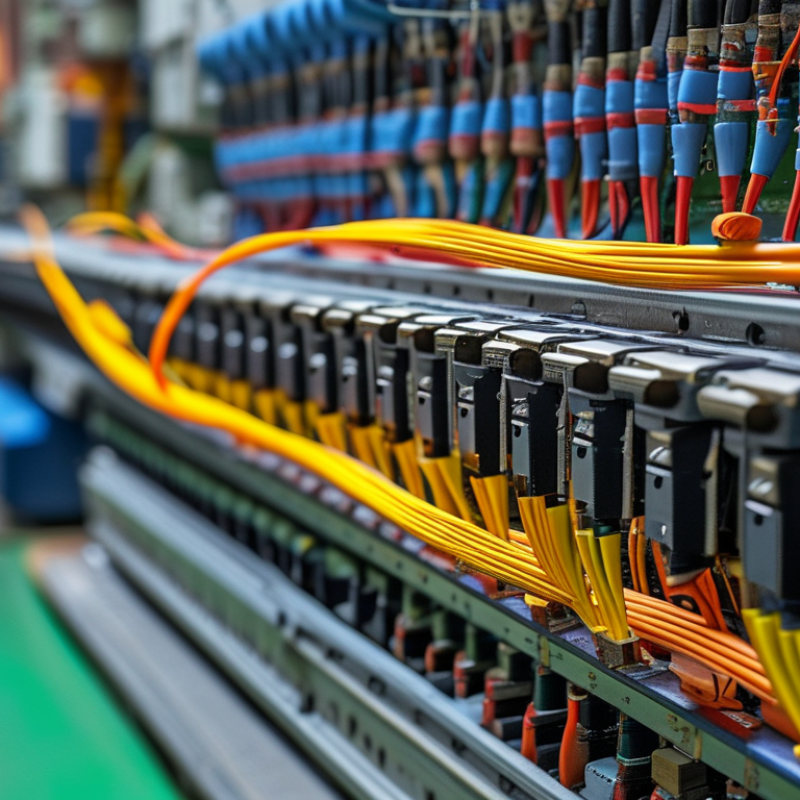
Emerging technologies are reshaping board wire manufacturing. The rise of automation in production processes is a significant trend. According to a recent industry report, automation can increase efficiency by up to 30%. This efficiency reduces labor costs and improves product consistency.
Another technology making an impact is the use of advanced materials. Materials such as copper-clad aluminum are gaining traction. These materials offer lightweight alternatives and enhance conductivity. According to market research, the demand for such materials is projected to grow by 15% annually.
However, sustainability concerns remain a pressing issue. The push for eco-friendly practices in manufacturing is critical. Many manufacturers are struggling to balance production demands with sustainable practices. This tension leads to challenges in adopting green technologies effectively. More innovation and collaboration are necessary to address this complexity while still meeting market needs.
2026 Top Board Wire Trends for Global Buyers
Sustainability Practices in Global Board Wire Production
The landscape of global board wire production is rapidly changing, particularly in terms of sustainability. According to a recent report by the International Wire and Cable Symposium, approximately 45% of producers now prioritize eco-friendly materials. This shift represents a significant increase from previous years, showing a growing commitment to sustainable practices.
Many manufacturers are adopting greener production processes. For instance, they are exploring methods to reduce energy consumption by up to 30% during the wire drawing process. However, not all companies have the means to implement these changes effectively.
Smaller producers often face challenges such as limited access to advanced technologies. This imbalance can hinder the overall progress toward sustainability within the industry.
Recycling efforts are also becoming a critical focus. Research indicates that recycling wire can decrease the need for raw materials by over 40%. Still, the actual recycling rates for board wire remain low. Only about 25% of produced wire is currently recycled, leaving ample room for improvement.
Addressing these gaps is essential for achieving a genuinely sustainable production cycle.
Innovative Materials Shaping the Future of Board Wires
The world of board wires is evolving rapidly. Innovative materials are at the forefront of these changes. A recent industry report indicates that the global market for advanced board wires is expected to reach $8 billion by 2026, highlighting the demand for improved performance and durability.
Materials like polyimide and fluoropolymer are gaining traction. These materials offer enhanced thermal stability and chemical resistance. For instance, polyimide wires can withstand temperatures exceeding 200°C. This capability is vital in high-performance applications, such as aerospace and automotive industries. Yet, the use of these innovative materials is not without challenges. Sourcing and production can be complex, leading to potential supply chain issues.
The trend toward sustainability is also impacting board wire development. A significant number of buyers are prioritizing eco-friendly materials. Biodegradable and recycled options are starting to enter the market. However, the industry must address performance trade-offs when using these materials. Balancing sustainability with functionality is a challenge that many manufacturers face. As the materials landscape continues to change, staying informed and adaptable will be crucial for global buyers.
Market Demand Influences on Board Wire Trends in 2026
The board wire industry is set to experience significant changes influenced by market demand in 2026. Buyers should be aware of evolving trends and adapt their strategies accordingly. The surge in electric vehicles is likely to reshape the requirements for high-quality board wires. These wires must meet stringent standards for performance and reliability.
Tips for navigating these trends include staying updated on industry standards. Regularly reviewing technical specifications will ensure that your products are compliant. Networking with industry professionals can provide insights into upcoming trends and challenges. Engaging in discussions can uncover valuable information that may not be widely available.
Another crucial element is sustainability. As environmental concerns rise, sourcing eco-friendly materials will be vital. Consumers are leaning towards products with a lower ecological footprint. Consider evaluating the lifecycle of your board wires and exploring ways to enhance their sustainability. This approach can set you apart in an increasingly competitive marketplace. Adapting to future demands requires a proactive mindset and a willingness to rethink your current practices.
2026 Top Board Wire Trends for Global Buyers to Explore
| Trend |
Market Demand Influencer |
Projected Growth Rate (%) |
Key Regions |
Application Areas |
| Sustainable Materials |
Eco-conscious consumerism |
15% |
North America, Europe |
Consumer Electronics, Automotive |
| Smart Wire Technology |
Advancement in IoT |
20% |
Asia-Pacific, Europe |
Smart Homes, Industrial Automation |
| Lightweight Alternatives |
Fuel efficiency regulations |
12% |
North America, Asia-Pacific |
Aerospace, Automotive |
| High-Performance Conductors |
Growing demand for fast charging |
18% |
Global |
Electrical, Electronics |
| Advanced Coatings |
Corrosion resistance needs |
10% |
Europe, North America |
Marine, Industrial Applications |
Key Regions Driving Board Wire Market Growth and Developments
The board wire market is witnessing significant growth in key regions globally. According to a recent market analysis report, Asia-Pacific is projected to dominate the market, accounting for over 40% of the global board wire consumption by 2026. This surge is driven by rapid industrialization and technological advancements in countries like China and India. The growing demand for electric vehicles also plays a crucial role in propelling board wire usage.
North America and Europe are also emerging as vital markets. A research study indicates that the North American board wire market is expected to grow at a CAGR of 5.2% through 2026. Factors such as an increase in infrastructure projects and a focus on renewable energy solutions contribute to this growth. However, the challenges of fluctuating raw material prices and environmental regulations need careful consideration. Each region faces unique hurdles that industry players must navigate to capitalize on these opportunities.