2026 Top Wire Electrical Connector Trends for Global Buyers?
The global wire electrical connector market is poised for significant growth by 2026. According to a recent MarketsandMarkets report, the wire connector market is projected to reach USD 89.9 billion by 2026, expanding at a CAGR of 6.2%. This surge is driven by increasing demand in the automotive and telecommunications sectors. The rise of electric vehicles and smart technologies is changing how we view connectivity.
Innovation in wire electrical connectors is critical. Industry leaders focus on developing reliable and efficient connectors to meet evolving technological requirements. However, challenges remain. Adapting to stricter regulations and varying global standards can complicate manufacturing processes, leading to potential quality issues. Buyers must consider these factors when sourcing connectors.
Understanding these trends is crucial for global buyers. Staying informed about innovations like miniaturization and sustainable materials is essential. It fosters informed decisions that can lead to competitive advantages. The future of wire electrical connectors is promising yet complex, necessitating continuous learning and adaptation from industry stakeholders.

Emerging Technologies Influencing Wire Electrical Connector Design
The electrical connector market is evolving rapidly, driven by emerging technologies. Innovations in materials and designs are reshaping wire electrical connectors. Notably, advancements in polymer materials enhance flexibility and reduce weight. According to a report by MarketsandMarkets, the wire connector market is projected to reach $9.5 billion by 2026, highlighting a significant growth trend.
Smart technology integration plays a crucial role in connector design. Connectors today often feature intelligent capabilities that improve performance and reliability. Data from ResearchAndMarkets indicates that smart connectors are becoming essential in automotive and consumer electronics applications. However, not all designs efficiently leverage these technologies. A thoughtful approach to integration is necessary to avoid compatibility issues.
Tips: Focus on durability when selecting materials. Lightweight connectors can sometimes compromise strength. Consider the application before choosing a design. Balancing functionality with innovation will determine success in this evolving market. Remember, not every emerging technology will suit all applications. Therefore, always assess your specific needs to find the best fit.
Key Features and Innovations Expected in 2026 Wire Connectors
As we approach 2026, the wire electrical connector industry is poised for significant innovations. Buyers can expect improvements in materials and design. Lightweight yet durable materials are becoming the standard. These advancements promise to enhance performance and longevity. Additionally, there's a growing focus on connectors that offer superior thermal management.
New designs will likely feature enhanced locking mechanisms. This improves connectivity reliability, especially in high-vibration environments. Look out for connectors with modular designs, enabling customizable configurations. Such versatility is crucial for adapting to various applications, from consumer electronics to industrial machinery.
**Tip:** Evaluate your specific needs before choosing connectors. Accessibility and compatibility matter.
Another trend is the push toward smart connectors. These may include built-in sensors for monitoring electrical performance. This technology can provide real-time data and diagnostics. While this innovation creates exciting possibilities, it also raises questions about data security and reliability. Consider the implications thoroughly.
**Tip:** Stay updated on emerging technologies. This knowledge can guide smarter purchasing decisions.
2026 Top Wire Electrical Connector Trends for Global Buyers
| Feature |
Description |
Innovation |
Market Impact |
| Miniaturization |
Development of smaller connectors for compact electronic devices. |
Use of advanced materials to reduce size without sacrificing performance. |
Increased adoption in consumer electronics and IoT devices. |
| Automated Assembly |
Techniques for fast and reliable automated assembly of connectors. |
Integration of AI and robotics in manufacturing processes. |
Reduction in production costs and time. |
| Eco-friendly Materials |
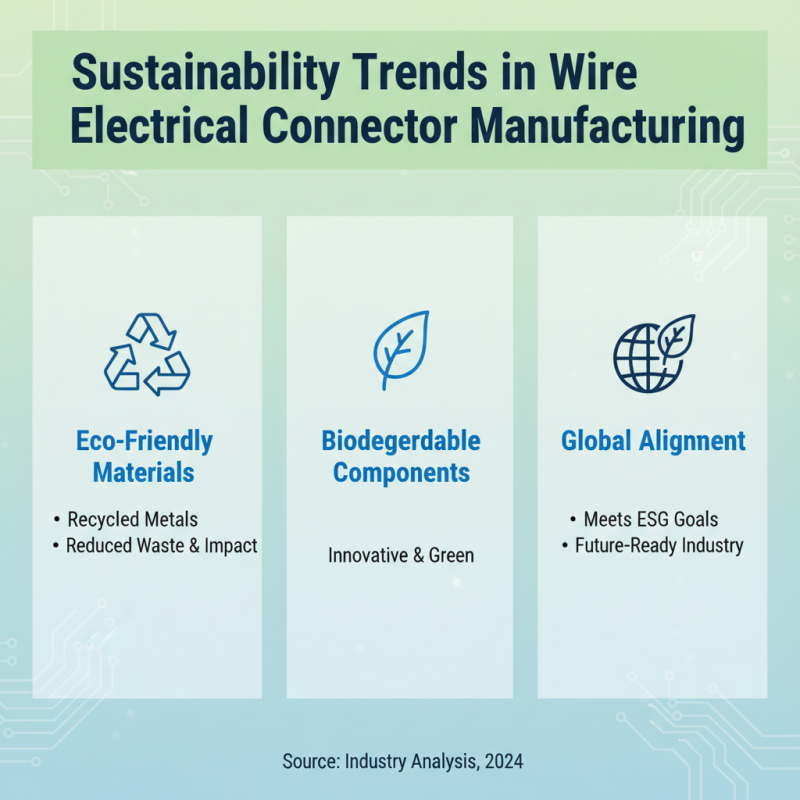
Growing use of recyclable and biodegradable materials in connector production. |
Development of novel materials that minimize environmental impact. |
Aligns with global sustainability goals and consumer demand. |
| Smart Connectors |
Incorporation of sensors and connectivity features in connectors. |
Integration of IoT capabilities for real-time data monitoring. |
Facilitates smarter devices and enhances user experience. |
| Enhanced Durability |
Connectors designed to withstand harsh environments and conditions. |
Use of high-performance coatings and robust designs. |
Increased reliability in automotive and industrial applications. |
Market Demand and Growth Projections for Wire Electrical Connectors
The market for wire electrical connectors is experiencing notable growth. This growth is driven by increasing demand across various sectors, including automotive, consumer electronics, and renewable energy. Buyers are keen on innovative designs that ensure reliability and efficiency. With technological advancements, manufacturers are developing connectors that can withstand extreme conditions. This leads to a rise in specialized connectors tailored for specific applications.
Tips: Always consider the environmental impact when selecting connectors. Look for options that promote sustainability and energy efficiency. Understanding the specific requirements of your application will also lead to better choices.
As market projections indicate a shift towards digitalization, connectors are evolving. Buyers need connectors that can handle higher data transmission rates. Industry experts suggest keeping an eye on the latest trends. Attend trade shows and consult professionals for insights on the newest technologies. Failing to stay updated could result in poor decisions.
Regional Insights: Key Markets for Wire Electrical Connectors in 2026
The wire electrical connector market is evolving rapidly. Regions like North America and Asia-Pacific show significant growth potential in 2026. North America benefits from a robust automotive sector. Electric vehicles drive the demand for innovative connectors. Meanwhile, Asia-Pacific sees an increase in manufacturing. Countries like China and India focus on expanding their electronic industries.
European markets also present unique opportunities. Strict regulations fuel the need for high-quality connectors. Companies require reliable solutions for sustainability. The growing emphasis on renewable energy sources impacts connector design and functionality. However, the challenge lies in balancing innovation with cost efficiency.
Emerging markets in South America and Africa cannot be overlooked. There is a growing demand for infrastructure development. This opens avenues for various electrical applications. Yet, businesses must adapt to local conditions and varying regulations. Understanding regional needs is crucial for successful market entry.
2026 Top Wire Electrical Connector Trends for Global Buyers
This chart illustrates the projected market demand for wire electrical connectors across different regions in 2026, highlighting North America and Asia Pacific as the leading markets. Understanding these trends will help global buyers make informed decisions when sourcing wire electrical connectors.