2026 Top Wire Harness Connectors Buyer Guide and Trends?
In recent years, wire harness connectors have become vital components in various industries. These connectors ensure reliable electrical connections and signal transmissions across devices. As technology evolves, the demand for advanced wire harness connectors increases. This requires buyers to stay informed about trends and innovations.
Understanding the current landscape is crucial for anyone looking to invest in these components. Buyers must identify key features and industry standards. They should also look for trusted manufacturers known for quality and performance. Selecting the right wire harness connectors can directly impact the efficiency of a project.
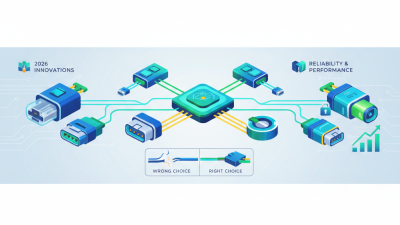
As we approach 2026, specific trends are emerging. Sustainability in manufacturing processes is gaining traction, reflecting a broader industry shift. Additionally, smart technology integration is becoming more prevalent in wire harness designs. Recognizing these trends can empower buyers to make better-informed decisions. However, the complexity of these products means there is always room for reflection and improvement in choices made.

2026 Wire Harness Connectors Overview and Market Significance
The wire harness connectors market is evolving rapidly.
These components are critical in various industries, from automotive to aerospace. As technology advances, the demand for
reliable connectors grows.
Market significance lies in their role. They ensure efficient signal transmission and electrical connections. With
increasing automation and digitalization, the demand for
high-quality connectors is paramount. Manufacturers must focus on
durability and ease of installation. This can lead to
reduced downtime and improved performance.
Tips for choosing wire harness connectors: consider the environmental conditions they will face. Will they be exposed to
extreme temperatures? Proper material selection is key. Look for connectors that offer good resistance to
moisture and contaminants, ensuring longevity. Invest in
reliable testing methods to assess performance under various
conditions.
Another suggestion is to stay updated on industry trends. New
technologies can influence design and functionality. Adapting to these changes can enhance product offerings. However,
be cautious. Implementing new trends without thorough analysis can lead to operational issues. Always weigh the
pros and cons before making changes to your connector selections.
Essential Features to Consider When Buying Wire Harness Connectors
When purchasing wire harness connectors, several essential features should be on your radar. One key aspect is the material used in the connectors. Materials like nylon or thermoplastic elastomer provide good durability and resistance to temperature variations. It’s important to assess your needs based on the environment in which the connectors will operate.
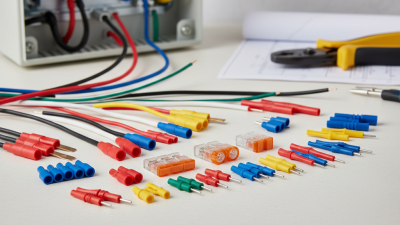
Connectivity is another crucial feature. Check the connector style and pin configuration. Ensure compatibility with your devices. Some applications may favor circular connectors for their robustness, while others might need rectangular shapes to save space. This decision can greatly affect performance and reliability.
**Tips:** Always test connectors in real-world scenarios. Look for connectors with specific ratings for voltage and current. This helps prevent issues down the line.
Also, remember to review the locking mechanism. A secure locking system prevents disconnections during operation. This is vital in high-vibration environments. Neglecting this detail could lead to costly failures and downtime. Pay attention to these aspects to avoid potential pitfalls in your projects.
Top Manufacturers and Suppliers in the Wire Harness Connector Market
The wire harness connector market is evolving rapidly. A recent industry analysis predicts a growth rate of around 6% annually. This growth is driven by increasing demand from sectors like automotive, aerospace, and telecommunications. Manufacturers are facing challenges, particularly in meeting the demand for miniaturization and increasing electrical efficiency. Innovation is not just desired; it is necessary.
Several top manufacturers are leading the way, focusing on creating robust connectors. Key players invest significantly in research and development. They aim to understand customer needs better and improve product performance. Reports highlight that companies with a strong focus on durability and environmental resistance tend to perform better in the market. However, some manufacturers struggle to keep pace with rapid technological advancements.
Supply chain disruptions have also impacted the industry. Some suppliers report delays due to raw material shortages. This has forced manufacturers to rethink their sourcing strategies. Companies are exploring alternative materials and local suppliers. Ensuring reliability remains crucial, but it comes with its challenges. These dynamics necessitate ongoing adaptation and responsive strategies in the ever-changing market landscape.
Future Innovations and Technologies in Wire Harness Connectors
The future of wire harness connectors is evolving rapidly. Innovations are driven by the demand for higher efficiency and reliability. Lightweight materials are on the rise. These materials not only reduce weight but also enhance performance. The industry is witnessing a shift towards eco-friendly solutions. Companies are investing in sustainable production methods. This reflects a broader commitment to environmental responsibility.
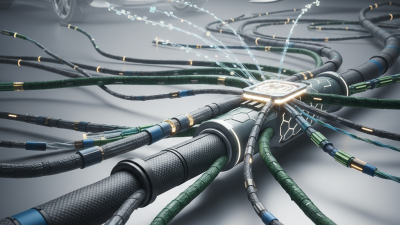
Connectivity technologies are also advancing. Integration of smart features in connectors improves data transfer. AI-driven diagnostics can predict failures. This ensures proactive maintenance and minimizes downtime. However, these technologies come with challenges. The balance between innovation and cost-effectiveness remains crucial. Buyers must navigate the complexities of new technologies. Understanding the long-term benefits of these innovations is vital for future investments.
As we look ahead, the focus will be on adaptability. Customization will play a significant role. Manufacturers need to respond to diverse market demands. Continued collaboration between engineers and designers will drive this evolution. Staying informed about trends in wire harness connectors is essential for future success.