2026 Top Trends in Electrical Harness Technology Innovations?
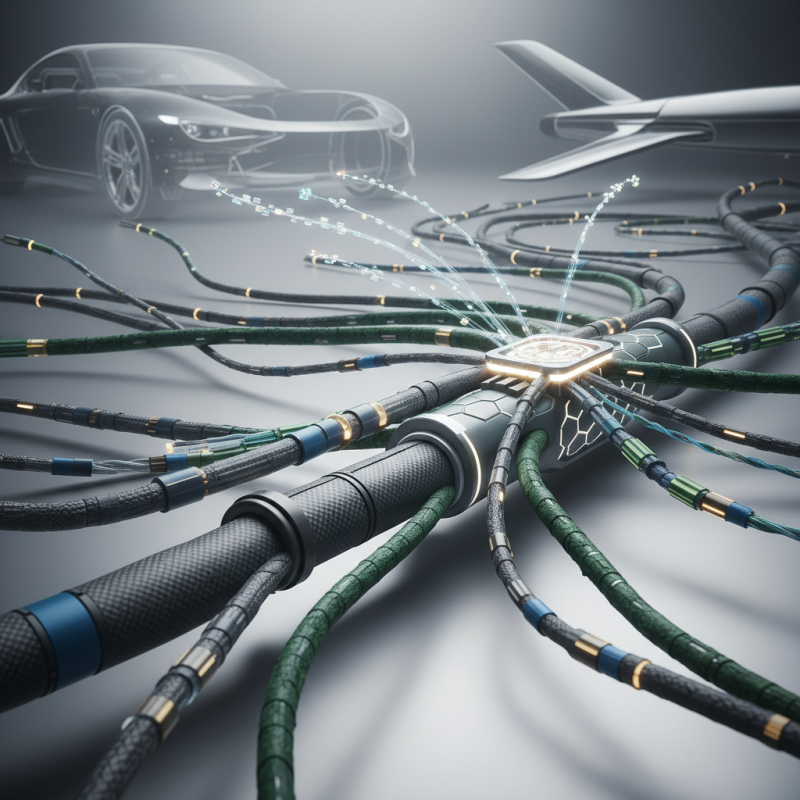
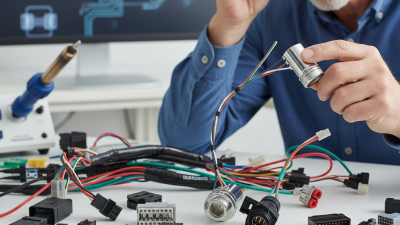
In recent years, Electrical Harness technology has seen significant advancements. This innovation is crucial in numerous sectors, including automotive and aerospace. Organizations are focusing on improving efficiency and reliability.
The latest trends highlight materials that enhance durability and flexibility. These innovations address existing limitations, but challenges remain. For example, the integration of smart sensors into Electrical Harness systems appears promising yet needs further development.
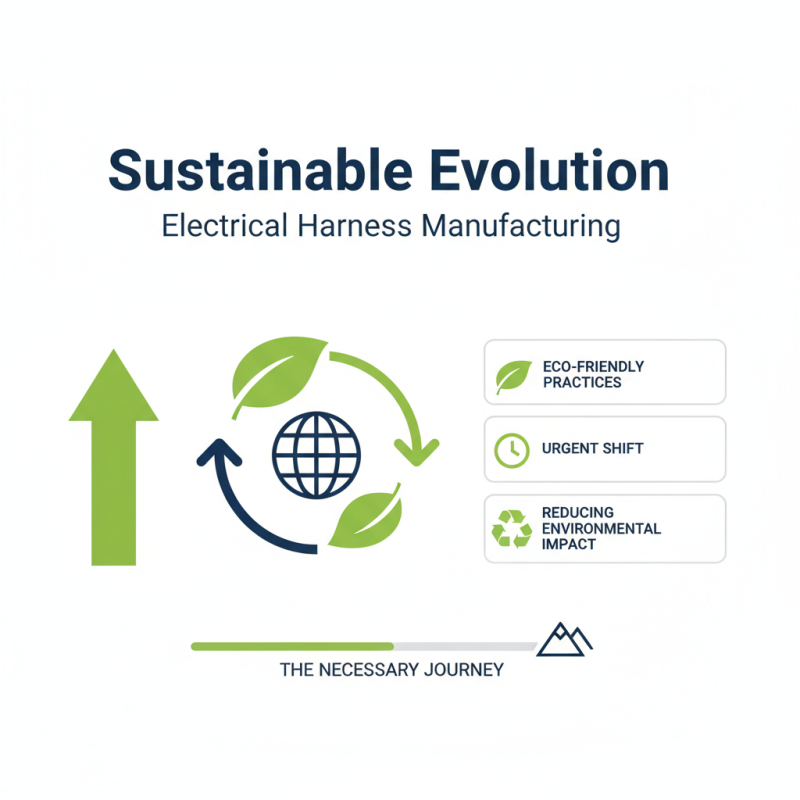
Moreover, manufacturers are exploring greener materials for harnesses. While this is a positive step, the cost and availability issues may hinder progress. Balancing innovation with practical implementation is essential. The evolving landscape of Electrical Harness technology invites scrutiny and demands thoughtful reflection on future directions.
Key Innovations Driving Electrical Harness Technology in 2026
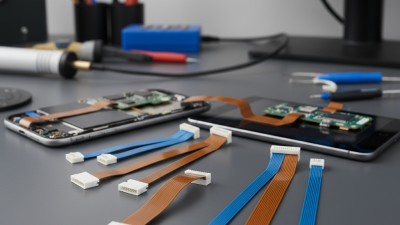
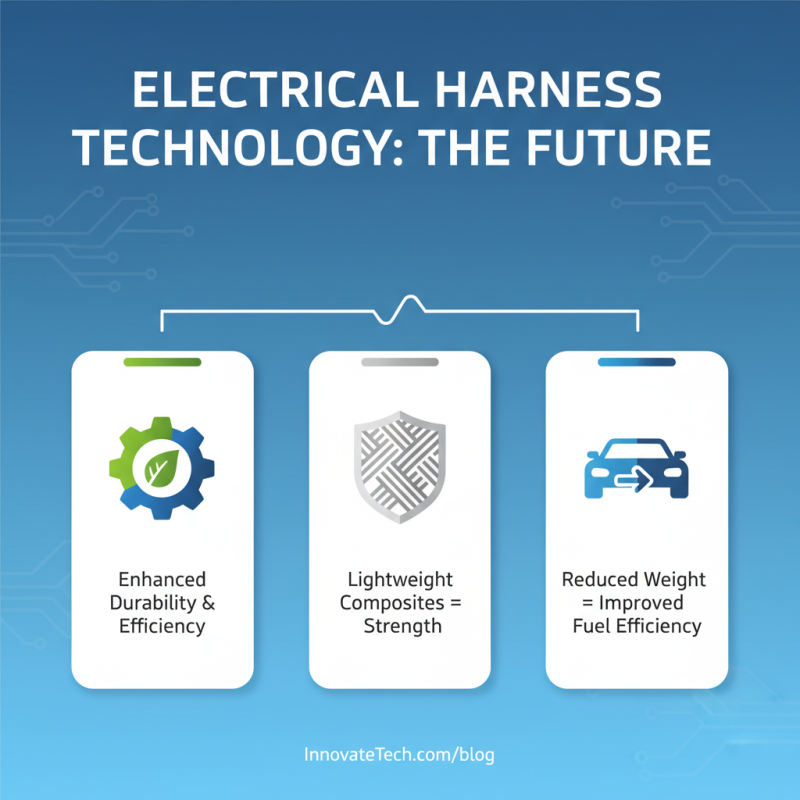
The landscape of electrical harness technology is evolving rapidly. In 2026, innovations will focus on lightweight materials. These materials enhance flexibility and reduce overall weight in harness systems. This change allows for improved efficiency in various applications, including automotive and aerospace.
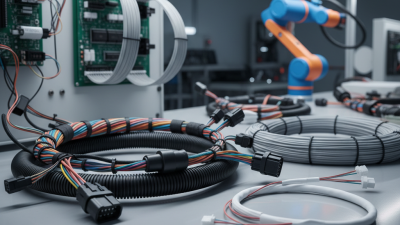
Another notable trend is increased automation in the manufacturing process. Automated systems can enhance precision and minimize errors in production. This shift could lead to cost savings and faster turnaround times. Additionally, enhanced testing techniques are being developed. These techniques aim to ensure reliability and performance in real-world conditions.
However, there are challenges. Implementing new technologies can be costly and time-consuming. Companies may struggle to adapt to these advancements. The need for skilled workers who understand these technologies is critical. Addressing these issues is vital for success in the electrical harness sector.
Smart Wiring Solutions: Integrating IoT in Electrical Harness Systems
The integration of IoT into electrical harness systems is revolutionizing how industries operate. Smart wiring solutions allow for real-time monitoring and diagnostics. This can lead to enhanced efficiency and reduced downtime. According to a recent report, over 70% of manufacturers are exploring IoT applications in their processes.
Smart wiring not only simplifies installation but also improves safety. By utilizing sensors, these systems can detect potential failures. This proactive approach can save companies millions in repairs and downtime. In fact, a study shows that predictive maintenance can decrease operational costs by up to 25%. However, this technology is not without challenges. Cybersecurity concerns are growing, as systems need to remain secure from potential breaches.
Moreover, the standardization of smart wiring solutions is still a work in progress. Many companies face compatibility issues with existing systems. This fragmentation complicates the implementation of IoT in harness technology. It requires careful planning, and not all organizations are prepared for the transition. This highlights the need for ongoing innovation and collaboration in the industry.
Safety Enhancements: Addressing Risks in Electrical Harness Design
In recent years, safety in electrical harness design has gained immense focus. With increasing applications across industries, the risks associated with poorly designed harnesses have become apparent. Short circuits, overheating, and insulation failures can lead to severe consequences. It's essential to address these risks proactively.
One innovative approach is integrating redundant safety features. This can include double insulation or the use of shielded cables. Such measures can help minimize the impact of potential failures. People often overlook the importance of selecting the right materials. Using flame-retardant materials and proper cable management systems is crucial. These choices significantly enhance overall safety.
Tips: Regularly inspect the wiring for wear or damage. Create maintenance schedules to review safety protocols. Invest time in training for personnel handling electrical components. Awareness and education can prevent accidents before they happen. Sometimes, even minor adjustments can lead to significant safety improvements. Remember, safety is an ongoing process, not a one-time checklist.