Top 10 Benefits of Using Cable Wire Harness in Modern Electronics?
In the rapidly evolving landscape of modern electronics, the significance of a Cable Wire Harness cannot be overstated. John Smith, a seasoned engineer in the industry, once stated, "A well-designed Cable Wire Harness can be the heart of any electronic device." This highlights the vital role these components play in ensuring functionality and efficiency.
Cable Wire Harnesses streamline the complex network of wires and cables, enhancing both organization and reliability. They reduce the risk of interference and damage, which can lead to costly mistakes and delays. As technology advances, the demand for precision and durability increases. A well-crafted Cable Wire Harness can withstand harsh conditions while providing impeccable performance.
However, not all Cable Wire Harnesses are created equal. Engineers must carefully consider material selection and design to meet specific needs. In some cases, overlooking small details can compromise the entire system. Therefore, understanding the benefits and best practices of using Cable Wire Harnesses is crucial for any successful modern electronic application.
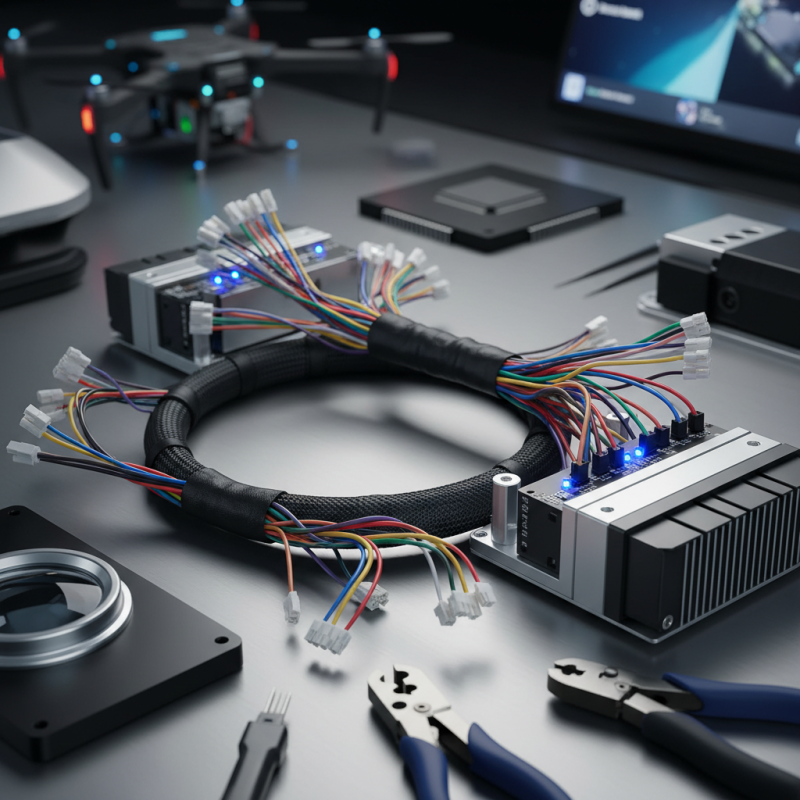
Benefits of Cable Wire Harness in Reducing Electrical Noise in Devices
Cable wire harnesses play a crucial role in modern electronics, particularly in reducing electrical noise. This type of assembly organizes multiple wires into a single unit, which simplifies installation and maintenance. By bundling wires, these harnesses minimize electromagnetic interference. Less interference leads to clearer signals in devices.
Electrical noise can disrupt communication between components. A well-designed harness can mitigate this issue. Proper shielding techniques, like twisted pairs or foil shields, play a significant role. These methods can effectively block external noise.
Yet, designing a cable wire harness is not without challenges. It requires a deep understanding of the device's electrical environment. Ignoring specific requirements can lead to ineffective noise reduction. Engineers must carefully consider layout, materials, and production methods to achieve optimal results. Balancing cost and performance is often a difficult task.
Enhanced Durability: How Cable Wire Harnesses Improve Longevity of Electronics
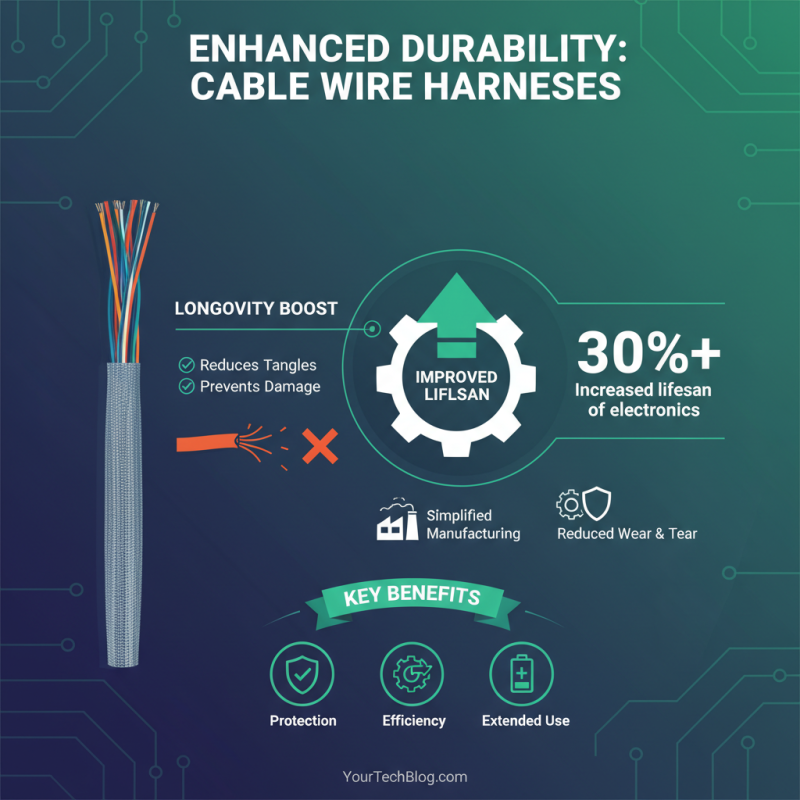
Cable wire harnesses play a crucial role in enhancing the durability of modern electronics. By grouping multiple wires together, they minimize wire tangling and damage. This structured approach not only simplifies manufacturing but also leads to a significant reduction in wear and tear during operation. Studies show that using wire harnesses can improve the lifespan of electronic devices by as much as 30%, depending on the environment and usage.
In harsh conditions, such as extreme temperatures and vibrations, cable wire harnesses provide additional protection. They often incorporate protective coatings or sheaths, which shield sensitive wires from corrosion and abrasion. A report from the IEEE indicates that environments with high exposure to moisture can decrease electronics longevity by 50%. Harnessing cables properly can mitigate these risks.
However, the design and installation of cable harnesses must be executed with precision. Poorly designed harnesses can lead to failures, negating their intended benefits. Industry experts recommend regular reviews and testing to ensure reliability. This acknowledgment of potential pitfalls reflects a commitment to ongoing improvement in electronic durability.
Cost Efficiency: Analyzing Savings from Using Cable Wire Harnesses
Cost efficiency is a primary advantage of using cable wire harnesses in modern electronics. These harnesses streamline the wiring process, reducing assembly time and labor costs. By grouping multiple wires into a single, organized bundle, manufacturers can enhance productivity. This method also minimizes errors that might arise from handling individual wires. Such efficiency directly translates to savings for companies.
Consider these tips for maximizing cost efficiency with cable wire harnesses. Always analyze the layout of your device before designing the harness. A well-planned design reduces excess wiring and lowers material costs. Regularly review your production methods to identify areas for improvement. This can lead to further savings over time.
Choosing quality materials can also yield long-term savings. While the initial investment might be higher, durable materials decrease the likelihood of system failures. This prolongs product lifespan and reduces repair costs. Not every manufacturer optimizes for cost efficiency. Reflecting on production practices can highlight areas needing improvement.
Simplifying Assembly: The Role of Wire Harnesses in Manufacturing Processes
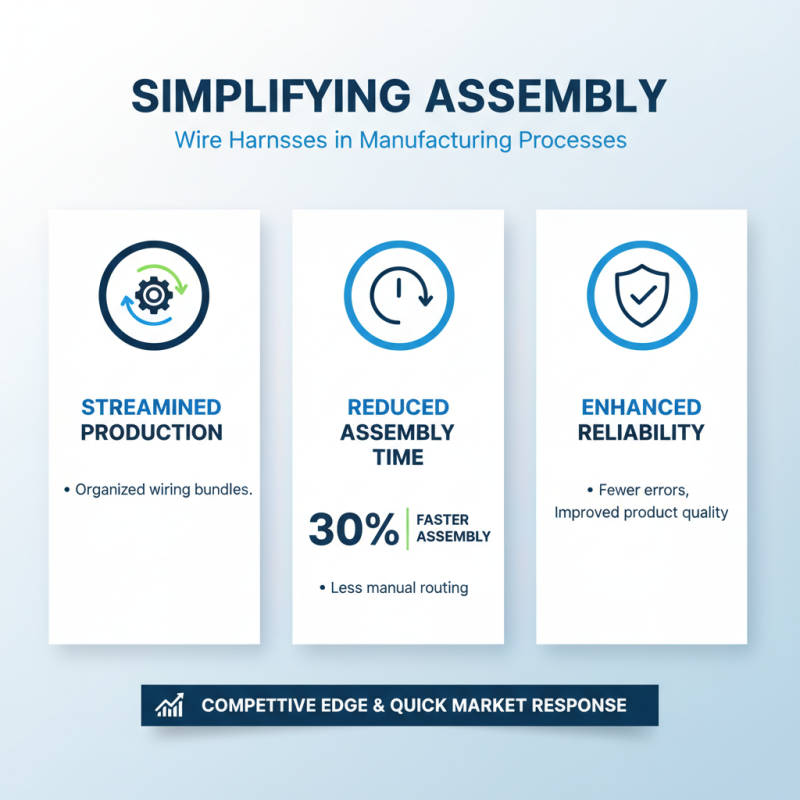
In the fast-paced world of modern electronics, wire harnesses have emerged as a crucial component in manufacturing processes. These assemblies streamline production, reduce assembly time, and enhance reliability. Reports indicate that wire harnesses can cut assembly time by nearly 30%. This efficiency enables manufacturers to respond quickly to market demands, providing a competitive edge.
Wire harnesses simplify complex connections between various components. The organized structure reduces the risk of errors during assembly. A study by the International Society of Automation highlighted that nearly 60% of electrical failures stem from poor wiring practices. A well-designed harness minimizes this risk, promoting electrical integrity. Moreover, using standardized harness designs can facilitate scalability in manufacturing.
However, not all wire harness systems are perfect. The initial design phase can be complex, potentially leading to oversights. Manufacturers often must balance customization and mass production needs. With the right expertise and careful planning, challenges can be mitigated. As industries evolve, integrating wire harnesses will likely remain central to manufacturing efficiency.
Improving Safety: Reducing Short Circuits with Cable Wire Harness Design
In modern electronics, the design of cable wire harnesses plays a key role in improving safety. A well-structured harness can significantly reduce the risk of short circuits. According to a report by the International Electrotechnical Commission, short circuits account for nearly 30% of electrical failures in devices. This alarming statistic underscores the necessity of investing in reliable harness designs.
Harnesses minimize loose connections and prevent wires from fraying, both of which can lead to dangerous sparking. Effective cable management reduces electrical stress and enhances overall system reliability. Additionally, using heat-shrink tubing or sleeving can protect wires from external damage. A study from the Institute of Electrical and Electronics Engineers indicates that proper insulation can decrease short circuit occurrences by up to 40%.
Tip: Regularly inspect harnesses for wear and tear. Small changes can make a big difference. Based on field data, over 60% of issues arise from inadequate maintenance. Keeping cables organized and properly insulated promotes safety and longevity.
Another important aspect is the choice of materials. High-quality insulation materials resist environmental effects better. However, selecting cheaper options might lead to risks that outweigh cost savings. A recent survey revealed that 75% of manufacturers prioritize long-term reliability over initial cost, recognizing the value of quality in safety.
Top 10 Benefits of Using Cable Wire Harness in Modern Electronics