2026 Best Circuit Board Connectors for Global Buyers?
In the fast-evolving world of electronics, the importance of quality Circuit Board Connectors cannot be overstated. These components serve as the backbone of various devices, ensuring reliable connections between different parts. With countless options available, global buyers may find it challenging to choose the best connectors for their specific needs.
As we approach 2026, the landscape of Circuit Board Connectors will continue to shift. Advances in technology will lead to the emergence of new designs and materials. Therefore, understanding the trends and features of the best connectors available is crucial. Not all connectors are created equal, and some may not withstand future demands.
Buyers must consider factors such as compatibility, durability, and cost-effectiveness. Many struggle with making informed decisions due to the sheer volume of products. This overview aims to guide global buyers through the intricate landscape of Circuit Board Connectors. It seeks to highlight the most reliable options available, while also acknowledging the potential difficulties in selecting the right products.
Top Connector Types for Circuit Boards in 2026
As we look towards 2026, the landscape of circuit board connectors continues to evolve. Based on industry reports, the global connector market is projected to reach over $100 billion by 2026. This growth reflects the rising demand for connectivity in diverse sectors like automotive, telecommunications, and industrial automation. Circuit board connectors, crucial for ensuring reliable connections, form the backbone of modern electronic systems.
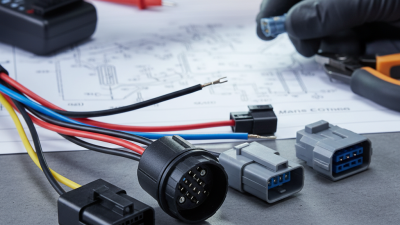
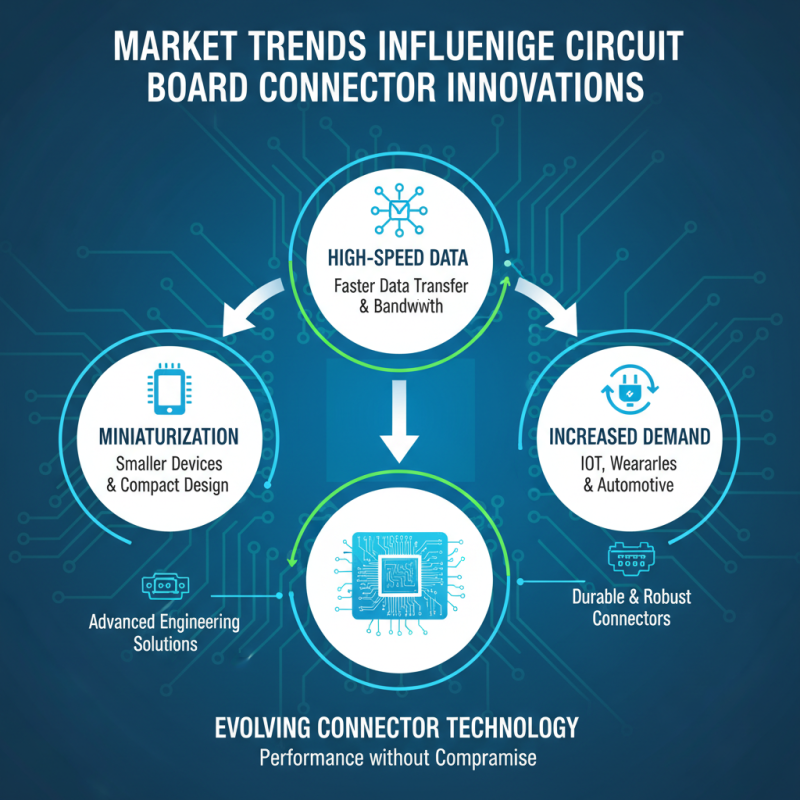
Several connector types are expected to dominate in 2026. For instance, rectangular connectors are gaining traction due to their versatility and compact design. According to a recent study, their market share is forecasted to exceed 30% of the overall connector market. Another significant type is USB connectors, widely used for data transmission and power delivery. They are projected to maintain a steady growth rate as new applications emerge. However, challenges persist, such as the need for robustness in harsher environments and compatibility with varying standards.
While the shift towards higher frequencies and miniaturization is evident, manufacturers face obstacles in maintaining performance standards. Issues like signal integrity and thermal management require continuous innovation. The connector design process must address these factors to ensure longevity and reliability in circuit board applications. As 2026 approaches, understanding these dynamics will be vital for buyers aiming to select the best circuit board connectors.
Key Features to Look for in Circuit Board Connectors
When choosing circuit board connectors, several key features must be considered. First, the material plays a significant role in durability and conductivity. Connectors often use gold or nickel plating to enhance performance. According to a study by Smithers Pira, the global market for connectors is expected to surpass $100 billion by 2026, highlighting the importance of selecting high-quality options.
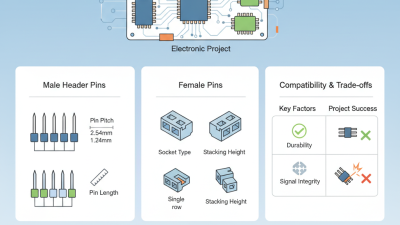
Compatibility is another essential aspect. Ensure that your connectors match the specifications of your circuit boards. Using incompatible connectors can result in power loss or signal degradation. Additionally, consider the connector's size and shape. Compact designs can save space on the board, which is crucial for smaller electronic devices.
Tips: Always check the manufacturer's specifications before purchasing. Look for connectors that have passed rigorous testing standards. If possible, obtain samples for evaluation. This can help identify any potential issues early in the design process.
Another vital feature is the connector's rating. This refers to the current and voltage capacity. Mismatched ratings can lead to failure. A report from Technavio indicates connectors with higher temperature resistance are becoming increasingly popular in the market. Balancing high performance with reliability can sometimes feel challenging. Conducting thorough research can aid in selecting the right connectors.
Leading Manufacturers of Circuit Board Connectors Globally
The global demand for circuit board connectors continues to rise, driven by advancements in electronics. According to industry reports, the market for these connectors is expected to grow by 5% annually through 2026. Leading manufacturers are focusing on innovation and sustainability as they adapt to market changes. High-performance connectors are now essential in industries such as automotive, telecommunications, and consumer electronics.
To choose the right connector, buyers must consider various factors. Material quality and environmental ratings are critical. Contact reliability and durability are also key components. Manufacturers are investing heavily in research and development to meet these needs. They are working on connectors that withstand extreme conditions while maintaining performance.
Tip: When selecting connectors, always review technical specifications carefully. Understanding thermal and electrical properties is vital.
Many manufacturers face challenges, such as supply chain disruptions, which can affect delivery times. This reality prompts a need for ongoing evaluation of sourcing strategies. Awareness of global standards can mitigate potential risks in production.
Tip: Build relationships with multiple suppliers to ensure consistent quality and timely deliveries. This strategy can enhance reliability in your supply chain.
Best Practices for Selecting Circuit Board Connectors
Selecting circuit board connectors requires careful consideration. These components play a critical role in ensuring reliable electrical connections. When choosing connectors, focus on the specific needs of your project. Consider factors like size, current rating, and environmental conditions. The right connector can enhance performance and longevity.
Tips: Always match the connector type to your application. This prevents compatibility issues that could arise later. Pay attention to the connector's shell material. Selecting a durable material can protect against harsh conditions.
Think about future upgrades. You might want to expand or modify your circuit later. Choosing flexible connectors allows for easier adjustments. However, weighing short-term savings against long-term value is crucial. Cheaper connectors may not offer the reliability needed, leading to costly repairs in the future.
Finally, consult with industry experts or trusted resources. Their insights can guide you through the complexities of connector selection. It's essential to prioritize quality, as a poor choice could compromise your entire system's effectiveness.