The Best Ffc Connector Types for Your Needs?
In the rapidly evolving world of electronics, choosing the right FFC connector is crucial. John Smith, a leading expert in the connector industry, once stated, "The choice of an FFC connector can greatly affect the performance and reliability of your device." Diverse applications require different types of FFC connectors, each designed to meet specific needs.
As technology advances, manufacturers are introducing innovative designs for FFC connectors. However, many users struggle to select the optimal type for their requirements. The complexity lies in understanding factors such as size, pitch, and locking mechanisms. Without careful consideration, one might overlook essential aspects, possibly compromising device functionality.
It is essential to analyze various FFC connector options before making a decision. Often, users fixate on one specification and ignore others. Errors in choice can lead to inefficiencies, potentially harming overall project outcomes. Reflecting on these points helps ensure a more informed choice in FFC connectors.
Understanding FFC Connectors and Their Applications
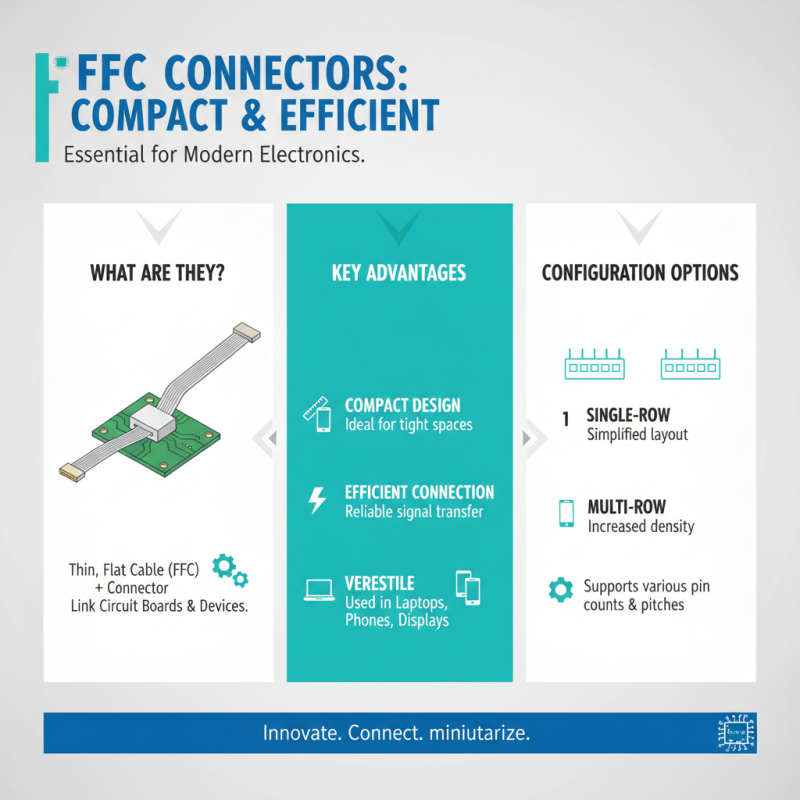
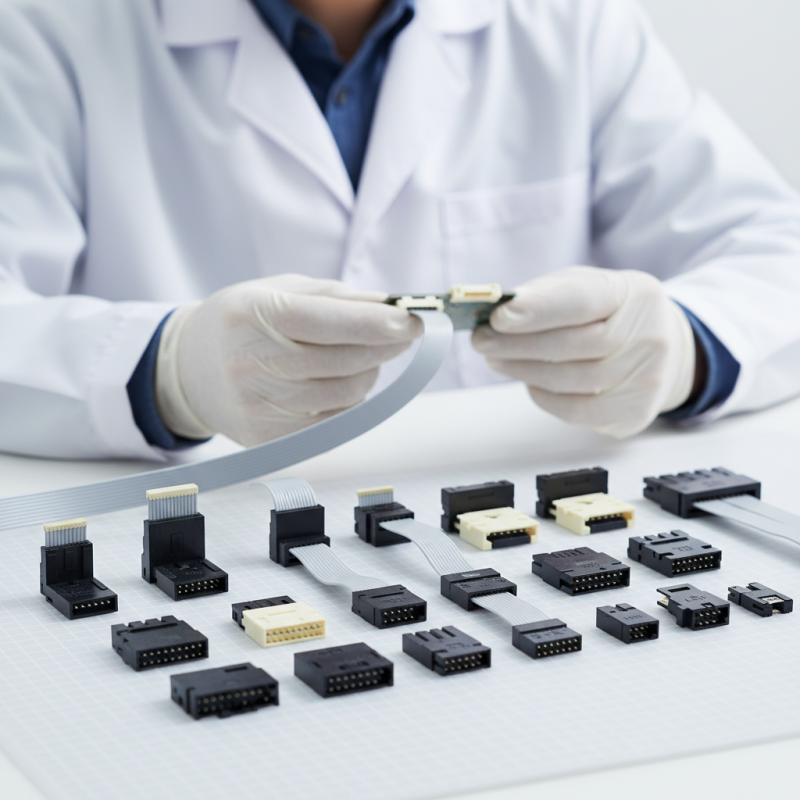
FFC connectors, or Flat Flex Connectors, are essential components in many electronic applications. They offer a compact design that efficiently links circuit boards and other devices. These connectors are popular in spaces where size matters, like laptops and mobile devices. They can support various configurations, including single and multi-row designs.
When selecting FFC connectors, consider the application. The pin count, pitch, and mounting type are crucial factors. Also, different materials and plating affect performance. Some designs are better for flexibility, while others provide strength. It's easy to overlook these details when in a rush to choose.
Tips: Pay attention to the connector’s flex life. A high flex life ensures reliability in portable devices. Always double-check compatibility with your circuit boards. Use the appropriate tools during installation to avoid damaging the connectors. A small misalignment can lead to connection issues later on.
Different Types of FFC Connectors and Their Features
FFC connectors have gained popularity across various industries due to their compact design and flexible features. These connectors are essential in applications such as consumer electronics, automotive systems, and medical devices. According to a report by market research analysts, the global demand for flat flexible connectors is projected to grow significantly. The expected CAGR is around 7.5% from 2023 to 2030.
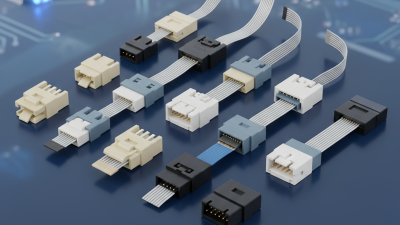
There are several types of FFC connectors available. Among them, the most common are standard FFC, no-lock, and shielded connectors. Standard FFC connectors offer basic functionality and are widely used in simple applications. No-lock connectors provide a secure connection without the need for additional locking mechanisms. This can reduce installation time. Shielded connectors protect against electromagnetic interference, making them ideal for sensitive applications.
Choosing the right connector type is crucial. It’s not just about the technical specifications. Sometimes, businesses overlook the importance of compatibility with existing systems. This can lead to integration challenges. Moreover, incorrect selections may result in device failures. Careful consideration of the application's specific requirements is essential for maximizing performance and reliability.
Criteria for Selecting the Right FFC Connector
Selecting the right FFC connector is crucial for your project. The options can be overwhelming. You must analyze several key factors to find the best fit.
Start with the specific application requirements. Think about the pitch size, which is the distance between pins. Common pitches include 0.5 mm and 1.0 mm. Each size fits different spaces. Next, consider the current and voltage ratings. Connectors must handle the load without overheating.
Material choice also plays a role. Connectors made from different substances may offer varied levels of durability and performance. Some materials withstand high temperatures better than others. Lastly, reflect on the environment where the connector will operate. It should endure dust, moisture, and potential mechanical stress.
Common Industries and Uses for FFC Connectors
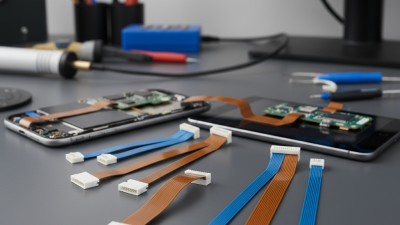
FFC connectors play a crucial role in various industries. They facilitate flexible connections in electronic devices, making them indispensable in modern technology. In consumer electronics, these connectors often link displays with circuits. They ensure a reliable connection while maintaining a slim profile. This is essential for devices like smartphones and laptops, where space is limited.
In automotive applications, FFC connectors enable communication between different systems. They are used in dashboard displays and control panels. The need for durability in harsh environments makes these connectors highly valued. Moreover, in industrial automation, FFC connectors link sensors and control units. This integration helps streamline operations on the factory floor. However, the variety of connector types may confuse some users. It's essential to choose the right one for specific needs, as a wrong choice can lead to malfunction.
Each application may require a different specification. Some industries may overlook the importance of proper connector types. This oversight can result in poor performance and costly repairs. Understanding the unique requirements of your application is vital. The right FFC connector can enhance functionality and reliability in demanding environments.
The Best Ffc Connector Types for Your Needs
| Connector Type |
Pin Count |
Pitch (mm) |
Temperature Range (°C) |
Common Applications |
| FFC Connector A |
10 |
0.5 |
-20 to 85 |
Consumer Electronics |
| FFC Connector B |
20 |
1.0 |
-40 to 105 |
Automotive |
| FFC Connector C |
30 |
0.8 |
-25 to 70 |
Industrial Equipment |
| FFC Connector D |
16 |
1.25 |
-30 to 85 |
Medical Devices |
| FFC Connector E |
8 |
0.3 |
-20 to 85 |
Telecommunications |
Maintenance and Troubleshooting Tips for FFC Connectors
FFC connectors are crucial for various applications. However, maintenance can often be overlooked. Regular inspection is vital. A report from the International Journal of Electronics indicated that nearly 25% of connector failures are due to poor maintenance. This highlights the importance of routine checks.
Start by cleaning connectors periodically. Dust and grime can build up. Use a soft brush or compressed air to remove debris. Pay attention to contact points, as they are sensitive. Additionally, ensure that the connectors are free from moisture. A report from the Connector Industry Consortium found that moisture-related failures accounted for over 15% of all connector issues.
Troubleshooting is necessary when problems arise. Check for signs of wear and tear. Broken pins or cracked housings are red flags. Ensure proper alignment during installation, as misalignment can lead to connection failures. A study from the IEEE revealed that nearly 20% of failures were due to installation errors. By focusing on these aspects, you can enhance the lifespan of your FFC connectors.
The Best FFC Connector Types for Your Needs