2026 Best Insulating Wires for Global Buyers Guide?
In the ever-evolving field of electrical engineering, insulating wires play a crucial role. These wires protect against short circuits and ensure safety in various applications. Selecting the right insulating wires is essential for any global buyer. A good choice can improve performance and reliability.
Different factors influence the selection process, including material, temperature rating, and application specifics. Understanding these dynamics can be challenging. Many buyers face overwhelming choices and unclear specifications. Making decisions requires not just knowledge but also experience. It’s a step where past mistakes can guide future selections.
This guide aims to highlight the best insulating wires available in 2026. Every wire type is designed to meet specific needs. Whether for residential wiring or industrial applications, our focus will emphasize reliable options. Through this, buyers can make informed decisions and avoid common pitfalls. Your insights and reflections on preferred choices may provide valuable context in this journey.
Benefits of Using High-Quality Insulating Wires in Electrical Applications
High-quality insulating wires play a crucial role in various electrical applications. These wires prevent electrical leakage, which enhances safety in residential and commercial settings. When electrical currents pass through wires, proper insulation keeps these currents contained. This is essential for protecting equipment and reducing fire risks that can arise from faulty wiring.
Using superior insulating materials offers numerous advantages. They ensure better durability and resistance to environmental factors like moisture and heat. This is especially important in industrial settings where conditions can be harsh. High-quality insulation can also withstand extreme temperatures without breaking down. However, not all insulating wires are created equal; some may fail under challenging conditions.
It's worth noting that even highly-rated insulating wires can encounter issues. Manufacturers sometimes provide insufficient testing data. This leads to uncertainty in real-world performance. Buyers should remain vigilant and seek wires that have undergone rigorous evaluations. A thorough understanding of insulation properties is vital for making informed decisions. This helps in optimizing electrical systems for both functionality and safety.
2026 Best Insulating Wires - Comparison of Benefits
This chart illustrates the various benefits of high-quality insulating wires used in electrical applications. Each benefit is rated on a scale of 1 to 10, demonstrating the importance of features such as electrical insulation, temperature resistance, and chemical resistance for optimal performance.
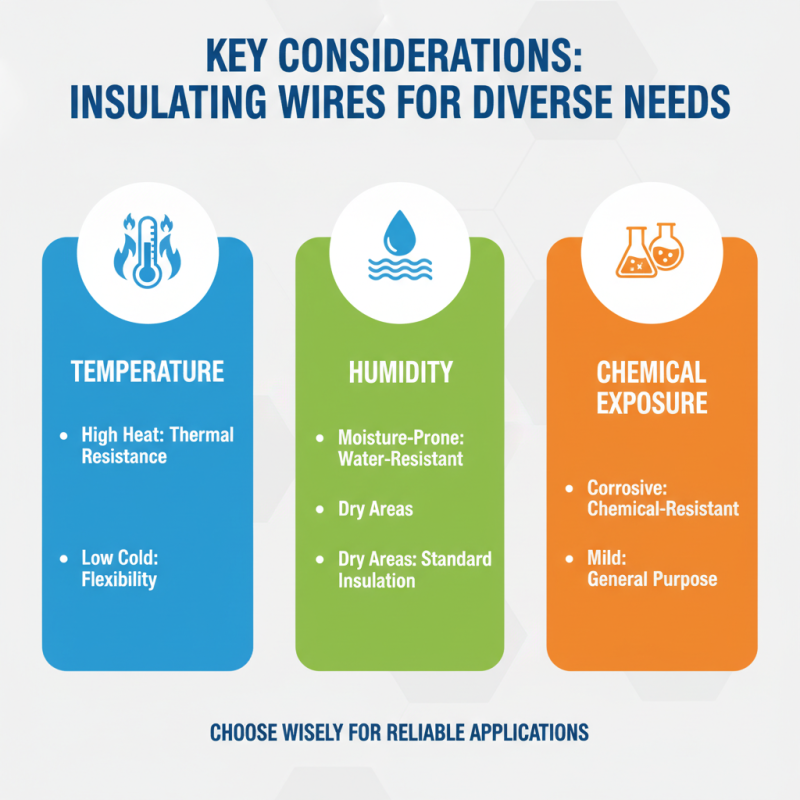
Key Considerations When Choosing Insulating Wires for Diverse Needs
Choosing the right insulating wires is crucial for various applications. Different environments demand different specifications. Temperature, humidity, and chemical exposure all play roles in making an informed choice. For example, high temperatures may require wires with specific thermal resistance. In contrast, moisture-prone areas need wires that resist degradation.
Consider the insulation material. Options like PVC, rubber, and PTFE each have unique qualities. They differ in flexibility, durability, and resistance to chemicals. Each type might serve a different niche, so understanding these characteristics is vital. However, many buyers overlook the long-term implications of their choices. A durable wire saves money over time, but the upfront cost may deter some.
Installation practices should also be evaluated. Proper installation can enhance the wire's performance, improving overall safety. Yet, many overlook this aspect and focus solely on product features. It’s important to heed warnings about improper handling. Mistakes during installation can lead to failures. Thus, careful consideration at every stage is essential for effective use.
Top Materials Used in Manufacturing Insulating Wires and Their Properties
When choosing insulating wires, the material used plays a crucial role. Common materials include PVC, PE, and Teflon. Each has distinct properties. PVC is affordable and flexible but can be less heat resistant. PE offers better insulation at higher temperatures, making it a popular choice in various applications.
Teflon is known for its high thermal resistance and low friction properties. It can withstand extreme temperatures without degrading. Such qualities are essential for wires used in critical environments. However, Teflon can be costlier and may complicate manufacturing processes.
Selecting the right material is challenging. Consider the specific environment where the wires will be used. Sometimes, the cheapest option might not be the best long-term choice. Balancing cost and performance demands careful thought. Each project may require different materials to meet safety and efficiency standards.
2026 Best Insulating Wires for Global Buyers Guide
| Material |
Dielectric Strength (kV/mm) |
Thermal Conductivity (W/mK) |
Operating Temperature (°C) |
Chemical Resistance |
| PVC (Polyvinyl Chloride) |
20 |
0.19 |
-10 to 70 |
Good |
| XLPE (Cross-Linked Polyethylene) |
30 |
0.30 |
-40 to 90 |
Excellent |
| EPR (Ethylene Propylene Rubber) |
25 |
0.20 |
-40 to 90 |
Good |
| FEP (Fluorinated Ethylene Propylene) |
40 |
0.25 |
-200 to 200 |
Excellent |
| Silicone |
20 |
0.15 |
-60 to 200 |
Good |
Global Trends in Insulating Wire Technology and Innovations for 2026
As we approach 2026, the landscape of insulating wire technology is rapidly evolving. Innovations in materials are key. New composites offer enhanced thermal resistance and safety. These advancements address the growing demand for energy-efficient solutions across industries. High-performance polymers, for example, deliver superior insulation while being lightweight. This shift can lead to more streamlined designs in electrical systems.
Sustainability is also a crucial focus. Manufacturers are exploring biodegradable materials to minimize environmental impact. The challenge lies in balancing performance and eco-friendliness. Research shows that some new materials may not yet withstand extreme conditions. There’s a real need for further testing and development. A commitment to reliability remains paramount.
In addition, smart wire technology is gaining traction. Integrating sensors within the wire can provide real-time data on performance. This innovation promises improved security and maintenance efficiencies. However, the complexity of these systems raises concerns about long-term reliability. Exploration of this technology may require more empirical data. As we move forward, ongoing assessment of these trends will be essential for informed decision-making in this dynamic field.
Tips for Selecting Reliable Suppliers of Insulating Wires Worldwide
When selecting suppliers for insulating wires, it’s essential to prioritize experience and expertise. Look for manufacturers with a proven track record in the industry. This often indicates reliability and knowledge of market demands. Assessing their history can provide insights into their quality standards and production capabilities.
Additionally, consider suppliers that prioritize certifications and testing. Certified wires ensure compliance with safety and performance standards. This is crucial for avoiding potential hazards in applications. However, remember that not all certifications hold equal weight. Research is important, as it can reveal the credibility of the certifications claimed by the supplier.
Effective communication with suppliers is vital. Responsive and transparent communication often indicates a reliable partner. Asking questions about product specifications and manufacturing processes can help you gauge their competency. Be wary of suppliers who evade detailed inquiries. Their reluctance could point to underlying issues. Always aim for clarity and confidence in your sourcing decisions.