China Best Terminal Lugs for Global Buyers Guide?
In the dynamic world of electrical connectors, terminal lugs play a pivotal role in ensuring reliable connections. According to recent market studies, the global terminal lugs market is projected to grow at a CAGR of 5.7% from 2022 to 2028. This growth reflects the rising demand for efficient electrical infrastructure across various sectors, including renewable energy and telecommunications.
Choosing the right terminal lugs can significantly impact electrical performance. Quality lugs enhance current efficiency and reduce energy loss. However, not all lugs are created equal. Misleading marketing claims and varying quality standards pose challenges for global buyers. Inadequate knowledge can lead to costly installation issues and safety concerns.
Understanding the different types and materials of terminal lugs is crucial. For instance, copper lugs generally provide better conductivity than aluminum lugs. Yet, buyers often overlook this detail. In a rapidly evolving industry, keeping abreast of technical specifications and industry standards is essential for informed decision-making.
China's Leading Terminal Lug Manufacturers: An Overview
Terminal lugs are essential components for various electrical applications. Understanding China’s leading manufacturers can help global buyers make informed decisions. Companies in China produce a wide range of terminal lugs with different specifications. The country’s advanced manufacturing techniques ensure high-quality products. Many manufacturers have invested in state-of-the-art technology, contributing to their reliability.
When choosing a manufacturer, consider their experience in the industry. A company with a long track record often demonstrates reliability and quality. Check their certifications and compliance with international standards. This guarantees that the products meet stringent safety and performance requirements.
Tips: Always compare multiple suppliers. Investigate their production processes and customer reviews. This can prevent potential issues later. The choice of materials used is also important. Some manufacturers might cut costs, affecting durability. Stay informed about new technology and materials in the sector. This can enhance your purchasing decisions.
China Best Terminal Lugs for Global Buyers Guide
| Manufacturer Location |
Material Type |
Gauge Size |
Color Code |
Packaging Type |
| Guangdong |
Copper |
16 AWG |
Red |
Bulk |
| Shandong |
Aluminum |
10 AWG |
Blue |
Box |
| Jiangsu |
Tin-Plated Copper |
12 AWG |
Yellow |
Bag |
| Zhejiang |
Brass |
14 AWG |
Green |
Carton |
| Henan |
Copper Alloy |
8 AWG |
Black |
Shrink Wrap |
Key Features and Specifications of Terminal Lugs in China
Terminal lugs in China are essential for various electrical applications. They provide secure connections for wires, ensuring reliable performance. These components come in many designs, catering to different voltage and current ratings. High-quality terminal lugs resist corrosion, which enhances longevity and reliability.
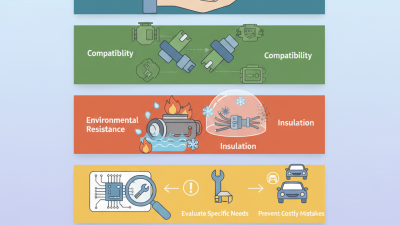
When choosing terminal lugs, it's important to consider their material and compatibility. Most are made from copper or aluminum. This affects conductivity and application suitability. Some designs feature insulation, which offers added safety in high-temperature environments. The thickness of the lug also matters, as it impacts current-carrying capacity.
Buyers should review specifications carefully. Not all terminal lugs fit the same connectors. Mismatched sizes lead to overheating and failure. Understanding these details ensures optimal performance. However, not every manufacturer meets stringent quality control measures. Therefore, thorough research on suppliers is crucial for a sound investment.
Selecting the Right Terminal Lugs: Factors to Consider
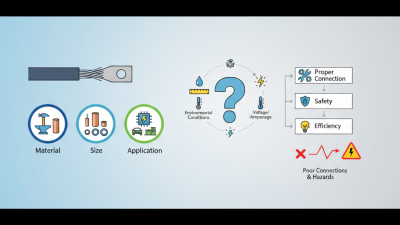
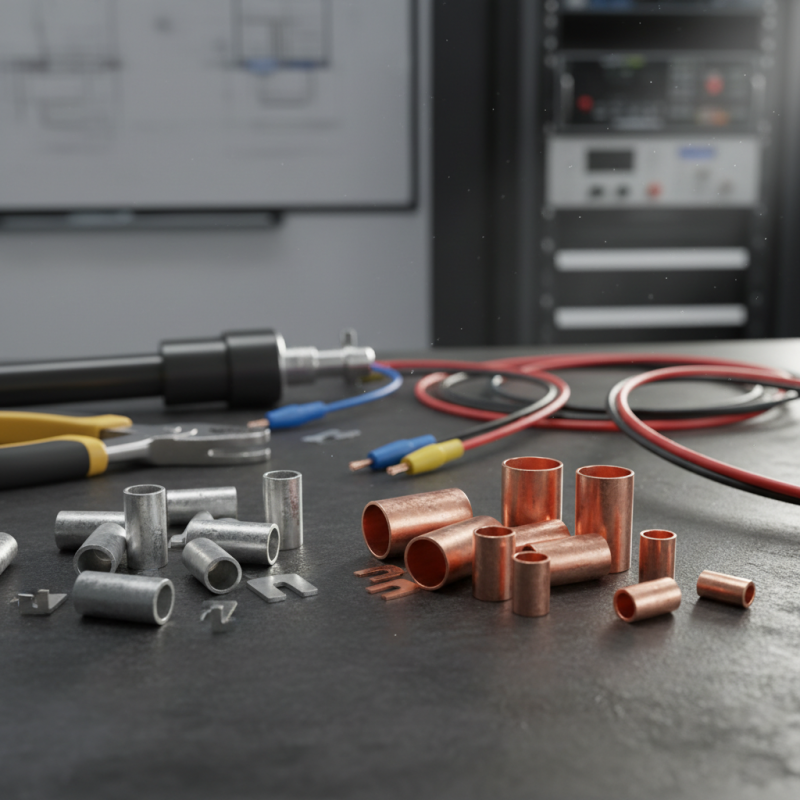
Selecting the right terminal lugs involves several key factors. First, consider material compatibility. Copper and aluminum are common choices. Each material offers unique benefits. Copper lugs provide superior conductivity, while aluminum lugs are lightweight and cost-effective.
Another crucial factor is the lug size. The size must fit both the wire gauge and the terminal. Proper sizing ensures effective connection and minimizes resistance.
According to industry reports, improper sizing can lead to electrical failures and safety hazards, impacting overall system performance.
Lastly, evaluate the
environmental conditions. Terminal lugs must withstand specific temperatures and humidity levels. This ensures durability and reliability. Research indicates that nearly
30% of terminal lug failures result from adverse environmental factors. Therefore, choosing lugs designed for specific conditions can enhance their longevity. Balancing these factors can be challenging, but it's essential for optimal performance.
Quality Standards and Testing for Terminal Lugs in China
Terminal lugs are crucial components in electrical connections. In China, strict quality standards guide their manufacturing. These standards ensure that terminal lugs are durable and reliable. Various testing methods are employed to assess these products. This includes mechanical stress tests and environmental tests. Manufacturers often struggle with consistency in their product quality.
The production process involves numerous steps. Each step requires precision and attention to detail. However, not all manufacturers adhere to the same quality control measures. This inconsistency can lead to products that do not meet the required specifications. Buyers should be aware of these issues. Effective communication with suppliers is vital for ensuring high-quality terminal lugs.
Certification plays a significant role in validating product quality. Many manufacturers seek third-party certifications to enhance credibility. Yet, the different certification bodies use varying standards. This can create confusion for buyers. Conducting thorough research and due diligence is essential. The market is vast, and buyers must remain vigilant. Understanding quality parameters is key to making informed decisions.
Importing Terminal Lugs from China: A Buyer’s Checklist
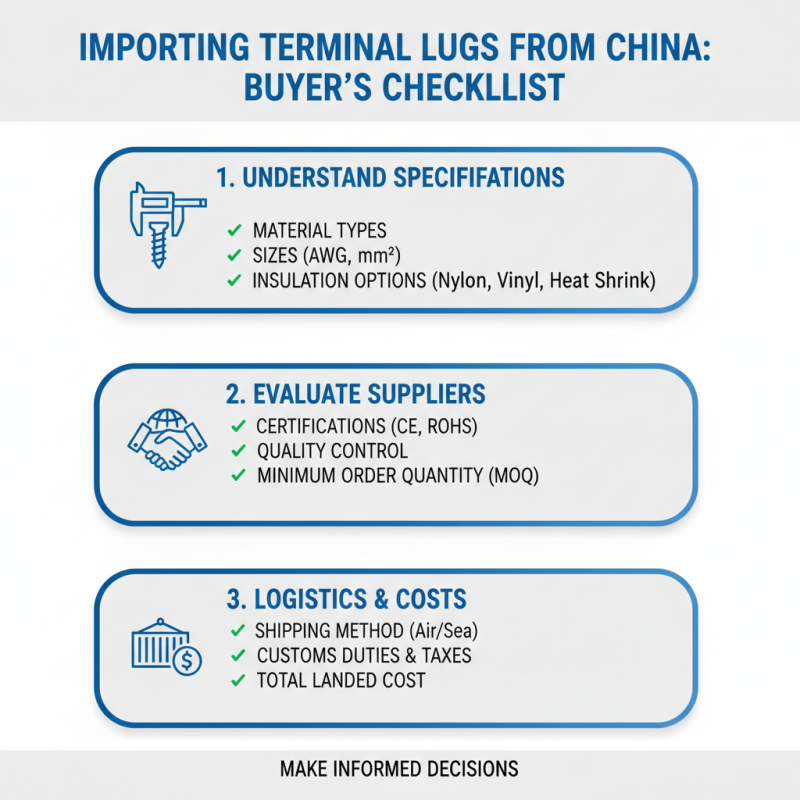
When importing terminal lugs from China, buyers face various challenges. Understanding specifications is crucial. Consider material types, sizes, and insulation options. This knowledge will help you make informed decisions during the procurement process.
Verifying suppliers is another vital aspect. Check for certifications and customer reviews. A reliable supplier should have a solid reputation. Their experience in manufacturing terminal lugs can enhance your purchasing confidence. Still, no process is foolproof. Continuous monitoring of supplier performance is necessary.
Finally, be mindful of shipping and duty costs. Importing can lead to unexpected expenses. It’s wise to run budget simulations before placing orders. Thoughtful planning minimizes risks and enhances the buying experience. Reflecting on these factors can lead to better outcomes.