2026 Best Wire Electrical Connector Types for Your Needs?
In today's electrical world, choosing the right Wire Electrical Connector is crucial. With various options available, it can feel overwhelming. These connectors play a significant role in ensuring efficient and safe connections in electrical projects.
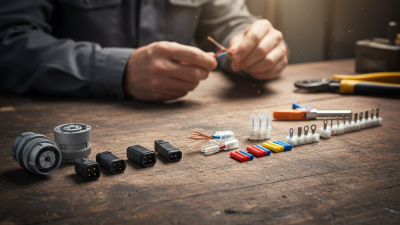
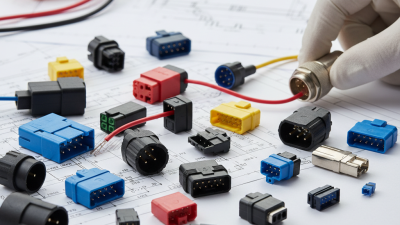
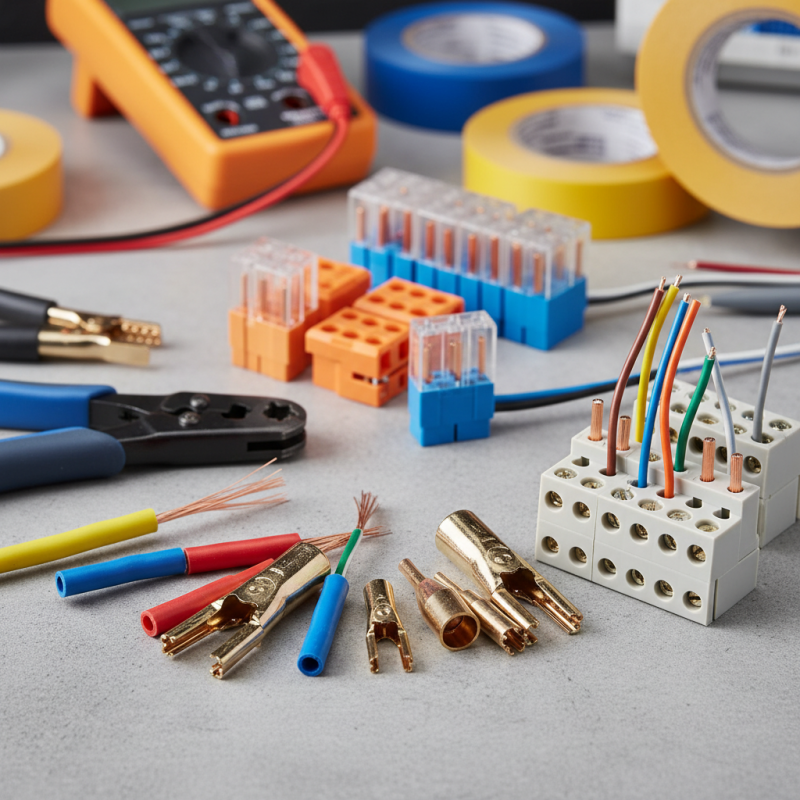
Wire Electrical Connectors come in various shapes and sizes. Options include crimp connectors, screw terminals, and push-in types. Each type has unique advantages, but also some drawbacks. For instance, crimp connectors offer robustness, but can be challenging to install correctly. On the other hand, push-in styles are user-friendly but may not always ensure a secure fit.
As we navigate these choices, it’s essential to consider your specific needs. Not every connector suits every project. It’s a learning process, and reflection on past choices can lead to better decisions. Striking a balance between ease of use and reliability is key. Your electrical success may hinge on selecting the right Wire Electrical Connector.
2026 Overview of Wire Electrical Connector Types and Their Applications
In 2026, the landscape of wire electrical connectors is diverse. Understanding the different types is crucial for various applications. Wire connectors can be broadly classified into categories like twist-on, crimp, and push-in types. Each has unique characteristics tailored for specific uses. For instance, crimp connectors are known for their reliability in automotive wiring, while push-in connectors offer convenience in home projects.
The demand for electrical connectors is projected to grow significantly. According to a recent industry report, the global market for wire connectors is expected to reach $25 billion by 2027. This growth is driven by the increasing adoption of smart technologies and renewable energy solutions. Different sectors often require specific types of connectors, which complicates the selection process.
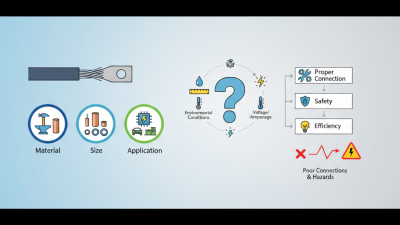
Tips: When choosing a connector, consider the wire gauge, voltage rating, and environmental factors. Ensure the connector aligns with your project's requirements. Misalignment can lead to performance issues. Always review the specifications before purchasing. Researching papers from industry standards can also provide valuable insights.
In some cases, people underestimate the importance of proper wiring. Poor connections can lead to failures, safety issues, or inefficient performance. It’s important to reflect on the implications of these choices. Seeking advice from professionals or consulting reliable sources can help navigate this complexity. Understanding the nuances of wire connectors ensures better outcomes for all projects.
Key Factors to Consider When Choosing Wire Electrical Connectors
When selecting wire electrical connectors, several factors play a crucial role. One key consideration is the type of connection needed. Soldered connections offer excellent conductivity, but they require more skill to install. On the other hand, crimp connectors are widely used because they are easier and faster to work with. According to a recent industry report, crimp connectors show a failure rate of only 1.5% when used properly, making them a reliable choice in many applications.
Another factor is the environmental conditions. Connectors exposed to extreme temperatures or moisture demand higher durability. For example, connectors rated for industrial use typically withstand temperatures ranging from -40°C to 125°C. However, some users overlook these ratings, leading to potential failures. The National Electrical Manufacturers Association suggests that understanding the environment can reduce connector failure rates by up to 20%.
Lastly, the material of the connector matters. Copper connectors are widely favored for their conductivity, but aluminum connectors are lighter and often cheaper. However, they might corrode faster if not properly treated. This trade-off is often a lingering challenge for many users. While material choice can affect long-term reliability, it's essential to address installation quality as well. Frequent installation mistakes can negate the advantages of high-quality connectors, leading to unexpected downtime.
Comparative Analysis of Crimp, Solder, and Screw Connectors
When it comes to wiring projects, choosing the right electrical connector is crucial.
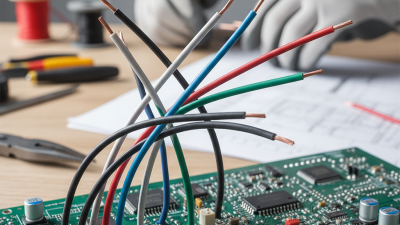
Crimp connectors provide a reliable and easy method for connecting wires.
They involve compressing a metal sleeve around the wire, creating a strong electrical bond. However, achieving a perfect crimp requires practice.
A poorly crimped connection can lead to intermittent issues.
It’s important to use the right tools and techniques for optimal results.
Solder connectors are another popular option.
They create a permanent bond by melting metal solder around the wires. This method is great for ensuring strong conductivity.
Yet, soldering requires a steady hand and can be time-consuming. Mistakes in the soldering process can lead to weak connections.
These flaws can cause ongoing problems in your electrical setup.
Screw connectors, on the other hand, are simple and intuitive.
They offer a flexible solution, allowing for easy adjustments and re-wiring. However, these connections may loosen over time.
Regular checks are needed to ensure tightness.
Each connector type has its advantages and challenges. Selecting the right type depends on the specific requirements of your project.
Industry Standards and Certifications for Wire Electrical Connectors
When selecting wire electrical connectors, understanding industry standards is crucial. These standards ensure safety and reliability. Each type of connector, whether butt splices or terminal blocks, may have specific certifications. They can vary based on material, design, and application. Recognizing these standards helps in choosing the right connector for your project.
For example, connectors often need UL or CE certification. Such certifications indicate that products meet essential safety guidelines. Without proper certification, connectors may fail under stress. This could lead to equipment malfunctions or worse, hazards. It is essential to check that the connectors you use are certified for your specific environment.
Connector types also influence safety standards. Some applications require waterproof connectors, while others need heat-resistant ones. Make sure that you assess environmental factors. Additionally, not all connectors are easy to install. A poorly connected wire can lead to performance issues. This oversight can be costly and time-consuming. Therefore, reflect on your choices and the standards that guide them.
2026 Best Wire Electrical Connector Types for Your Needs
Future Trends in Wire Electrical Connector Technology and Design
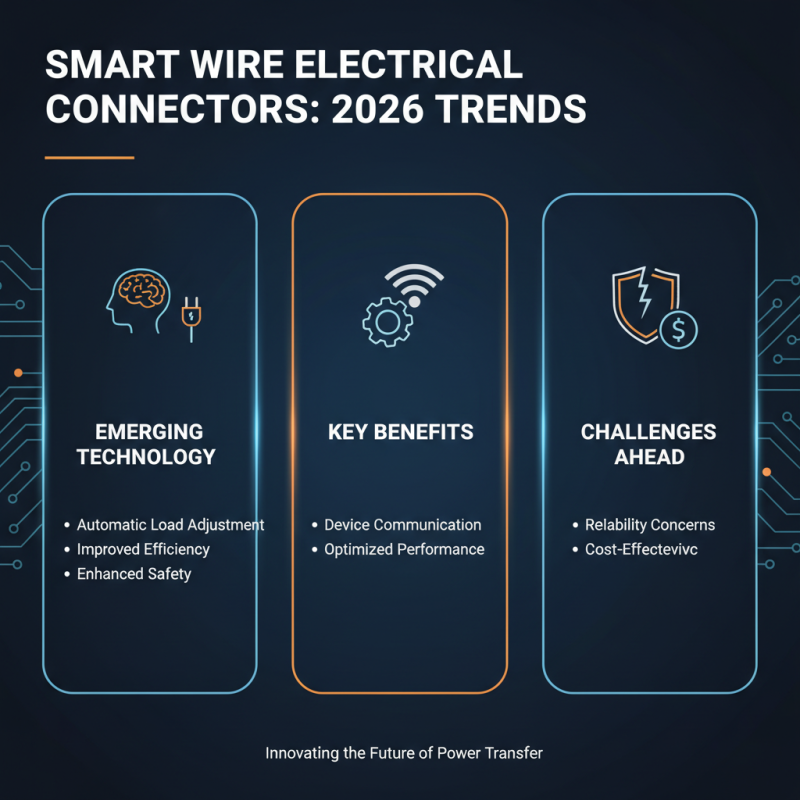
As we look toward 2026, the landscape of wire electrical connectors is poised for significant changes. One emerging trend is the move towards smart connectors. These connectors can automatically adjust to varying electrical loads. They promise better efficiency and safety. Imagine a connector that communicates with devices to optimize performance. However, the technology is still developing. Challenges remain, particularly in reliability and cost-effectiveness.
Another noteworthy trend involves sustainability. Manufacturers are increasingly focusing on eco-friendly materials. Biodegradable plastics and recyclable metals are becoming more common. This shift could reduce the environmental impact of electrical connectors. Yet, not all materials meet performance standards. Innovators face the task of balancing sustainability and functionality.
Additionally, miniaturization is a key focus. Smaller connectors allow for sleeker designs in electronic devices. This trend is vital as devices become more compact and integrated. Nevertheless, smaller connectors may be harder to handle. Users could struggle with installation and maintenance. Therefore, the industry must address usability as it advances.