Why Choose Board Electronics for Your Business Needs?
In today's competitive market, businesses need reliable solutions to stay ahead. Board Electronics plays a crucial role in various industries, from consumer electronics to automotive applications. According to a report by MarketsandMarkets, the global market for PCB (Printed Circuit Board) is projected to reach $83 billion by 2026, highlighting the growing demand for high-quality electronics.
Experts emphasize the importance of choosing the right components. Dr. Emily Martinez, a leading authority in electronic manufacturing, states, "Investing in quality Board Electronics is non-negotiable for long-term success." Her insights reflect the industry's need for reliable and efficient solutions.
The Board Electronics sector offers diverse options tailored to specific business needs. Customization and innovation are pivotal. Companies must carefully assess their choices to avoid pitfalls that could impact their operational efficiency. While Board Electronics can drive growth, neglecting quality could lead to severe consequences, making informed decisions indispensable.
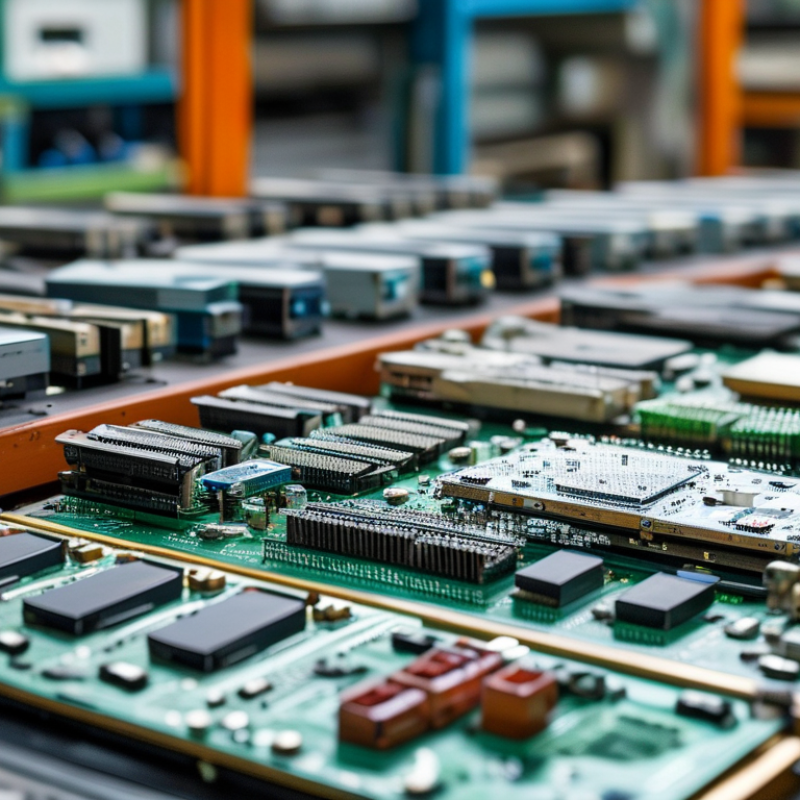
Understanding Board Electronics and Their Importance for Businesses
Board electronics play a pivotal role in modern business operations. They drive the efficiency of various electronic systems, from manufacturing lines to consumer products. The global market for board electronics is expected to reach $60 billion by 2025, highlighting their critical importance. Companies that invest in advanced board electronics often report a 30% reduction in production costs, showcasing how these technologies can lead to increased profitability.
When considering board electronics, businesses should prioritize reliability. Studies indicate that companies with high-quality electronic boards experience fewer failures and interruptions. This reliability leads to improved customer satisfaction and trust in a brand. Additionally, investing in innovative design and materials can result in a 15% increase in product longevity.
Tip: Regularly assess your current electronic components to identify areas for improvement. Outdated technology can hinder productivity and lead to increased costs.
Another critical factor is understanding the scalability of board electronics. As businesses grow, the demand for efficient and adaptable systems rises. The flexibility of modern board electronics allows for easy upgrades. Companies can save time and resources by opting for modular designs.
Tip: Encourage team training on new board technology. Knowledgeable staff can maximize the benefits of these components.
Ignoring the significance of board electronics can lead to missed opportunities. In a competitive market, businesses must evaluate and adapt their technology to stay ahead.
The Key Advantages of Using Board Electronics in Business Operations
The adoption of board electronics has become increasingly critical for businesses aiming to enhance operational efficiency. According to a recent market analysis by Fortune Business Insights, the global market for electronic components is expected to reach $1 trillion by 2026. This growth highlights the importance of investing in modern technologies.
One major advantage of board electronics is improved automation. These components facilitate seamless integration within systems, allowing real-time data processing. This results in quicker decision-making and reduced operational delays. Research from McKinsey indicates that businesses implementing automation can achieve up to 30% increased productivity.
Another benefit is enhanced reliability. Board electronics are designed for rigorous environments. They reduce the risk of failure in critical operations. A recent report from the IPC shows that 70% of companies with high-quality electronics reported lower maintenance costs. This reliability can lead to significant savings over time.
Tip: Regularly assess your electronic components. Stay informed about technological advancements. Regular updates can prevent obsolete tech from hindering growth.
Improvement is always possible. Some businesses may face challenges in transitioning to board electronics. Training staff on new technologies is often overlooked. Investing time in employee education can yield better results.
Why Choose Board Electronics for Your Business Needs? - The Key Advantages of Using Board Electronics in Business Operations
| Advantage |
Description |
Impact on Business |
| Cost Efficiency |
Board electronics often reduce manufacturing and operational costs. |
Improved profit margins and budget allocations. |
| Customization |
Flexible designs that cater directly to specific business needs and applications. |
Enhanced competitiveness and customer satisfaction. |
| Reliability |
High-quality components and rigorous testing ensure dependable performance. |
Reduced downtime and maintenance costs. |
| Innovation |
Access to the latest technology and advancements in electronics. |
Ability to integrate cutting-edge solutions for efficiency. |
| Scalability |
Easily scalable solutions to support business growth and changes. |
Supports expansion without significant investment in new systems. |
How Board Electronics Enhance Efficiency and Productivity in Companies
In today’s competitive landscape, efficiency is vital for any business. Board electronics play a significant role in streamlining operations. These systems provide precision control over various processes. With real-time data processing, teams can make informed decisions quickly. This reduces downtime and increases productivity. Companies often report notable improvements after integrating these solutions.
Moreover, board electronics offer scalability. As businesses grow, their needs change. A flexible electronic board can adapt to different requirements. This adaptability helps maintain a continuous flow of operations. However, integrating new technology isn't always seamless. Companies sometimes face challenges in training their staff. Some employees may resist change or find the interface overwhelming.
Additionally, while these electronics enhance efficiency, reliance on technology may lead to vulnerabilities. If not properly maintained, system failures can disrupt operations. Regular updates and training sessions are essential. These steps ensure the workforce is prepared for new challenges. A proactive approach helps mitigate potential risks in the long run. Emphasizing continuous improvement can lead to better outcomes for companies utilizing board electronics.
Evaluating Cost-Effectiveness of Board Electronics for Business Solutions
When evaluating cost-effectiveness, board electronics stand out for several reasons. They often provide robust solutions that enhance operational efficiency. Businesses tend to notice significant savings in both time and resources. This efficiency can lead to improved productivity, which is essential in today’s competitive market.
Tips: Consider the specific needs of your business. Assess whether customization of board electronics can lead to better alignment with your goals.
Board electronics can initially appear costly. However, their longevity and durability may outweigh the initial investment. A reliable board can reduce maintenance costs significantly. This aspect is crucial when planning budgets for long-term projects.
Tips: Always weigh the upfront costs against possible future savings. Look for case studies that show similar businesses’ experiences with board electronics. Consider seeking expert advice to ensure informed decisions.
Future Trends in Board Electronics and Their Impact on Business Strategies
The landscape of board electronics is rapidly evolving. Businesses must adapt to these changes. Emerging trends point towards increased miniaturization and enhanced connectivity. This evolution means that companies need to reevaluate their strategies. The shift towards IoT devices is a prime example. Incorporating smart technology can lead to innovation and efficiency.
Moreover, sustainability is becoming a key focus. Consumers are increasingly environmentally conscious. Companies that adopt green practices in their board electronics will likely gain a competitive edge. Innovations in recyclable materials and energy-efficient manufacturing processes are essential. Yet, not every business is prepared to implement these changes effectively. It requires a thoughtful approach and a willingness to learn.
As board electronics continue to advance, collaboration is crucial. Partnerships between manufacturers and tech firms can drive progress. Businesses might struggle with this integration. However, those that invest in research and development will find greater success. The future of board electronics holds immense potential, but it requires careful navigation.
Future Trends in Board Electronics and Their Impact on Business Strategies