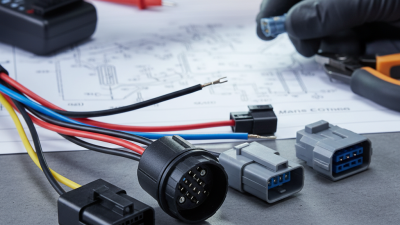
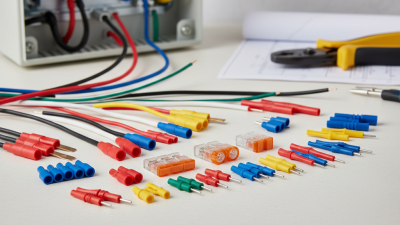
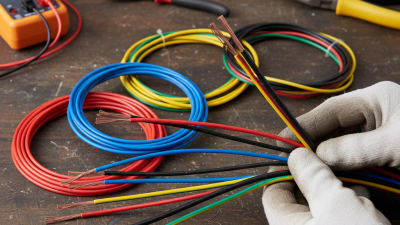
Why Choose Auto Connectors for Your Next Project?
In today's fast-paced world, the demand for reliable and efficient connections in automotive applications is at an all-time high. According to a recent report by Grand View Research, the global auto connectors market is projected to reach $34.95 billion by 2030. This growth reflects the increasing complexity of vehicle electronics and the need for robust connectivity solutions. Experts in the field, like Dr. Alex Johnson, an esteemed researcher at the Automotive Connectors Institute, highlight the significance of choosing the right connectors. He emphasizes, "Auto Connectors are vital for enhancing vehicle safety and performance."
The evolution of automotive technology demands components that can withstand harsh environments while ensuring seamless communication between various systems. Auto connectors play a crucial role in this ecosystem, enabling devices to function optimally in everything from infotainment to safety systems. However, selecting the most appropriate connectors can be challenging. Not all connectors are created equal, and understanding the unique requirements of each project is essential.
Despite technological advancements, some projects experience failures due to poor connector choices. A study by the Institute of Electrical and Electronics Engineers (IEEE) reported that nearly 20% of automotive failures originate from inadequate connector designs. This statistic urges project managers to reflect on their choices and consider the long-term implications of their connectors. In a market driven by innovation, making informed decisions on auto connectors can significantly impact project outcomes.
Understanding Auto Connectors and Their Functions
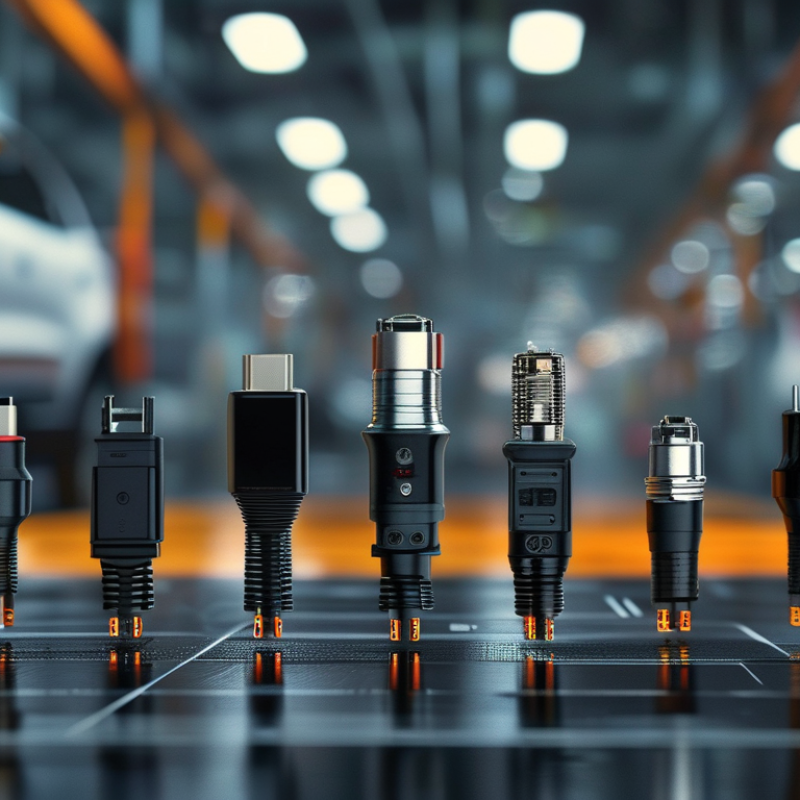
Auto connectors play a crucial role in the automotive industry. They enable seamless communication between various electronic components in vehicles. These connectors are designed to withstand harsh environments, including extreme temperatures, moisture, and vibrations. Choosing the right auto connector enhances reliability and performance in automotive applications.
Understanding the functions of auto connectors is essential for any project. They come in various shapes and sizes, each tailored for specific tasks. For instance, some are designed for power distribution, while others handle data transmission. It is important to match the connector type with the electrical requirements of your system. A mismatch can lead to performance issues or failures.
Quality matters when selecting auto connectors. Some connectors may seem appealing due to their low cost, but they can compromise safety and durability. Opting for connectors with proven reliability can prevent costly repairs in the future. It's crucial to think about long-term implications when making your choices.
Key Benefits of Using Auto Connectors in Modern Projects
When considering auto connectors for your next project, it’s important to recognize their key benefits. One significant advantage is their ability to handle high current loads with minimal heat buildup. This ensures long-term reliability in demanding applications, reducing the risks of failures and downtime. Furthermore, their robust design withstands harsh environments, making them suitable for automotive and industrial settings.
Auto connectors also simplify assembly processes. They often feature user-friendly designs that enable quick and secure connections. This can lead to reduced labor costs and improved efficiency. However, it's essential to choose the right type for your specific needs. A poorly matched connector can lead to complications later in the project.
Another benefit is their versatility. They can be found in various applications, from automotive wiring to electronic devices. Yet, not every connector suits every project. Evaluating the specific requirements of your design is crucial. Sometimes, the choice can feel overwhelming, leading to potential mistakes. Taking the time to research and test different options can make a significant difference in the overall success of the project.
Types of Auto Connectors and Their Applications
Auto connectors are crucial components in various applications, especially in the automotive sector. They facilitate seamless electrical connections, ensuring vehicle reliability. With the electric vehicle market expected to grow at a CAGR of 22% from 2023 to 2030, the demand for auto connectors is on the rise. Different types of auto connectors serve unique purposes.
One common type is the circular connector, widely used in harsh environments. They offer strong resistance to vibrations and environmental factors. Data from industry reports indicate that circular connectors hold around 30% of the market share. Another essential type is the rectangular connector, often used in automotive interiors for their compact design. These connectors typically handle larger current loads and contribute to efficient electrical performance.
Auto connectors also enhance safety features in vehicles. For instance, they are integral to airbag deployment systems and electronic stability controls. However, despite their benefits, the quality of connectors can vary. Poor connections lead to malfunctions. Therefore, rigorous testing and quality assurance are necessary. Investing in high-quality auto connectors can significantly improve vehicle performance and safety.
Types of Auto Connectors and Their Applications
Factors to Consider When Selecting Auto Connectors
When selecting auto connectors for your project, several factors warrant serious consideration. The automotive sector increasingly relies on high-quality connectors. A report from Research and Markets projects that the global automotive connector market will grow to $30.7 billion by 2026, highlighting the escalating demand.
Material selection is foundational. Connectors made from high-strength materials enhance durability and resistance to harsh conditions. Automakers focus on weight reduction. Therefore, lightweight materials lead to improved fuel efficiency. It’s important to consider the operating temperature range. Many connectors will need to function under extreme temperatures, from hot engine compartments to freezing climates.
Moreover, the number of circuits and the overall design affect functionality. Multi-pin connectors allow for compact designs but can introduce complexity. Data from the Society of Automotive Engineers indicates that 70% of electrical failures in vehicles trace back to poor connector choices. This statistic underscores the importance of rigorous testing and validation of your chosen connectors to prevent future failures. Reflecting on these factors can ensure that the connectors enhance the overall performance and reliability of the vehicle.
Installation and Maintenance Tips for Auto Connectors
When considering installation and maintenance for auto connectors, it's crucial to focus on proper techniques. The right procedures can significantly enhance the reliability of your project. According to a report by the International Electrotechnical Commission, improper installation can lead to a 30% increase in failure rates. That’s a notable risk in any automotive application.
To ensure optimal performance, use the correct tools during installation. This includes torque wrenches, as over-tightening can damage connections. Many professionals recommend test-fitting connectors before final installation. This can save time and prevent future issues. Always consult the specifications for each connector type. Familiarity with the technical data sheets can provide insights into necessary torque limits and environmental ratings.
Regular maintenance is just as important. Inspect connectors for corrosion and wear. A study from the Automotive Research Institute found that routine checks reduce long-term costs by up to 25%. It's also essential to ensure that connectors are seated properly. Misalignment can not only cause malfunctions but may also lead to costly delays. Balancing reliability and performance through proactive measures should be a priority in any automotive project.
Why Choose Auto Connectors for Your Next Project? - Installation and Maintenance Tips for Auto Connectors
| Feature |
Description |
Benefits |
Maintenance Tips |
| Durability |
Built to withstand harsh environments and extensive use. |
Longer lifespan and reduced replacement costs. |
Regularly inspect for wear and damage. |
| Ease of Installation |
Designed for quick and straightforward installation. |
Saves time and labor costs during assembly. |
Follow manufacturer guidelines for proper installation. |
| Versatility |
Compatible with a variety of automotive applications. |
Flexible solutions for different projects. |
Keep an inventory of various types for adaptability. |
| Connection Reliability |
Ensures stable connections in demanding conditions. |
Minimizes electrical failures and downtime. |
Periodically check connections for corrosion. |
| Cost-Effectiveness |
Affordable solutions without compromising quality. |
Maximizes value for project budgets. |
Evaluate total cost of ownership instead of upfront pricing. |