How to Choose the Best Circuit Board Connectors for Your Projects?
Choosing the right Circuit Board Connectors is crucial for project success. Experts emphasize the impact these components have on performance. John Smith, a renowned engineer in the electronics field, once stated, "The reliability of your circuit hinges on the connectors you choose."
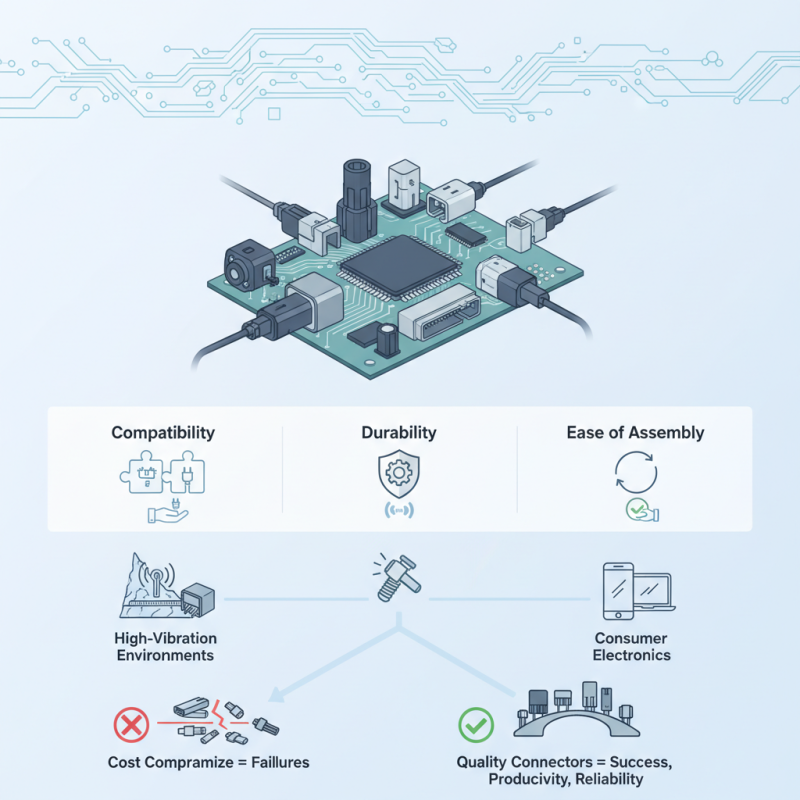
When selecting Circuit Board Connectors, consider compatibility, durability, and ease of assembly. Different applications demand specific connector types. For example, high-vibration environments need tougher connectors. On the other hand, connectors for consumer electronics may prioritize lightweight designs.
It's easy to overlook details during the selection process. However, a small oversight can lead to project failures. Evaluating performance under various conditions is vital. Many projects compromise on quality for cost, which can be a mistake. Remember, the right Circuit Board Connectors can enhance productivity and reliability significantly.
Understanding the Different Types of Circuit Board Connectors
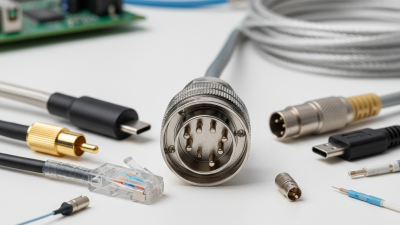
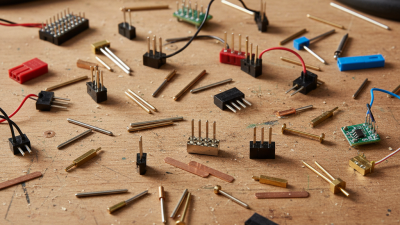
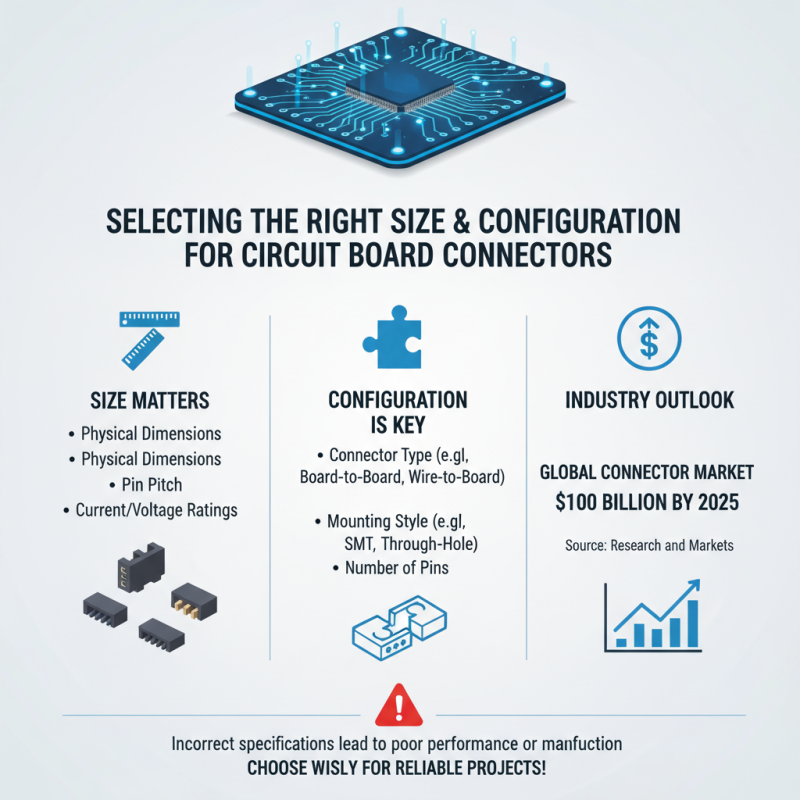
When selecting circuit board connectors, understanding the different types is crucial. Connectors vary widely in function and design. For example, through-hole connectors are known for their durability. They resist vibrations well and are commonly used in industrial applications. On the other hand, surface mount connectors are favored for their compact size. They allow for more efficient use of board space, making them ideal for consumer electronics.
According to the latest industry reports, the global circuit board connector market is anticipated to grow significantly. The increase is driven by the demand for high-performance electronics. Research indicates that the market will expand at a compound annual growth rate (CAGR) of 5.8% through 2027. An understanding of the types and specifications of connectors can prevent costly design errors. Using inappropriate connectors can lead to performance issues, such as data loss or hardware failure.
Connectors also differ in their environmental ratings. Some are designed for high-temperature operations, while others are best for moisture-sensitive environments. Choosing the right connector isn't always straightforward. Often, the specifications can be overwhelming. It’s essential to balance factors like cost, space, and performance in decision-making. Each project may require a unique combination of connectors to function optimally.
Evaluating Electrical and Mechanical Specifications for Your Project
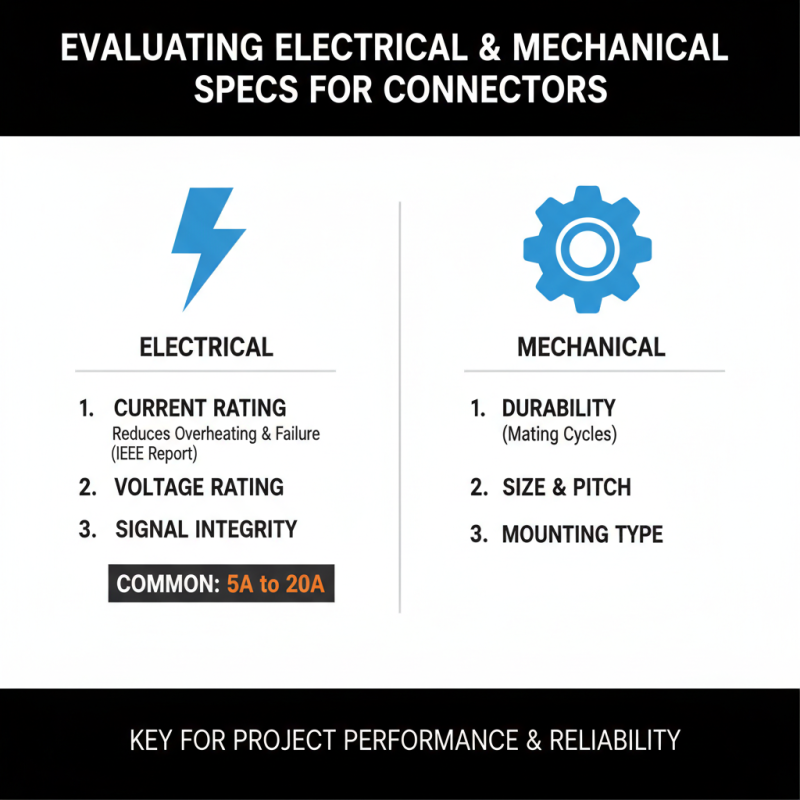
When selecting circuit board connectors, it's essential to evaluate both electrical and mechanical specifications. These specifications directly impact the performance and reliability of your projects. For instance, the current rating is crucial. According to a report by the Institute of Electrical and Electronics Engineers (IEEE), connectors with a higher current rating can significantly reduce issues related to overheating and failure. Choosing connectors rated for 5A to 20A is common in many applications.
Mechanical specifications also play a vital role. The connector's mating cycles are critical for mechanical longevity. Many designs support 50 to 500 mating cycles. A study by IPC reveals that connectors with lower mating cycle ratings may lead to frequent replacements. Consider the operating temperature range as well. A wide range can ensure functionality in diverse environments, which is valuable in projects prone to temperature fluctuations.
Understanding these specifications requires a careful assessment of the project demands. Sometimes, engineers overlook the importance of the connector's footprint. If the space is limited, selecting a compact connector is vital. However, this can lead to challenges if the connector cannot handle the electrical demands. Balancing these factors is not always straightforward, and revisiting initial choices might be necessary as project requirements evolve.
Assessing Environmental Factors and Durability Requirements
When selecting circuit board connectors, environmental factors play a critical role. Factors like humidity, temperature, and exposure to chemicals can drastically affect connector performance. If the connectors are used outdoors, they must withstand UV radiation and extreme temperatures. In contrast, indoor applications might be less demanding but still require reliability.
Tips: Always evaluate the specific conditions where the connectors will operate. Consider testing durability under varying environmental scenarios. This can provide insights into how they might perform in real-life applications.
Durability is another essential aspect. Connectors should be resistant to wear, corrosion, and mechanical stress. If connectors frequently connect and disconnect, consider those with robust locking mechanisms. Some designs may not hold up in high-vibration environments, leading to failures.
Tips: Review past project data to determine failure trends. Prioritize connectors that have been tested in conditions similar to your project's environment. Remember, not all connectors are created equal; ask for performance metrics if needed.
How to Choose the Best Circuit Board Connectors for Your Projects? - Assessing Environmental Factors and Durability Requirements
| Connector Type |
Material |
Temperature Range (°C) |
IP Rating |
Insertion Cycle Life |
| Header Connector |
Plastic and Metal |
-40 to 85 |
IP67 |
5000 cycles |
| Solder Connector |
Copper Alloy |
-55 to 125 |
IP20 |
2000 cycles |
| RJ45 Connector |
Plastic |
-20 to 75 |
IP40 |
750 cycles |
| USB Connector |
Plastic and Metal |
0 to 70 |
IP30 |
1500 cycles |
| Mini-Fit Connector |
Polyamide |
-40 to 105 |
IP67 |
1000 cycles |
Comparing Cost, Availability, and Supplier Reliability for Connectors
Choosing the right circuit board connectors can be challenging. It’s crucial to consider cost, availability, and supplier reliability. According to a recent industry report by Smithers Pira, connector costs can vary significantly, impacting overall project budgets. Prices for connectors may range from a few cents to several dollars, depending on type and specifications.
Availability plays a critical role in your decision-making process. Some connectors may have long lead times, threatening project deadlines. A report by IHS Markit indicates that global demand for electronic connectors is expected to grow by 5% annually. This trend emphasizes the need for a reliable supplier network.
Tip: Always assess your supplier's history. Look for reviews and testimonials. Request samples where possible to evaluate quality firsthand.
Reliability of suppliers can affect project success. Develop relationships with trustworthy manufacturers, as this can ensure a steady supply chain. Also, explore sourcing options. If local suppliers are unreliable, consider international options to diversify your sources.
Tip: Maintain flexibility in your component choices. Some projects can pivot to alternative designs if certain connectors are unavailable. This adaptability can save time and resources in the long run.
Comparison of Circuit Board Connectors: Cost, Availability, and Reliability