How to Choose the Right Auto Electrical Connectors for Your Needs?
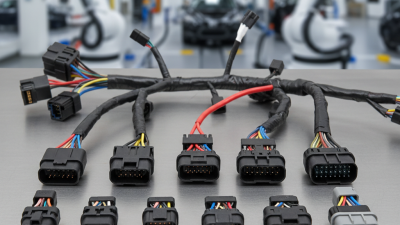
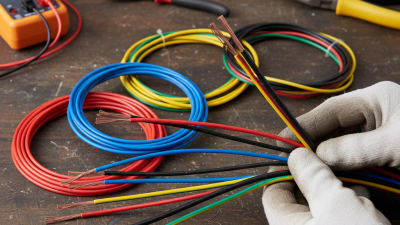
When selecting the right auto electrical connectors, it is essential to consider various factors. Auto electrical connectors play a critical role in ensuring efficient and reliable electrical connections in vehicles. These components can significantly affect vehicle performance and safety. Understanding their types, materials, and applications is vital.
Many people underestimate the importance of choosing the right connectors. Inexperienced choices can lead to frequent failures. That can create serious issues in the long term. Proper connectors help maintain durability and reduce maintenance costs. It’s important to rely on trustworthy sources when making this decision.
Researching your options is a step often overlooked. Seek out expert advice and quality specifications. Pay attention to factors like weather resistance, size, and compatibility. A seemingly minor decision can cause major problems down the road. Always evaluate your specific needs carefully before making a choice. The right auto electrical connectors may not be the most glamorous topic, but their impact on your vehicle is undeniable.
Understanding the Types of Auto Electrical Connectors Available
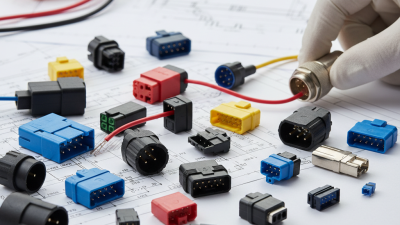
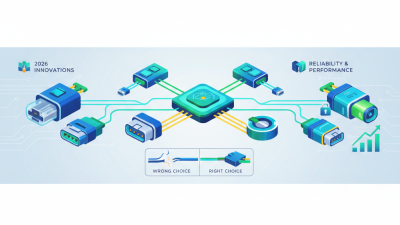
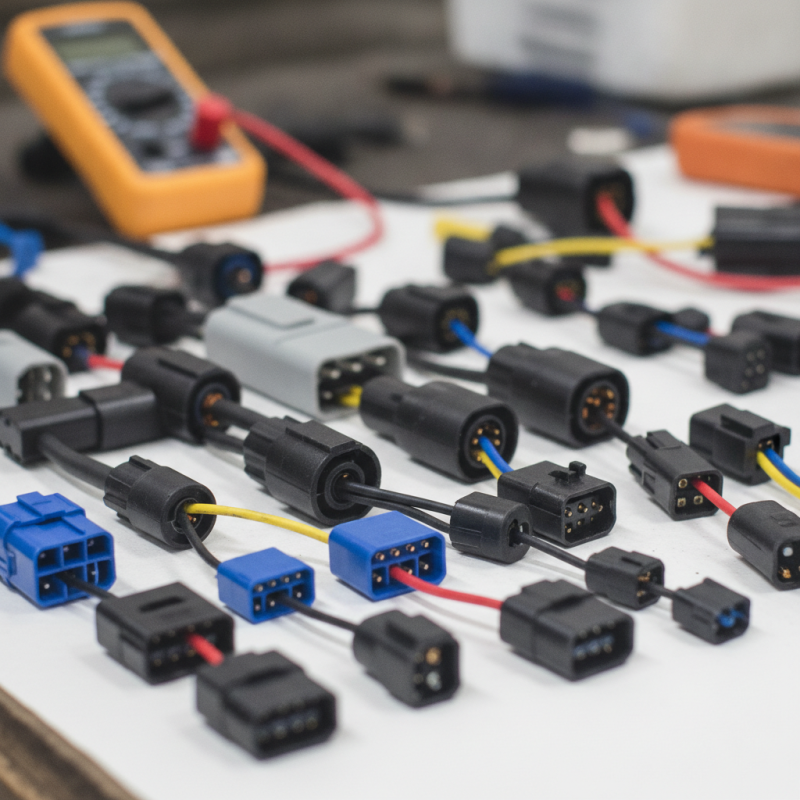
When selecting auto electrical connectors, it is essential to understand the different types available. Each category serves distinct functions and is designed for specific applications. The common types include blade connectors, ring connectors, and bullet connectors. According to a recent industry report by MarketsandMarkets, the automotive connector market is projected to reach $30 billion by 2026, highlighting the significance of choosing the right ones.
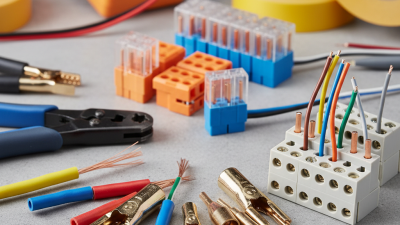
Blade connectors are prevalent due to their simplicity and effectiveness. They facilitate quick connections and disconnections. However, if not installed correctly, they can lead to poor connectivity issues. Ring connectors, on the other hand, provide a more secure connection, especially for ground points. They ensure reliable power transfer but may require more effort to install. Bullet connectors, known for their reduced space requirements, can be tricky. Improper usage can result in weak connections and frequent failures.
In analyzing these options, it’s crucial to keep compatibility in mind. Not all connectors are interchangeable, and using an incorrect type may lead to circuit failures. The failure rate of improperly matched connectors can be as high as 30%, as reported by the Society of Automotive Engineers. Therefore, understanding the applications and attributes of each type is vital for ensuring vehicle reliability and safety.
Evaluating Compatibility with Your Vehicle's Electrical System
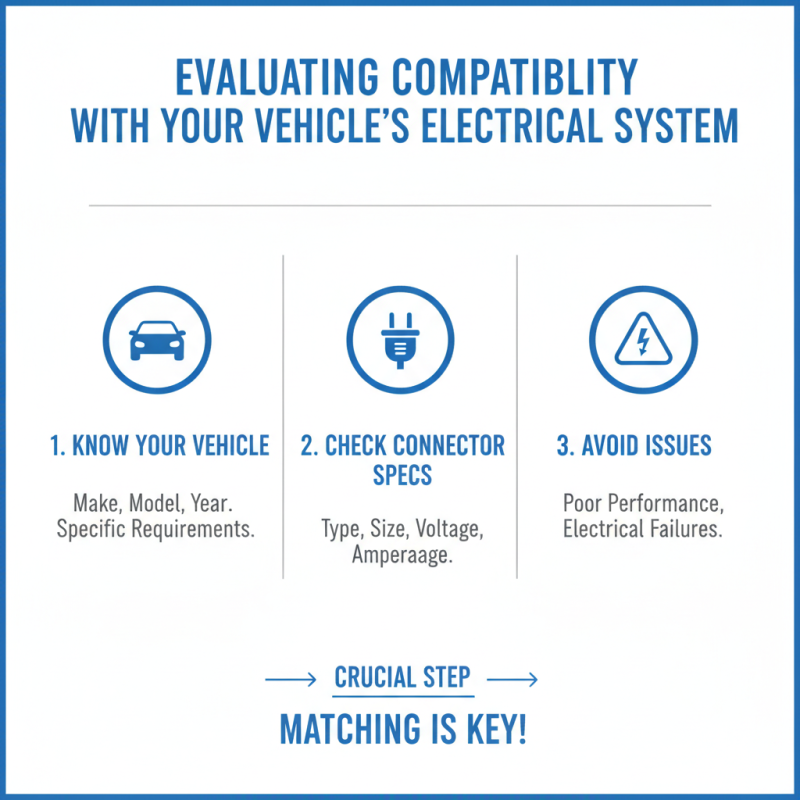
When selecting auto electrical connectors, compatibility with your vehicle's electrical system is crucial. Every vehicle has specific requirements based on its make and model. Mismatched connectors can lead to poor performance and even electrical failures. It’s vital to verify the specifications of both your vehicle and the connectors you consider.
Start by examining your vehicle's wiring diagram. This helps you understand the types of connectors used. Pay attention to the gauge of the wire and the connector's capacity. A connector that cannot handle the power load may risk overheating. Furthermore, connectors should fit snugly to prevent any looseness, which could cause intermittent connections.
Not all connectors are created equal. Some may be rated for higher temperatures, while others offer better moisture resistance. If uncertain, consulting a professional can provide valuable insight. They can help identify connectors that perform best for your specific electrical system. Remember, relying solely on generic specifications may not yield satisfactory results. Adjustments may be necessary, putting into question the initial assumptions. Reflecting on your choices can save time and money in the long run.
Determining the Current and Voltage Requirements
When selecting auto electrical connectors, it's crucial to understand the current and voltage requirements of your specific application. According to the International Electrotechnical Commission (IEC), connectors must match the voltage rating to ensure safety and functionality. A connector rated at 12 volts may fail when used in high-voltage systems. This mismatch can lead to overheating and even system failures.
Well-designed electrical connectors should handle the expected current flow without degradation. The American National Standards Institute (ANSI) recommends that connectors should operate at no more than 80% of their rated capacity. For example, if a connector is rated for 20 amps, it’s best to keep the current below 16 amps. This practice increases reliability, especially in automotive uses where vibrations and temperature variations are common.
Consider environmental factors as well. Connectors used in harsh conditions require specific materials and designs. Moisture resistance, temperature tolerance, and vibration stability are essential. If these aspects are overlooked, performance can decline quickly. Research indicates that poor-quality connectors are a frequent cause of electrical failures in vehicles, impacting overall system integrity. Always assess both the electrical requirements and environmental factors to make informed choices.
Current and Voltage Requirements for Auto Electrical Connectors
This bar chart illustrates the current and voltage requirements for different types of auto electrical connectors. It provides a clear visual representation of how various connectors are rated to handle electrical parameters important for automotive applications.
Assessing Environmental Factors and Protection Ratings
When selecting auto electrical connectors, environmental factors play a crucial role. Different settings expose connectors to moisture, dirt, and chemicals. For instance, connectors used in marine settings face increased saltwater exposure. This can lead to corrosion and failure if not properly selected.
Protection ratings are vital in this context. They indicate a connector's ability to resist environmental challenges. Look for connectors with appropriate IP ratings for your needs. An IP67 rating can resist dust and submersion in water, making it suitable for various outdoor applications. However, it's essential to ensure that these ratings aren't just numbers. Real-world testing and applications can reveal performance gaps.
Consider your specific environment. An automotive connector may not suit industrial settings. Factors like temperature fluctuations and mechanical stress impact connector longevity. It’s essential to reflect on your application regularly. Reflecting on past failures can guide future selections. Choosing connectors isn’t a one-size-fits-all process; every environment demands careful consideration.
Selecting Quality and Reliable Connector Brands and Products
Choosing quality and reliable auto electrical connectors is crucial for any automotive project. The right connectors ensure safety and enhance performance. Look for manufacturers with a solid track record. Research is essential; consider customer reviews and industry ratings. Quality materials should be a priority. Connectors made from copper or gold-plated materials offer better conductivity.
When evaluating brands, ask questions about their testing processes. Reliable manufacturers invest in quality assurance. Certifications can provide insight into a company’s credibility. However, not all products meet standards. It's important to be cautious and avoid shortcuts. A lower price may indicate lower quality.
Don't underestimate the importance of proper sizing and compatibility. Mismatched connectors can lead to failures. Keep in mind that connector technology evolves. Stay informed about new innovations and adjust choices accordingly. Even experienced professionals sometimes overlook these details, leading to avoidable issues. Choose wisely to ensure the longevity of your electrical systems.