How to Choose the Right Cable Wire Connectors for Your Project?
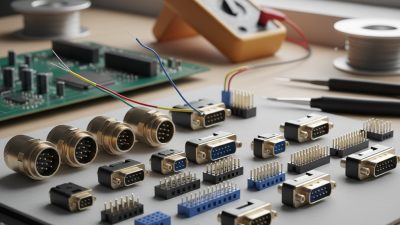
When embarking on any electrical project, selecting the right Cable Wire Connectors is crucial. As John Matthews, a veteran in the electrical engineering field, wisely stated, "The quality and type of connectors can make or break your project." These connectors play an essential role in ensuring safety and functionality.
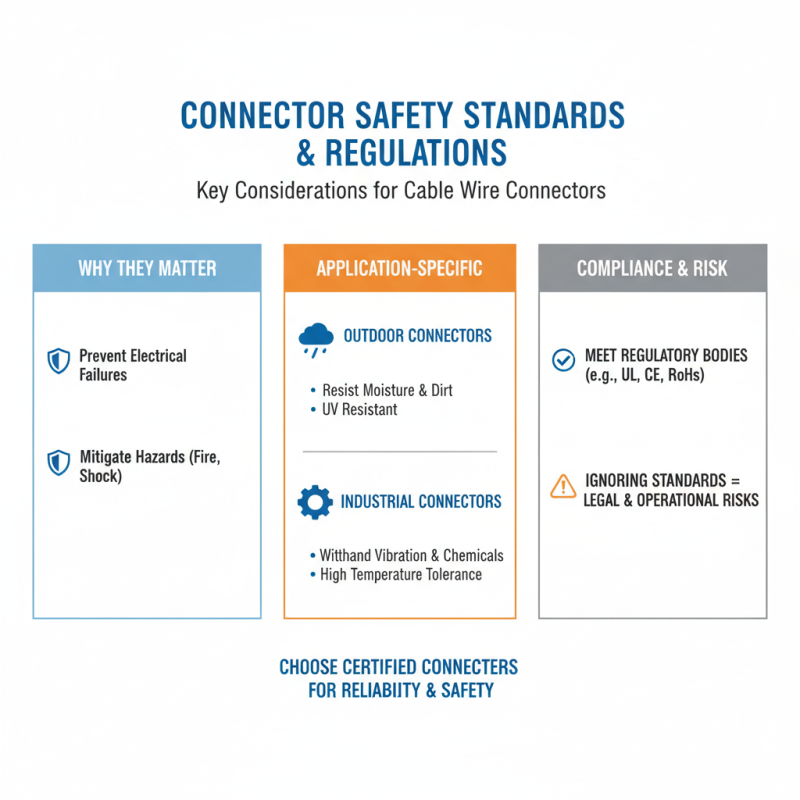
Choosing the correct connectors involves careful consideration of several factors. Different projects require specific types, from simple splices to complex multi-connections. You must understand the gauge, the material, and the environment where the connectors will be used. Many overlook the impact of environmental factors on connector performance. Adverse conditions can lead to premature failure.
Moreover, the vast array of options can be overwhelming. Some choices may seem cost-effective but could compromise long-term reliability. It's important to balance quality with your project needs. As you navigate the selection process, reflect on the critical role that each decision plays in the overall success of your project involving Cable Wire Connectors.
Understanding Different Types of Cable Wire Connectors Available
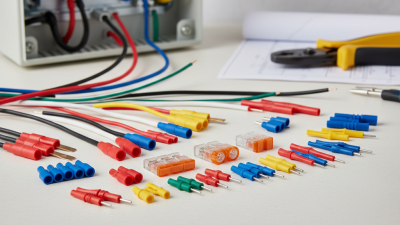
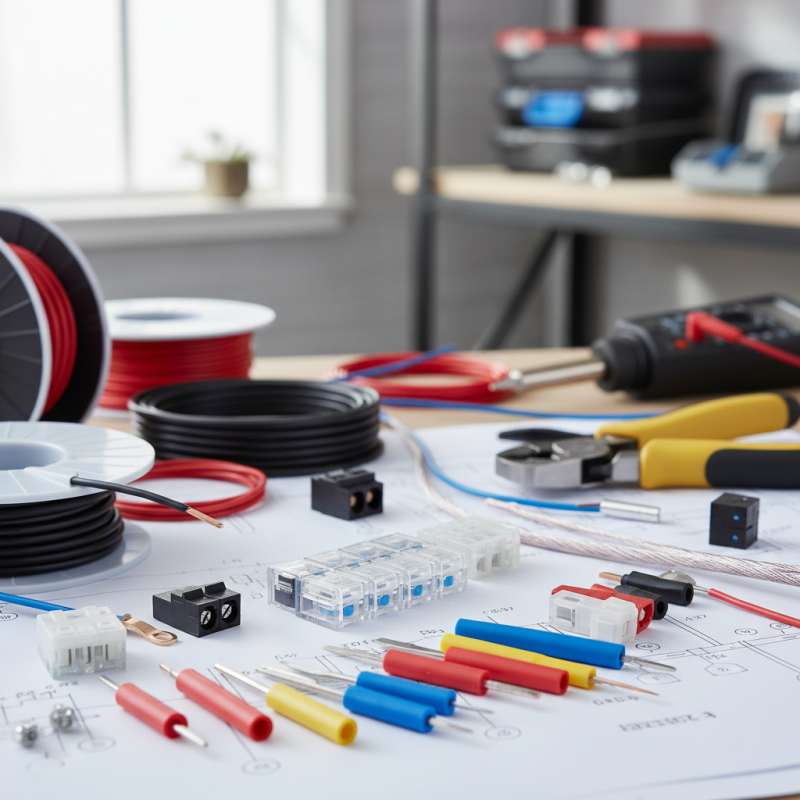
When selecting cable wire connectors, knowing the different types available is crucial. One common type is the crimp connector.
These connectors require a special tool to secure the wire. They offer a strong, reliable connection. However, improper crimping can lead to connectivity issues. It's important to practice before using them on your actual project.
Another type is the solder connector. This method involves melting solder to join wires. It creates a solid bond but requires skill. If done poorly, it can create weak points.
Soldering can also be time-consuming. For outdoor projects, weatherproof connectors are necessary. They protect against moisture and corrosion, extending the life of your connections.
Finally, look into screw terminals. They are easy to use and don’t require special tools. Just insert the wire and tighten the screw. Still, they can loosen over time, especially in vibrating environments.
Each type has its pros and cons. Reflecting on your project’s needs will guide you to the right choice.
Identifying the Right Connector for Your Specific Project Needs
When selecting cable wire connectors, identifying the right connector type for your project is crucial. Consider the specific requirements of your project. Is it for indoor or outdoor use? Will it face extreme temperatures? Understanding these factors will help narrow down your options. For instance, connectors rated for outdoor use should be weatherproof.
Look at the materials used in connectors as well. Some are made from plastic, which may not hold up in harsh conditions. Metal connectors often provide better durability. However, they may corrode over time, especially in humid areas. Reflect on where your project will be located. You may need connectors that are resistant to rust or corrosion.
Don’t forget about size and compatibility. A connector must fit snugly with your wires. Using a connector that is too large can lead to poor connections. Sometimes people overlook this detail, assuming all connectors are the same. It’s important to double-check specifications before making a choice. Finding the right balance between quality and cost can also be challenging. Think carefully about what your project needs.
How to Choose the Right Cable Wire Connectors for Your Project?
| Connector Type |
Use Case |
Wire Gauge |
Max Voltage |
Environmental Rating |
| Ring Terminal |
Battery Connections, Grounding |
10-12 AWG |
600V |
IP67 |
| Butt Connector |
Wire Splicing, Repairs |
12-14 AWG |
300V |
IP66 |
| Spade Connector |
Automotive, Electronics |
14-16 AWG |
600V |
IP54 |
| JST Connector |
Compact Electronics, PCB |
24-28 AWG |
250V |
IP20 |
| Molex Connector |
Data Connections, Power Distribution |
18-22 AWG |
600V |
IP67 |
Evaluating Material and Durability of Cable Wire Connectors
When selecting cable wire connectors, evaluating the material and durability is crucial. The most common materials include plastic, metal, and rubber. Each has its own strengths and weaknesses. For example, metal connectors often offer higher durability. However, they can corrode under certain conditions. Plastic connectors might not withstand extreme temperatures, yet they are lightweight and cost-effective.
Durability isn’t just about the material. You must consider the environment where the connectors will be used. Will they face moisture, heat, or physical stress? Connectors exposed to harsh conditions should meet specific standards. Look for products rated for their resilience. It can be easy to overlook packaging details or specifications, yet they often reveal essential information.
Sometimes, the best connector is not the most expensive. It’s about the right choice for your unique needs. Reflecting on past projects can help guide decisions. Did previous connectors fail due to material choice? Improvements can be made by learning from earlier experience. Choosing wisely can prevent future complications.
Assessing Compatibility with Various Wire Sizes and Types
When working on electrical projects, choosing the right wire connectors is crucial. Compatibility with various wire sizes and types can make or break your installation. A good connector ensures a secure and reliable connection. Consider the gauge of your wire. Thicker wires require larger connectors, while thinner wires need smaller ones. Misjudging this can lead to weak connections or even failures.
Tips: Always check the specifications of your connectors. Look for compatibility charts online. This can save you time and prevent errors. Remember, incorrect sizing can lead to overheating or short circuits.
The material of the connector also matters. Copper connectors are common, but aluminum is sometimes used for larger gauges. Ensure that the connector can handle the specific environment of your project. Outdoor projects need weather-resistant options. It’s easy to overlook these details, but they are vital for safety.
Tips: Use a digital caliper to measure wire sizes accurately. A small mistake can create major issues later. Incompatible connectors lead to frustration and wasted time. Take time to double-check your work. You’ll be grateful later on.
Wire Connector Compatibility by Wire Gauge