How to Choose the Right Electrical Pin for Your Project?
Choosing the right Electrical Pin is crucial for any project manager or engineer. According to Dr. Emily Carter, a leading expert in electrical engineering, "The right pin choice can make or break your project." Her insight highlights the importance of selecting the proper Electrical Pin for your specific needs.
Electrical Pins come in various sizes and types, each with unique applications. Inadequate knowledge may lead to choosing the wrong pin, risking project failures. For example, a high-current application needs a pin that can handle the load. An insufficient pin can compromise performance and safety.
It can be overwhelming with so many options available. You may wonder about the specifications and compatibility with your designs. Evaluating electrical ratings and physical dimensions is essential. It's easy to overlook these details in a rush, but reflection is key to making the right decision. Don't let haste lead you down the wrong path.
Understanding the Different Types of Electrical Pins Available
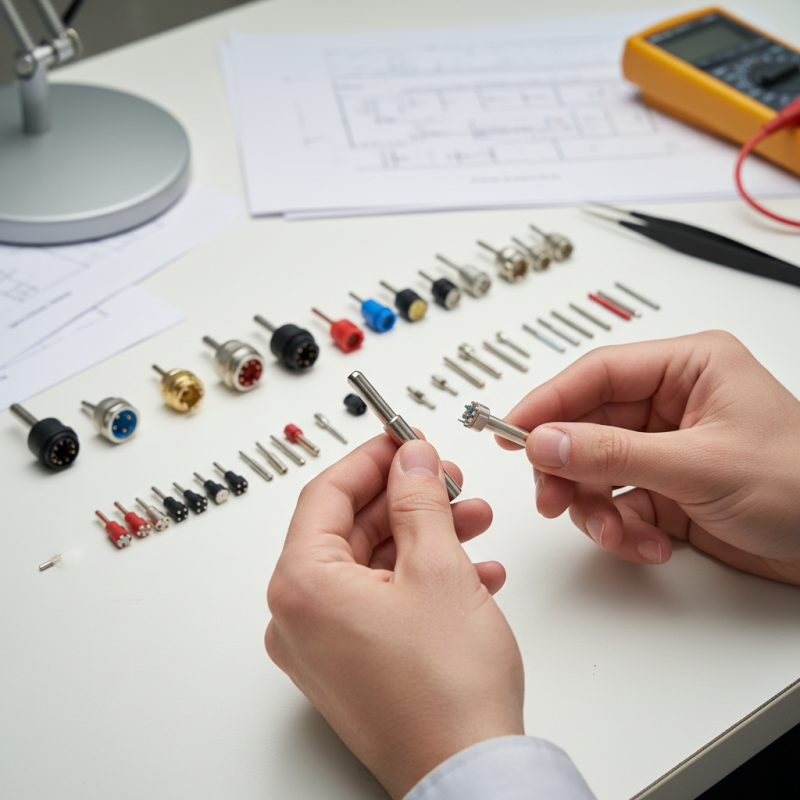
Choosing the right electrical pin for a project can be challenging. Many types exist, and each has its own purpose. Understanding these different types is crucial for success.
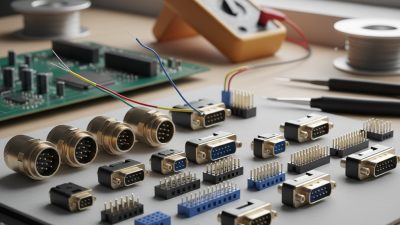
One common type is the pin header. These come in various configurations, like single or double rows. They are easy to use and can connect multiple wires. However, they can sometimes be fragile, leading to issues if not handled carefully.
Another type is the female header. This allows for easy insertion of male pins. While this facilitates connections, wear and tear can occur over time, reducing reliability.
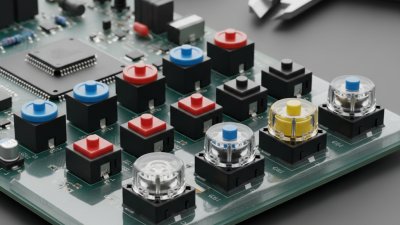
Test points are also essential pins. They provide convenient access for measuring voltages or signals in a circuit. However, they may be overlooked in the design process. Not considering their placement can complicate debugging later. During your project planning, think about the types of pins you need. Reflect on the potential trade-offs. The right pin can make or break your project.
Factors to Consider When Selecting Electrical Pins for Your Project
Choosing the right electrical pin for your project can be challenging. There are key factors to consider. First, think about the current rating. It determines how much power can safely flow through the pin. Higher current ratings mean thicker wires. Look at the pin material as well; copper is common, but some projects may require gold-plated options for better conductivity.
Next, consider the pin size and shape. Compatibility with connectors matters. Make sure the pins fit snugly in their connectors. Larger pins may handle more power, but they take up more space. Pay attention to the layout of your circuit board; crowded spaces can lead to mistakes. A crowded area increases the risk of shorts. It's crucial to reflect on sizing before committing to a design.
Don't overlook the environmental conditions. Some pins resist corrosion better than others. If your project faces moisture, choose pins labeled as water-resistant. Heat can also affect performance. A pin that works in one setting may fail in another. Think ahead; future-proofing your design can save time and costly changes. Your choices now define the project's success later.
Electrical Pins Selection Factors
Assessing Voltage and Current Ratings for Electrical Pins
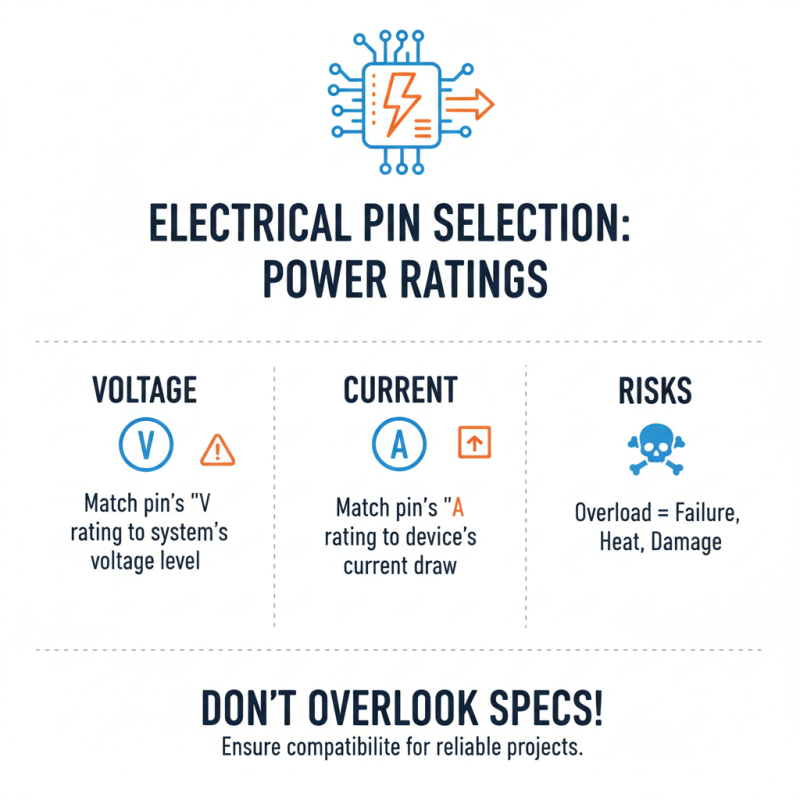
When selecting electrical pins, it's crucial to assess voltage and current ratings carefully. Each project may have different power requirements. Overlooking these specifications can lead to failures. Make sure to check if your chosen pin can handle the voltage levels you'll use.
Tips: Always refer to your project specifications. This can save you from unexpected difficulties later. Validate the ratings not just for the overall system, but for individual components as well. Sometimes, a pin can tolerate more than expected, but it’s not always the case.
Consider the environment where the pins will be used. High temperatures or humidity can impact performance. For instance, some pins fail under extreme conditions. Test any weak points in your setup before relying on them. Don't hesitate to do additional research. Even experienced builders face challenges in inconsistency.
Evaluating Compatibility with Circuit Boards and Connectors
When embarking on an electronic project, selecting the right electrical pin is crucial. However, evaluating compatibility with circuit boards and connectors often presents challenges. Understanding pin configuration is essential. Each board and connector can have different pin layouts. This variance can lead to mismatching, which could threaten the project's success.
It’s important to examine the technical specifications of your circuit board. Look for details like pin spacing, pin type, and electrical ratings. Mismatched specifications can cause issues. For example, a pin that fits physically may not handle the required voltage. It's also wise to consider the connector types your project necessitates. Various applications, like prototyping or final assemblies, may demand distinct connectors.
Testing combinations can sometimes reveal unexpected issues. You may find that a connector seems compatible but fails under load. To avoid these pitfalls, careful planning is necessary. Document your requirements and double-check your pin choices. This attention to detail can save time and resources later on.
How to Choose the Right Electrical Pin for Your Project? - Evaluating Compatibility with Circuit Boards and Connectors
| Pin Type |
Common Uses |
Compatibility |
Recommended Pin Count |
Current Rating (A) |
| Header Pins |
Prototyping, Arduino projects |
Standard 2.54 mm pitch |
2 - 40 pins |
3 - 5 A |
| JST Connectors |
Battery connections, drones |
2.0 mm pitch |
2 - 12 pins |
1 - 5 A |
| Molex Connectors |
Computers, power supplies |
2.54 mm and 1.5 mm pitch |
2 - 16 pins |
1 - 8 A |
| Screw Terminals |
Audio equipment, home automation |
Various pitches |
2 - 10 connectors |
5 - 20 A |
| Blade Connectors |
Automobiles, power tools |
Standard sizes |
1 - 6 pins |
5 - 30 A |
Best Practices for Installing and Using Electrical Pins Effectively
When working on electrical projects, understanding how to install and use electrical pins is crucial. Start by selecting the right pin for your specific needs. Consider the gauge and type that fit your components. A mismatched pin can lead to malfunction. Always check the specifications before making a choice. Pay attention to details like pin spacing and material. These factors influence performance.
Installation requires precision. Use tools that can help secure the pins firmly. Alignment is key; misaligned pins can create short circuits. Take your time. It's okay to double-check your connections. Mistakes can lead to frustration. After installation, test the connections. A simple multimeter can prevent future issues.
Be cautious when using electrical pins in various environments. Humidity or extreme temperatures can affect conductivity. If your project fails, review your work. Reflect on what could be improved. Document your process for better troubleshooting next time. Keep exploring different pin types. Each project offers a learning experience.