2026 How to Choose the Right Ffc Connector for Your Needs?
When selecting the right Ffc connector, various factors come into play. The Ffc connector market is expected to grow significantly, with a projected CAGR of 4.6% from 2022 to 2027, according to recent industry research. This growth reflects the increasing demand for compact, flexible connection solutions in electronics. Choosing the appropriate Ffc connector can enhance device performance while ensuring reliability and durability.
Specific applications require precise specifications. For instance, in consumer electronics, connectors need to support higher data rates and power densities. A miscalculation in connector choice can lead to device failure or inefficient performance. Companies are advised to evaluate connector pitch, thickness, and cable design carefully. Data shows that improper connectors account for up to 30% of electronic device failures.
Understanding the nuances of Ffc connectors is essential. Consider questioning whether the selected connector can withstand environmental factors or high cycle counts. Reflecting on potential limitations can lead to better decision-making processes. You may find that the right choice not only improves functionality but also reduces long-term costs.
Understanding FFC Connectors: Types and Specifications
FFC connectors are essential in many electronic devices. They provide a flexible and compact way to connect various components. Understanding their types and specifications is crucial for making the right choice.
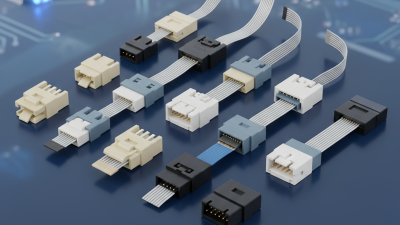
There are several types of FFC connectors, each designed for specific applications. Common types include standard pitch connectors, low-profile connectors, and those with locking mechanisms. Standard pitch connectors work well in most situations. Low-profile connectors are ideal where space is tight. Locking connectors provide additional security in high-movement environments.
When selecting an FFC connector, consider the specifications. Pay attention to the pitch size, which affects compatibility. Check the number of pins, as this impacts functionality. Ensure the connector can handle the required current and voltage levels. Sometimes, it’s easy to overlook these details, but they are critical for device performance. Choose wisely, as the wrong connector can lead to connectivity issues or device failures.
Key Factors to Consider When Choosing FFC Connectors
When selecting FFC connectors, several key factors deserve attention. One of the most crucial aspects is the pitch size. A smaller pitch can save space on a circuit board, but it may complicate installation and maintenance. Consider the specific requirements of your application. Larger connectors may be easier to handle but take up more room.
Next, evaluate the number of contacts. Fewer contacts mean reduced weight and size, but may not provide the necessary signals. More contacts can enhance functionality but also increase complexity. Think about the trade-offs carefully. Connector orientation also plays a role. For tight spaces, right-angle connectors might be ideal. However, they might not be the best fit for every project.
Material selection is another important aspect. Connectors made from high-quality materials ensure durability and performance. Check the operating temperature range and environmental factors that could affect the connector’s lifespan. Ultimately, thorough research and testing can lead to better decisions. You may need to experiment with different options to find the perfect fit for your specific application.
Application Requirements: Matching FFC Connectors to Your Project
When selecting the right FFC connector for your project, it is crucial to understand application requirements. The industry reports indicate that approximately 45% of connector failures arise from improper selection. This statistic highlights the importance of matching connectors to specific project needs. Factors such as pitch, number of contacts, and operating environment are crucial in the decision-making process.
For example, a 0.5mm pitch connector is commonly used in compact devices. It's ideal for small electronic layouts but may not handle high current applications effectively. In contrast, a 1.0mm pitch connector provides better durability and thermal management for larger equipment. Projects requiring enhanced mechanical strength should prioritize connectors with locking mechanisms, as studies show that they can reduce accidental disconnects by up to 30%.
Understanding material properties is also vital. Different applications may demand high-temperature resistance or chemical compatibility. Some materials may be reliable in specific environments but degrade under stress. It's critical to evaluate the project's operational conditions. Consulting with a connector expert can help bridge the gap between technical needs and practical implementation. Reliable resources, like industry guidelines, often provide essential insights and considerations that enhance the decision-making process.
Evaluating Performance Metrics of FFC Connectors
When selecting the right Flat Flexible Connector (FFC) for your application, performance metrics are crucial. These metrics can include operating temperature, current rating, and mechanical durability. For instance, research indicates that FFC connectors can support current ratings between 0.5A to 5A, depending on the design and materials used.
Evaluating the operating temperature range is essential. Many FFC connectors operate effectively between -40°C and 105°C. This range is vital for applications in extreme environments. Moreover, mechanical stress testing shows that some FFC connectors endure over 10,000 insertion cycles. This durability factor is significant for industries with frequent connector engagement.
Connection integrity also plays a critical role. Insulation resistance and contact resistance are key performance indicators. Insulation resistance typically exceeds 1,000 MΩ, ensuring minimal signal loss. In contrast, contact resistance should remain below 50 mΩ for optimal performance. Understanding these metrics can guide you in making a more informed decision tailored to your specific application needs.
Cost Considerations and Sourcing Quality FFC Connectors
Choosing the right FFC connector involves careful cost considerations. A recent industry report indicated that approximately 40% of businesses prioritize price over quality when sourcing. While this approach can save initial costs, it may lead to increased long-term expenses due to failures or replacements.
Quality is crucial in FFC connectors, especially in applications requiring durability. Reports suggest that connectors from reliable sources can reduce failure rates by up to 30%. However, sourcing high-quality connectors often means engaging with established suppliers, who may charge a premium. It’s essential to weigh the trade-offs between upfront costs and potential long-term savings.
In terms of sourcing, awareness of the supplier’s manufacturing capabilities is vital. Over 50% of sourcing teams reported challenges in verifying quality standards. Look for suppliers with clear certifications and robust testing processes. However, even with these measures, there can be discrepancies in product quality. Always consider the impact of connector reliability on your overall project success.