How to Choose the Right Wire Electrical Connector for Your Needs?
Choosing the right Wire Electrical Connector is crucial for ensuring safe and efficient electrical connections. According to electrical industry expert John Thomas, "The right connector can prevent failures before they happen." This statement underscores the importance of understanding your specific needs when selecting a connector.
Wire Electrical Connectors come in various forms, each designed for specific applications. A mismatch can lead to serious issues, such as short circuits or equipment failure. It's essential to consider factors like gauge, insulation type, and environmental conditions. Each decision should reflect the unique demands of your project.
Yet, many users overlook critical details during their selection process. They often prioritize cost over quality. This approach can be problematic, as lower-quality connectors might fail sooner. Awareness of the right type of connector can lead to long-term benefits. Consider the lasting implications of your choices when navigating the world of Wire Electrical Connectors.
Understanding the Different Types of Wire Electrical Connectors
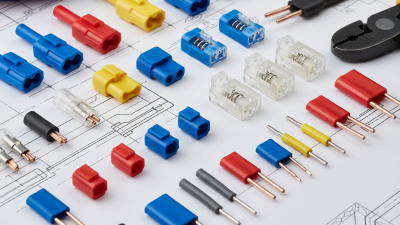
Selecting the right wire electrical connector can be challenging, given the variety available. Understanding different types helps streamline your choice. Crimp connectors are widely used for many applications. They offer strong mechanical bonds and electrical conductivity. According to the National Electrical Manufacturers Association, crimping can reduce electrical resistance by up to 50%.
Screw terminals provide another option. They are easy to use and secure connections effectively. Many electricians favor them for temporary setups or in tight spaces. A report from the Electrical Industry Association states that screw terminals have a failure rate of less than 1%. This level of reliability is crucial in critical wiring situations.
However, it’s essential to acknowledge some drawbacks. Crimp connectors may require special tools for proper installation. Inadequate crimping can lead to connection failure. Similarly, screw terminals can loosen over time, especially in high-vibration environments. Addressing these concerns is vital for achieving long-term performance. Considering the specific needs of your project will guide you to the right connector choice.
Assessing Your Project Needs and Requirements
Choosing the right wire electrical connector is crucial for your project. Assessing your needs can save time and enhance safety. Start by considering the wire gauge. A thicker wire needs larger connectors for better electrical flow. If you are working in a high-vibration environment, selecting connectors with secure locking mechanisms is essential. These connectors help prevent accidental disconnections.
When evaluating your project, check the compatibility with different materials. Copper and aluminum wires require specific connectors. Using the wrong type may lead to poor conductivity. It’s also wise to think about environmental factors. Will the connectors be exposed to moisture or extreme temperatures? Ensure you select options designed for such conditions.
Reflecting on your choices is important. Poor selection can lead to frequent maintenance. This may increase costs and delays. Understanding your project's specific requirements empowers you to make better decisions. Testing a few options before finalizing your choice is beneficial. Always prioritize safety and functionality in your decisions.
How to Choose the Right Wire Electrical Connector for Your Needs?
| Connector Type |
Wire Gauge Compatibility |
Current Rating (Amps) |
Material |
Common Applications |
| Butt Connector |
22-18 AWG |
10-15 Amps |
Copper |
Home wiring, automotive |
| Ring Terminal |
14-10 AWG |
15-25 Amps |
Copper |
Ground connections, automotive |
| Spade Connector |
18-14 AWG |
15-20 Amps |
Copper |
Automotive, industrial |
| Disconnect Terminal |
16-12 AWG |
20-30 Amps |
Copper |
Temporary connections, automotive |
| Wire Nut |
22-12 AWG |
Up to 30 Amps |
Plastic and copper |
Permanent wire splicing |
Evaluating Material Compatibility and Ratings
Choosing the right wire electrical connector involves careful consideration of material compatibility and ratings. Different materials have distinct properties that affect performance. Copper and aluminum are common choices. Copper has excellent conductivity, while aluminum is lighter and often cheaper. However, aluminum connectors require more careful installation to prevent oxidation.
Material compatibility goes beyond the metals used. Consider insulation types as well. PVC, rubber, and thermoplastic materials have different thermal properties. Check the connector’s temperature rating to ensure it aligns with your project's requirements. A mismatch could lead to electrical failure or safety hazards.
Testing ratings are vital. Look for industry-standard certifications to gauge reliability. If you frequently work in varying environments, you might need connectors rated for moisture or heat resistance. It is important to reflect on past decisions. Choosing a connector without proper rating led to issues in my earlier projects. Learning from such experiences informs better choices in the future.
Considering Connector Size and Fit for Your Application
Choosing the right wire electrical connector involves more than just picking a random option. The size and fit are crucial to ensuring safety and reliability in your electrical system. Connectors must match the wire gauge to prevent overheating or connection failure. A snug fit reduces resistance, which means lower chances of voltage drop. Always verify the connector's specifications before making a purchase.
Consider the environment where the connector will be used. For instance, moisture or extreme temperatures may require specialized connectors. Plastic connectors might not withstand heavy industrial conditions. In those cases, metal housing could be the better choice. It's essential to account for these factors when selecting.
Sometimes you may find connectors that seem perfect but do not fit quite right. This could lead to future complications. Measuring the wire and connector accurately is vital and often skipped. If your connector feels too loose or is difficult to install, reevaluate your choices. Ensuring compatibility with your application minimizes potential issues down the line. Prioritizing fit and size will lead to a more dependable electrical connection.
Wire Electrical Connector Size Comparison
Tips for Proper Installation and Maintenance of Wire Connectors
When installing wire electrical connectors, preparation is essential. Clean the wire ends to ensure a solid connection. De-burring the wires can prevent spark issues and improve conductivity. Using the correct connector type is vital. Check for compatibility with your wire gauge. Improper pairing can lead to malfunctions or overheating.
While installation, avoid over-tightening. This can damage the connector and compromise the connection. If not secure enough, the connection may fail, leading to incomplete circuits. Consider using heat shrink or electrical tape for extra protection. Ensure the environment is suitable, too. Moisture and dust can lead to corrosion. Regular inspections of the connectors play a crucial role in maintenance.
Look out for signs of wear, such as fraying or discoloration. Replace any connectors that show damage immediately. Be cautious and pay attention to the details. Small mistakes now can lead to significant issues later. Testing connections with a multimeter can help ensure functionality. Proper practices lead to better performance and safety in your electrical systems.