10 Essential Tips for Choosing the Right Pin Connector
Choosing the right pin connector is crucial for any electronic project. Pin connectors play a vital role in ensuring reliable connections between various components. A poor choice can lead to malfunction or even damage. Experienced electrical engineers emphasize the significance of picking the correct specification.
Understanding the different types of pin connectors available is essential. Each type serves a unique purpose, whether it's for power, data transfer, or signal integrity. A lack of knowledge here can lead to wasted resources and unreliable setups. Evaluation of factors like size, durability, and compatibility is necessary.
Your choice of pin connector reflects your project’s quality. Investing time in the selection process can prevent future issues. Always consider how a connector will perform under specific conditions. This detailed assessment will guide you in making informed decisions. Reflect on the consequences of overlooking these factors. A well-chosen pin connector enhances reliability and performance.
Understanding the Basics of Pin Connectors and Their Applications
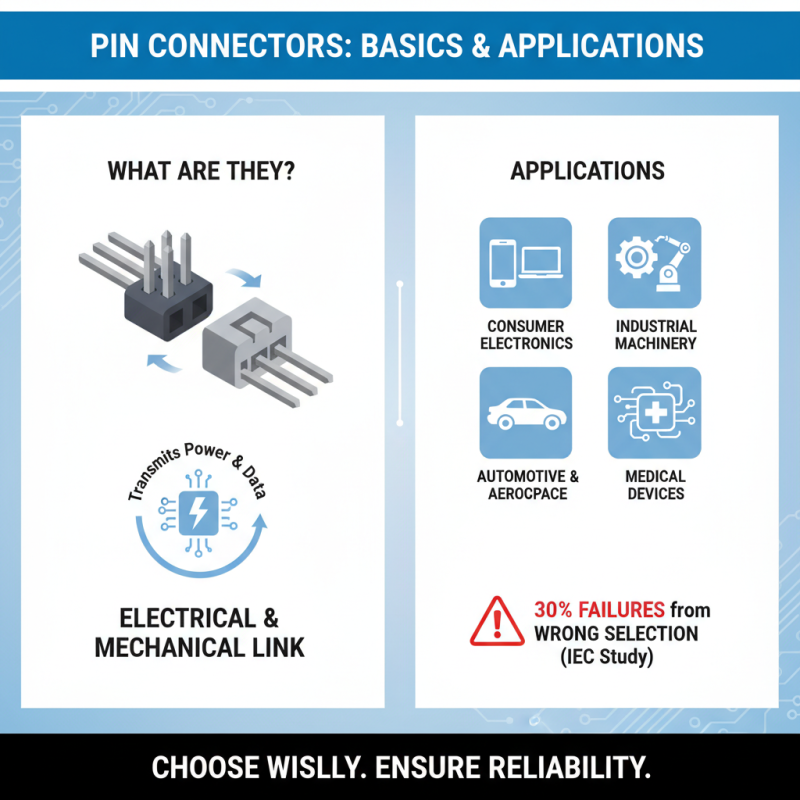
Pin connectors are crucial in various applications, from consumer electronics to industrial machinery. Understanding their basics can greatly influence your choice. A study from the International Electrotechnical Commission (IEC) shows that over 30% of connection failures stem from improper connector selection. Thus, grasping how these connectors work is vital.
Pin connectors come in various shapes and configurations, each serving specific purposes. For example, they are used in automotive systems, where reliability is paramount. According to a report by Research and Markets, the automotive connector market is expected to reach $36 billion by 2027. This growth underscores the increasing importance of choosing the right pin connector to enhance system performance.
Choosing a pin connector requires careful consideration of factors like size and material. Many overlook this, leading to issues down the line. For instance, copper connectors are popular for their conductivity, while plastic housings offer insulation. The wrong choice can lead to overheating or connectivity problems. Each application has unique demands, and understanding these subtleties can make a significant difference in your project's success.
Evaluating Different Types of Pin Connectors for Your Needs
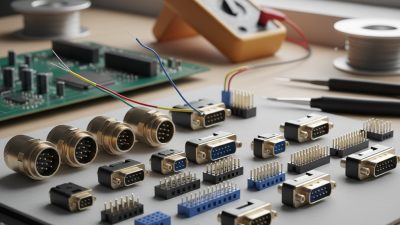
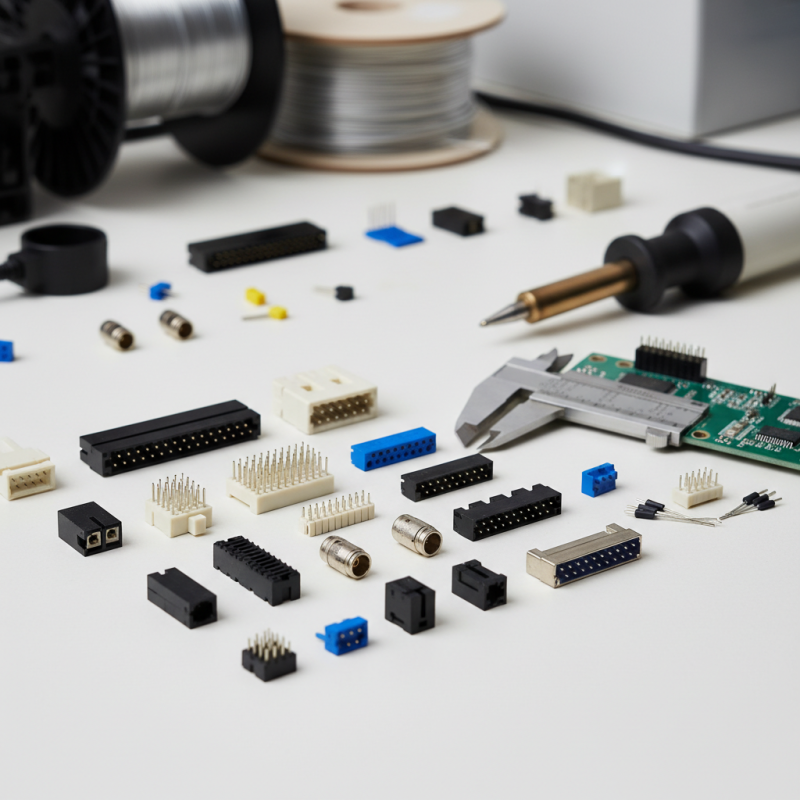
When selecting the right pin connector, understanding the types available is crucial. Each design serves specific functions and environments. For instance, connectors such as male, female, or threaded pin types can fulfill different roles. According to industry reports, over 70% of electronic failures result from poor connector choices. This highlights the importance of precision in your selection process.
Evaluating your needs involves examining factors like voltage, current capacity, and environmental conditions. Connectors designed for high humidity can prevent corrosion. Data from the Connector Industry Association states that durability and resistance to environmental stressors extend product lifespan significantly. Pin connectors can withstand different temperatures, ranging from -40°C to 125°C.
Consider also the physical space available for the connector. Oversized connectors can limit design flexibility. Frequent design reviews may reveal misalignments in your initial choice. This feedback loop helps refine your selection. The more you understand your requirements, the better your choice will be. Remember, it’s not only about specifications; it’s about finding harmony between elements.
10 Essential Tips for Choosing the Right Pin Connector
Key Factors to Consider When Selecting Pin Connector Specifications
Choosing the right pin connector requires careful consideration of several key factors. First, you should evaluate the current and voltage requirements. Each application demands specific ratings to ensure safety and efficiency. Ignoring this detail can lead to failures.
Material choice is another critical aspect. Different materials provide various levels of corrosion resistance and durability. If the environment is harsh, opt for connectors designed to withstand moisture and extreme temperatures.
Understanding the pin configuration is vital. Ensure that the connector fits the design of your project. An incorrect configuration might seem minor but can result in serious connectivity issues. Look at the overall size and layout to avoid misunderstandings.
Consider ease of use during installation. Some connectors are straightforward, while others require tools or specialized skills. Balancing ease of use with robust performance ensures better reliability.
In summary, becoming familiar with these aspects will guide you in choosing the right pin connector. Don't rush the selection process; take the time to explore every detail.
Assessing Compatibility with Your Existing Electrical Components
When selecting a pin connector, assessing compatibility with your existing electrical components is crucial. A recent industry report indicates that improper connections can lead to performance issues in 30% of devices. Each pin connection must match in terms of voltage and current ratings to ensure optimal functionality. Compatibility impacts not just the connection’s reliability but also overall circuit safety.
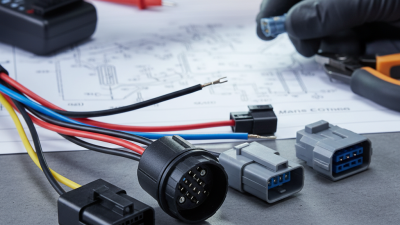
To help with this, review the specifications of your current components. Knowing the gauge and configuration of your wiring is essential. Do these details align with your potential pin connectors? A mismatched connector often results in signal loss or overheating, which no one anticipates when making a simple choice.
Always consider the connector's physical size as well. It may seem trivial, but if it doesn't fit in the available space, the best connectors will be rendered useless. Make a list of required specifications and measure your available space accurately. A careful assessment can save you from costly replacements. Compatibility is key; don’t overlook it.
Best Practices for Installing and Maintaining Pin Connectors
When installing pin connectors, proper techniques are essential for durability and functionality. One key aspect is ensuring a clean installation area. Dust and debris can interfere with connections, leading to failures. Before starting, check the connectors and surrounding components for contaminants.
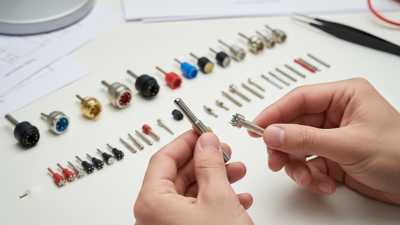
Handling the pin connectors with care is critical. Excessive force can bend or break pins, affecting the connection's integrity. Insert pins gently and avoid quick movements. Always align the connectors properly to prevent damage.
Regular maintenance helps keep pin connectors in optimal condition. Inspect connections periodically for signs of wear or corrosion. Clean them with appropriate tools to ensure conductivity. Keeping connectors in good shape enhances performance and prevents unexpected failures.