Leave Your Message

10 Essential Tips for Choosing the Right Wire Harness for Your Project?

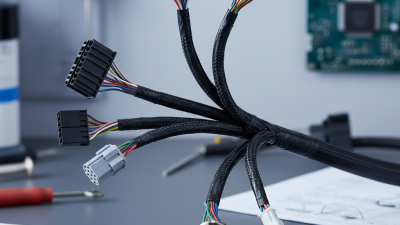
Choosing the right wire harness is crucial for the success of any electrical project. A wire harness is a collection of wires, connectors, and terminals, all working together to transmit electricity. They come in various shapes and sizes, designed for specific applications. The wrong choice can lead to inefficiency, costly errors, or even hazardous situations.

When selecting a wire harness, consider the environment. Will it be exposed to moisture or extreme temperatures? The materials used in the harness are just as important. Copper wire is common, but other materials exist. Think about the current and voltage ratings. Insufficient ratings might lead to failure. It's easy to overlook such details, yet they are vital.

Take time to evaluate your needs. A poorly chosen wire harness can cause significant problems down the line. Reflect on your project's requirements versus your options. Understanding compatibility with connectors and components is essential, yet often underestimated. A wire harness that doesn’t fit can ruin the entire setup. Choosing wisely is key.
10 Essential Tips for Choosing the Right Wire Harness for Your Project?

Understanding Wire Harness Basics and Terminology

When selecting a wire harness, understanding the basics is crucial. A wire harness is a systematic assembly of wires, connectors, and terminals. This assembly organizes electrical systems, ensuring safety and efficiency in projects. Terminology like “insulation” and “gauge” plays a significant role in making the right choice.

Consider the purpose of the wire harness. Are you working with high voltage or low voltage? Performance needs vary greatly. A tip is to match the wire gauge to the current requirement. A thicker wire can handle more current, but it’s bulkier. Sometimes, smaller gauges make sense for tight spaces. Evaluate your project limitations carefully.

Another key aspect is connector type. Various connectors serve different functions. Investing in the right connector can save headaches later. Always check compatibility with existing components. Testing early in the project can avoid costly mistakes. Gather feedback from team members on the design, as multiple perspectives help refine decisions. Balancing between practicality and ideal specifications leads to better outcomes.

10 Essential Tips for Choosing the Right Wire Harness for Your Project

Tip No. Tip Description Considerations Advantages Common Applications
1 Define Your Project Requirements Voltage, Amperage, Environmental Conditions Custom solutions Automotive, Industrial Machinery
2 Select the Right Wire Gauge Current Carrying Capacity Reduces overheating risks Electrical Devices, Home Appliances
3 Choose Connector Types Wisely Compatibility and Ease of Use Ease of installation Consumer Electronics, Robotics
4 Consider Heat Resistance Wiring Locations and Heat Sources Increased durability Heavy Equipment, Automotive
5 Assess Environmental Factors Moisture, Chemicals, UV Exposure Enhanced longevity Outdoor Equipment, Marine Applications
6 Incorporate Proper Insulation Preventing Short Circuits Improved safety Electrical Panels, Circuit Boards
7 Plan for the Installation Process Accessibility and Space Constraints Time-efficient installations Home Improvements, DIY Projects
8 Ensure Proper Testing Procedures Conduct Thorough Inspections Reduces failure rates Quality Assurance in Manufacturing
9 Review Regulatory Compliance Industry Standards and Certifications Ensures safety and reliability Manufacturing, Aerospace
10 Consult with Experts Get Professional Advice Best practices and recommendations Custom Projects, Complex Designs

Assessing Project Requirements for Optimal Wire Harness Selection

10 Essential Tips for Choosing the Right Wire Harness for Your Project?

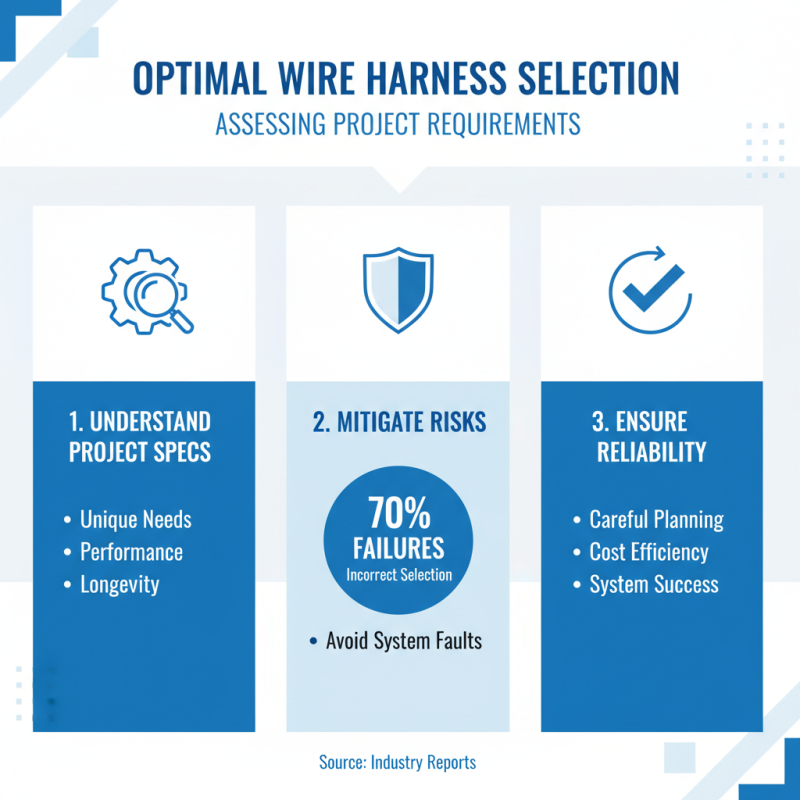
Assessing project requirements is a critical step in selecting the right wire harness. Each project possesses unique specifications. Understanding these specifics ensures optimal performance and longevity of the wire harness. According to industry reports, 70% of failures in electrical systems relate to incorrect harness selection. This highlights the importance of careful planning.

Begin by evaluating the environment where the harness will operate. Factors like temperature, moisture, and exposure to chemicals are crucial. For instance, a harness used in automotive applications faces different challenges than one meant for industrial use. The right materials and protective coatings can significantly impact durability and functionality. Inadequate protection can lead to costly repairs.

Another key consideration is the electrical requirements. Voltage levels and current ratings must align with the harness specifications. Data reveals that mismatched electrical ratings contribute to over 50% of installation errors. This aspect cannot be overlooked. Make sure to assess compatibility effectively. Ignoring these elements can lead to project delays and increased costs. Understanding your project’s full scope is essential.

Evaluating Material Types for Durability and Performance

When selecting a wire harness, evaluating material types is crucial. Different materials offer various durability and performance traits. For instance, copper wiring is known for its excellent conductivity and flexibility. It performs well in numerous applications, especially when high current is involved. However, copper can corrode over time, especially in moist environments. It’s essential to weigh these factors based on your project’s specific needs.

Another option is aluminum, which is lightweight and resistant to corrosion. It’s an excellent choice for applications where weight is a concern. However, aluminum may not offer the same electrical performance as copper. This trade-off could affect the efficiency of the electrical system. Additionally, insulation materials like PVC or thermoplastic elastomers contribute to the overall performance. Proper insulation protects against wear and potential shorts. Yet, not all insulations perform equally, especially under extreme conditions.

In exploring different materials, consider the environment in which your harness will operate. Factors like temperature fluctuations, exposure to chemicals, and moisture presence can impact your choice. Sometimes, the best option may not be the most popular one. You may need to rethink your initial choices as you assess long-term durability and performance.

Examining Connector Options and Compatibility Features

When selecting a wire harness, connector options play a vital role. Different connectors serve various functions and environments. Consider waterproof connectors for outdoor projects. They protect against moisture. For indoor use, lighter connectors may suffice. But these choices significantly impact durability and longevity.

Compatibility features also need evaluation. Ensure your connectors fit your devices. Mismatched connectors lead to malfunctions or even failure. Check specifications carefully; often, manuals provide guidance. Test connections before final installations. Sometimes, labels or part numbers can mislead. Double-checking saves time and effort down the line.

Investing time in understanding these aspects is essential. Many overlook connectors, focusing solely on wires. This mistake can lead to significant setbacks. Consider the future needs of your project too. Adapting to new technologies may require rethinking your initial choices. Your project deserves thoughtful consideration of all parts, including connectors.

Considering Environmental Factors and Customization Needs

When selecting a wire harness, environmental factors are critical. Consider temperature fluctuations, moisture levels, and exposure to chemicals. These elements can affect performance and longevity. For example, harsh chemicals can degrade insulation materials. A harness that's not designed for such conditions may fail prematurely.

Customization is equally essential to ensure compatibility with your project. Think about the specific connectors and terminals you need. Having the right configurations can streamline assembly. However, creating a custom solution can lead to higher costs and longer lead times. Ensure your team assesses whether these trade-offs are acceptable.

Be mindful of the potential compromises. For example, a highly customized wire harness might not be easily replaceable. Standardized options could offer better availability, but might not fit perfectly. Balance your project requirements with practical considerations. This reflection process can refine your selection criteria significantly.