What is a Flat Cable and How is it Used?
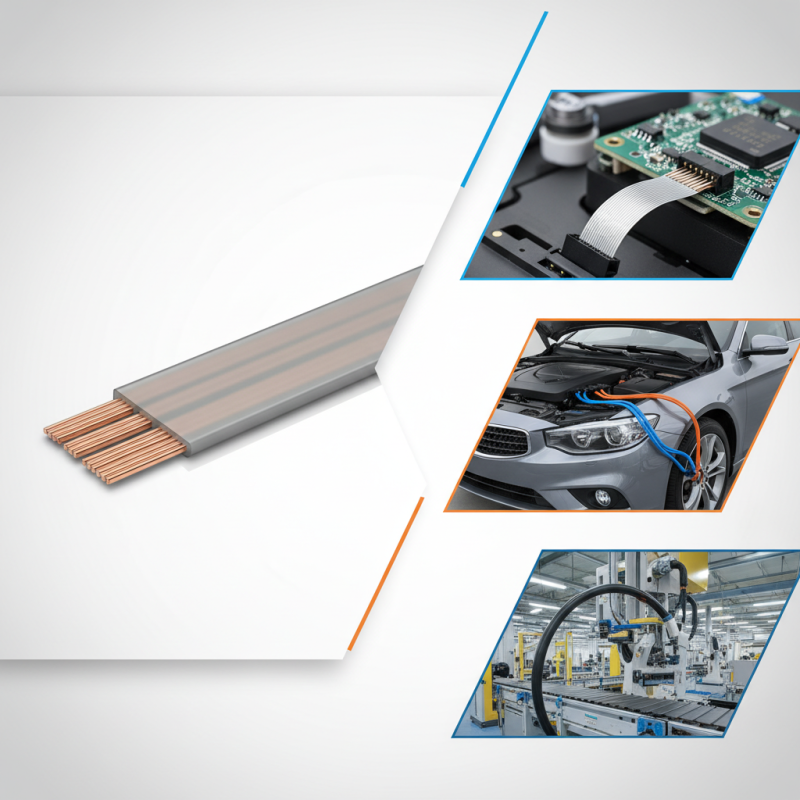
Flat cables are becoming increasingly popular in various industries. Their design enables efficient space utilization while ensuring reliable electrical connections. These cables consist of multiple conductors arranged flat, making them easier to install in tight spaces.
The versatility of flat cables allows them to be used in numerous applications. They are found in electronics, automotive, and industrial equipment. In each case, the compact design helps streamline the setup, promoting better organization. One might wonder, though, if the flat cable's structure compromises its performance.
Many users have reported that while flat cables perform effectively, they can be more prone to damage. It’s essential to consider the trade-offs. We must ask ourselves if the benefits truly outweigh potential drawbacks in specific scenarios. Exploring the uses of flat cables leads us to understand their importance today.
What is a Flat Cable?
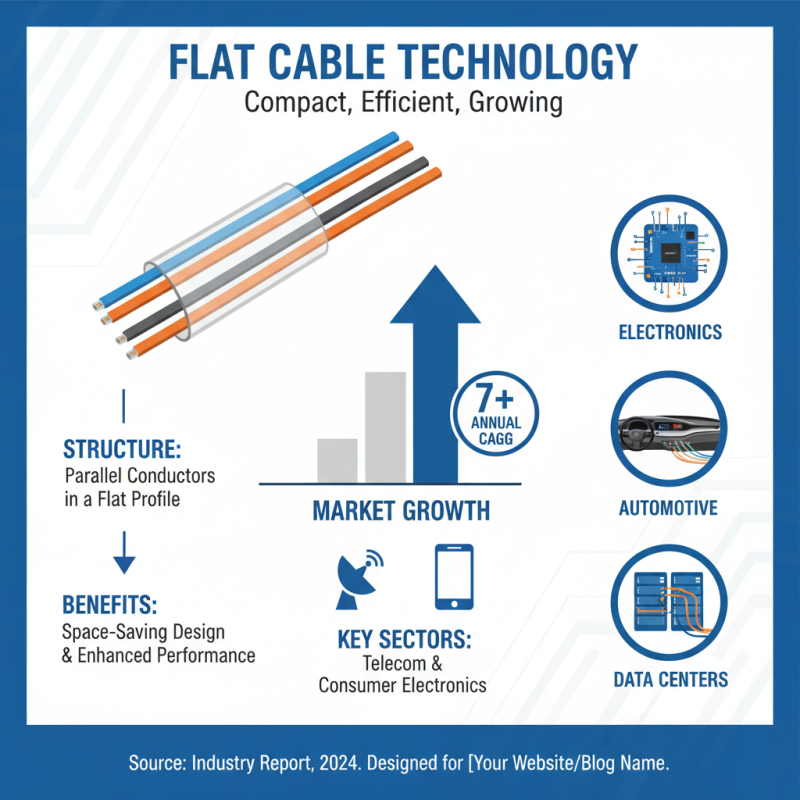
Flat cables are a crucial component in various electronic applications. They consist of multiple conducting wires arranged parallel to each other within a flat structure. This design allows for efficient use of space and improved functionality. According to a recent industry report, flat cables are projected to witness a growth rate of over 7% annually, reflecting their increasing demand in sectors like telecommunications and consumer electronics.
The layout of flat cables enables easy installation and helps to reduce electromagnetic interference. They are often used in flexible circuits, making them ideal for areas with limited space. These cables are frequently found in robots and automated systems. It's important to acknowledge that despite their advantages, flat cables can be more vulnerable to physical damages. For instance, they can be damaged by sharp bends or excessive tension.
While flat cables provide significant benefits, their installation can present challenges. It's crucial to ensure that they are correctly configured to prevent performance issues. Manufacturers often recommend regular inspections, as wear and tear can lead to functional failures. This highlights a need for ongoing evaluation and improvement in cable usage practices.
Types of Flat Cables and Their Characteristics
Flat cables come in various types, each with unique characteristics. These cables are typically defined by their flat shape, which allows for efficient use of space. They are commonly used in applications where flexibility and compactness are essential. For example, ribbon cables are a type of flat cable often utilized in computer connections due to their thin profile.
Another common type is the flat flexible cable (FFC). This cable is especially popular in electronics. It is ultra-thin and can bend in tight spaces. Its capacity for various applications makes it a favorite among designers. Many industries, including automotive and medical, incorporate FFCs for their reliability.
Tips: When selecting a flat cable, consider the environment. Temperature and flexibility can greatly affect performance. Also, look for the insulation materials used, as they impact durability. Remember, not all cables are created equal. It’s vital to assess your specific needs before making a choice. If unsure, get advice from experts or use samples to test compatibility.
Common Applications of Flat Cables in Various Industries
Flat cables are versatile components found in many industries. They are designed to efficiently transmit power and signals. Their slim profile allows for flexible routing in tight spaces. This makes them ideal for various applications.
In the automotive industry, flat cables connect sensors, lights, and control systems. Their design offers ease of installation in complex wiring harnesses. In consumer electronics, flat cables are commonly used in devices like TVs or gaming consoles. Their flexibility and durability enhance device performance.
Flat cables also play a vital role in telecommunications. They support data transmission in communication networks. Yet, their efficiency can vary based on environmental conditions. Proper installation can be challenging. Users need to ensure that cables are well protected against wear. This awareness can improve longevity.
Advantages of Using Flat Cables Over Traditional Round Cables
Flat cables offer several advantages over traditional round cables. One notable benefit is their space efficiency. Due to their design, flat cables can easily fit into tight spaces. This is especially useful in electronics where crowded environments are common. For example, inside computers or behind TVs, flat cables help reduce clutter.
Another advantage is flexibility. Flat cables can bend more easily than their round counterparts. This characteristic allows for better routing in complex installations. However, it’s worth noting that excessive bending can lead to wear and tear over time. Users need to be cautious about this.
Lastly, flat cables often have reduced electromagnetic interference. Their arrangement can minimize crosstalk between wires. This factor contributes to a cleaner signal transmission. Nevertheless, not all flat cables are created equal. Some may not perform as well in high-frequency applications. Users should carefully choose cables that fit their needs.
Installation and Maintenance Tips for Flat Cables
Flat cables are widely used in various applications due to their versatility and efficiency. Installation is crucial for optimal performance. Here are some tips to ensure the longevity of your flat cables.
When installing flat cables, avoid tight bends. Try to maintain a gentle curve to reduce stress. According to industry reports, improper bending can lead to signal degradation. Keep your installation area clean. Dust and debris can impair connectivity over time.
Regular maintenance is also essential. Inspect connections periodically. Look for signs of wear or damage. If you notice fraying, replace the cable immediately. Remember, even small issues can escalate quickly. Always prioritize safety during installation and maintenance. Data indicates that a slight oversight can lead to significant downtime.
Lastly, be mindful of cable placement. Avoid areas with high electromagnetic interference. This can disrupt performance, causing erratic behavior. Ensure cables are shielded properly to enhance functionality. Keeping cables organized can also prevent accidental unplugging or damage.