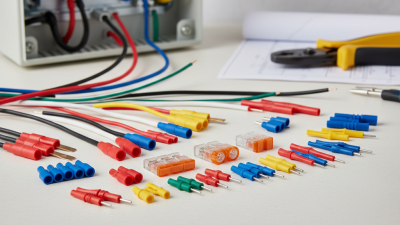
2026 How to Choose the Best Wire Harness Connectors for Your Project?
In the world of electronics, choosing the right Wire Harness Connectors is crucial. Experts like John Smith, a leading authority in connector technology, emphasize, "The choice of connectors can make or break a project." This statement highlights the importance of understanding various connector types and their applications.
Wire Harness Connectors come in many shapes, sizes, and specifications. Each project demands a unique approach based on its requirements. It’s easy to overlook these details, but even small miscalculations can lead to major setbacks. Sometimes, opting for cheaper connectors can save costs initially but result in long-term failures.
Selecting the best Wire Harness Connectors should involve careful consideration. Factors like environmental conditions, electrical load, and space constraints may impact the final choice. It can be overwhelming, and mistakes are often made. Reflecting on past projects reveals that taking the time to choose the right connectors pays off in reliability and efficiency.
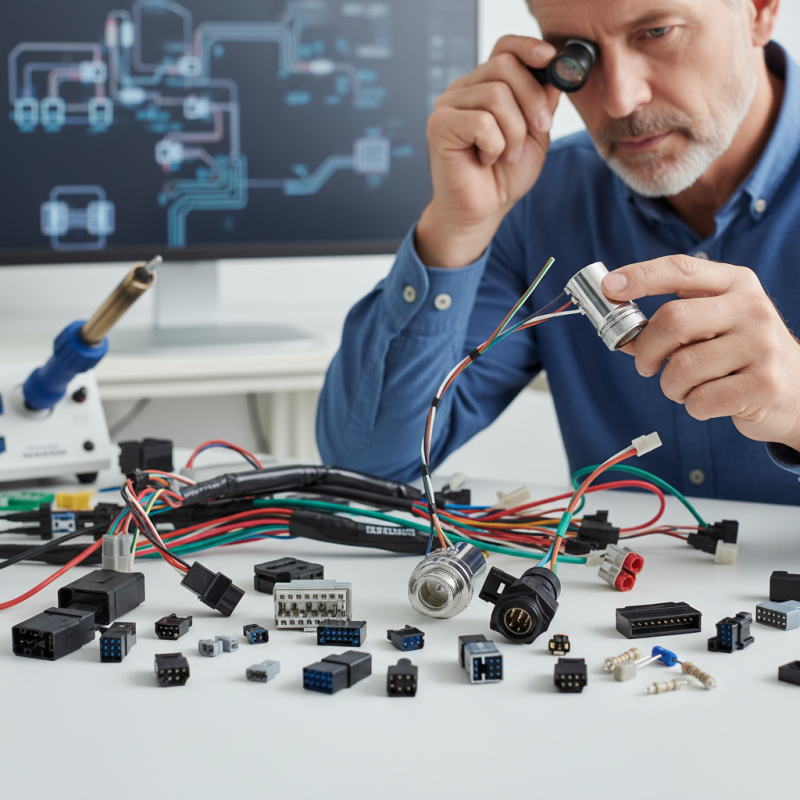
Understanding Wire Harness Connectors and Their Applications
Wire harness connectors play a crucial role in various applications, from automotive to industrial machinery. These components ensure the reliable transmission of power and signals in complex systems. According to a report by Mordor Intelligence, the global wire harness market was valued at approximately $68.46 billion in 2020 and is expected to reach about $81.53 billion by 2026. This growth indicates an increasing demand for high-quality connectors that can withstand harsh environments.
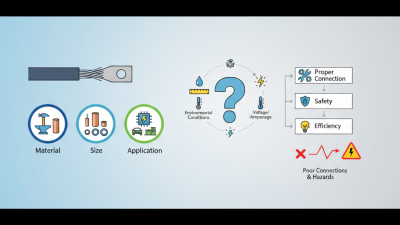
Understanding the specific application of a wire harness connector is essential. Different industries may require connectors to meet unique specifications, such as resistance to temperature changes, moisture, or vibrations. For instance, connectors used in automotive applications often need to comply with stringent standards for durability. On the other hand, connectors for consumer electronics may prioritize compactness and ease of assembly. The choice of material, design, and size influences the overall performance and longevity of these connectors.
However, selecting the right connector isn't always straightforward. Many projects encounter challenges due to improper specifications or a lack of comprehensive understanding. A study by Grand View Research highlighted that many professionals face issues related to compatibility and environmental stresses. Reflecting on these factors can help streamline the design process and improve the overall outcome of the project. Being mindful of these elements ensures that wire harness connectors perform optimally in their intended applications.
Factors to Consider When Selecting Wire Harness Connectors
When selecting wire harness connectors, several factors come into play. First, consider the application environment. Connectors must withstand conditions like temperature fluctuations and moisture levels. In fact, a report from the Institute of Electrical and Electronics Engineers (IEEE) mentions that over 30% of connector failures arise from environmental factors.
Connector size is another crucial aspect. Ensure compatibility with your project’s space requirements. Larger connectors often create routing challenges. Yet, selecting too small can restrict electrical flow. A 2021 study indicated that nearly 25% of design failures were linked to improper sizing. Conducting thorough research can mitigate these risks and improve functionality.
Lastly, materials matter. Choose insulation and plating wisely to enhance durability. Different materials offer varying levels of resistance and conductivity. A poor selection can lead to increased heat generation and eventual failure. The Automotive Connector Market report highlights that 15% of automotive recalls are due to connector malfunctions. It's a reminder to prioritize quality in connector selection.
Factors to Consider When Selecting Wire Harness Connectors
Types of Wire Harness Connectors and Their Features
Choosing wire harness connectors requires understanding their types and features. There are various connectors available. Each type serves different purposes. Some are designed for high current, while others fit specific applications.
For instance, crimp terminals are popular in many projects. They offer a secure connection with ease of installation. However, they require proper tools for crimping. Otherwise, the connection might be weak. Solder connectors are another option. They provide a robust connection but require skill and experience. Mistakes in soldering can lead to failure in the circuit.
Then, consider waterproof connectors. They protect against moisture and dust. This feature is essential for outdoor applications. On the downside, these connectors can be more expensive. Understanding your project’s needs will help narrow your choices. Consider the environment, current requirements, and space constraints. This process can be challenging but crucial for the project's success.
Common Materials Used in Wire Harness Connectors
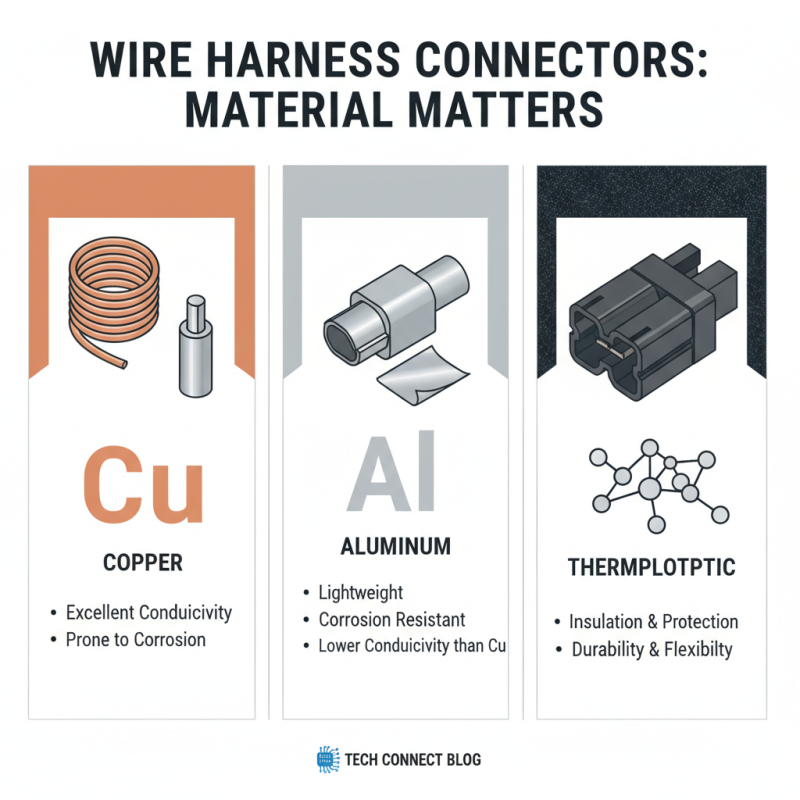
When selecting wire harness connectors, understanding the materials used is crucial. Connectors are often made from metals, plastics, or a combination of both. Common materials include copper, aluminum, and thermoplastic. Copper offers excellent conductivity but can corrode over time. On the other hand, aluminum is lightweight and resistant to corrosion, yet it may not conduct as well as copper.
Thermoplastics serve as insulators. They provide durability and resistance to heat and chemicals. However, not all thermoplastics are created equal. Certain types may become brittle with age. It's essential to evaluate the environmental conditions your connectors will face. Moisture, heat, and mechanical stress can greatly impact material performance. Sometimes, a compromise between cost and durability is required, which can lead to subpar choices.
Ultimately, the best material could be different for each project. Evaluating the specific needs of your application is vital. Don't hesitate to test various materials before finalizing your decision. It's an imperfect process, but one that ensures reliability in your overall project. The goal is to find a balance that meets both your performance and budget needs.
Best Practices for Installing Wire Harness Connectors in Projects
Installing wire harness connectors correctly is crucial for any project. A well-installed connector ensures a reliable electrical connection. Always start with clean wires. Dirt or corrosion can lead to poor performance. Strip the insulation without damaging the wire strands. The right amount of exposed wire makes a better connection.
When crimping, follow manufacturer guidelines. Improper crimping can cause loose connections. Test the fit before securing it fully. Sometimes, it’s easy to overlook the connection's integrity. Use a multimeter to check for continuity after installation. This step is vital for troubleshooting later.
Consider the environment where the connectors will be used. Will they face moisture or extreme temperatures? Some environments require special connectors for durability. Reflect on your choices and their long-term impact. It’s okay to revisit your decisions. Learning from mistakes improves future installations. Every detail counts in creating a successful wire harness.
2026 How to Choose the Best Wire Harness Connectors for Your Project? - Best Practices for Installing Wire Harness Connectors in Projects
| Connector Type |
Material |
Rated Current (A) |
Max Voltage (V) |
Temperature Range (°C) |
Application |
| Molex Connector |
Nylon |
10 |
250 |
-40 to 105 |
Consumer Electronics |
| DT Connector |
Polyamide |
15 |
600 |
-40 to 125 |
Automotive |
| XLR Connector |
Metal/Plastic |
10 |
300 |
-20 to 70 |
Audio Equipment |
| D-sub Connector |
Steel |
5 |
250 |
-40 to 85 |
Computer Networking |
| USB Connector |
Plastic |
2.5 |
5 |
0 to 70 |
Data Transfer |