2026 How to Choose the Right Electrical Pin for Your Projects?
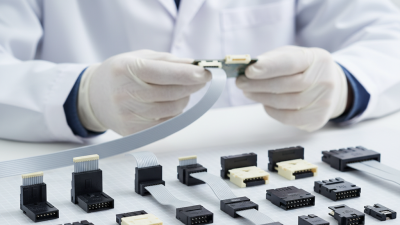
Choosing the right electrical pin for your projects can be quite daunting. The market offers a plethora of options, each with unique characteristics. Understanding these differences is crucial for project success. Electrical pins come in various types, sizes, and materials, impacting your project’s functionality and safety.
When selecting an electrical pin, consider the specific requirements of your project. For example, the pin’s electrical rating and physical size can dramatically affect performance. Failing to match these criteria can lead to inefficient connections or even project failure. Many beginners overlook these details. This can result in frustration and wasted resources.
In conclusion, investing time in understanding electrical pins is vital. You may learn from mistakes along the way. Every project will teach you something new. Stay informed and choose wisely. This will enhance your skills and ensure your projects are reliable and efficient.
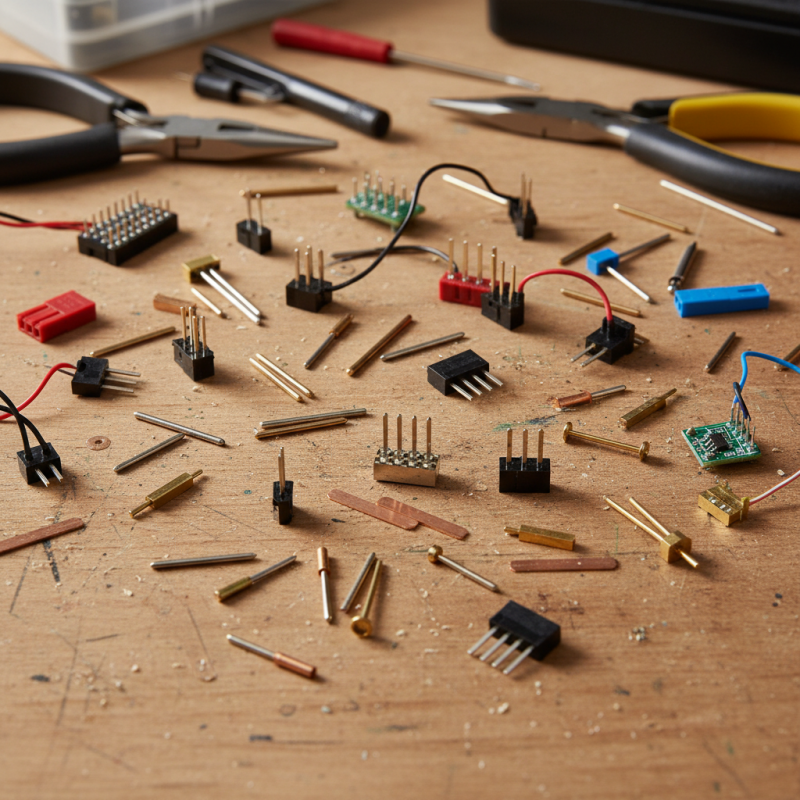
Understanding Different Types of Electrical Pins and Their Applications
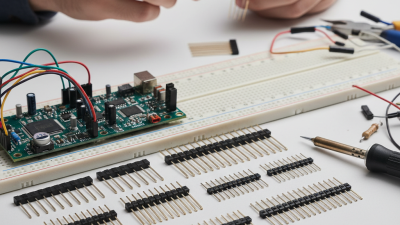
When selecting electrical pins for your projects, understanding their types and applications is crucial. Electrical pins come in various shapes and sizes. Each type serves specific functions. For instance, male and female pins connect different components securely. Choose pins based on your project’s requirements.
Consider durability and conductivity. Some pins are designed for high-frequency applications, while others work well in low-voltage settings. Pay attention to material quality; poor materials can cause early failures. It’s vital to assess whether the pin can handle your project's environmental conditions, like moisture or temperatures.
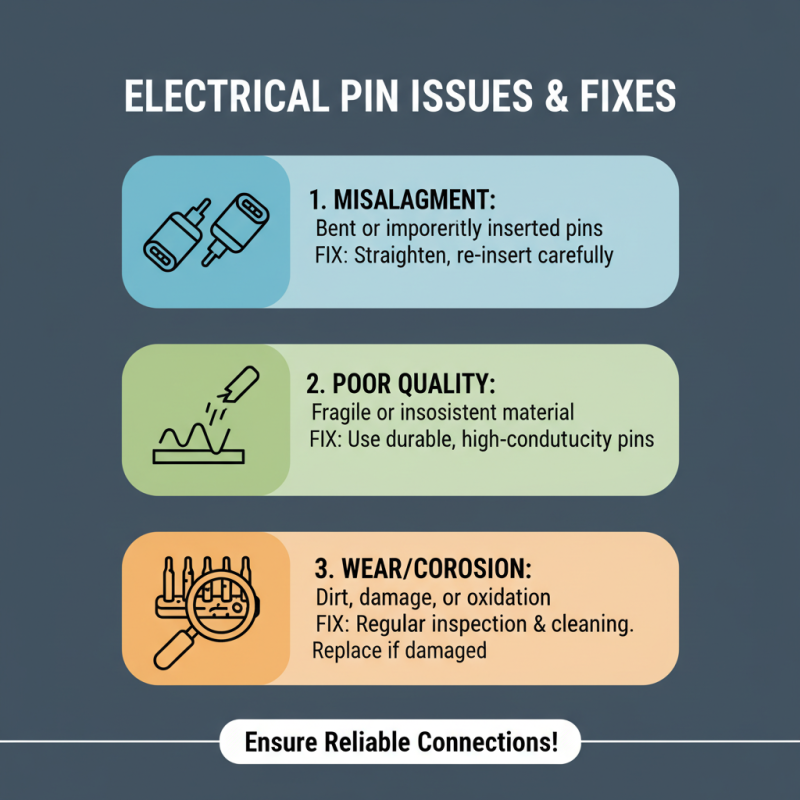
Installing these pins can be straightforward, but improper choices can lead to problems. A common mistake is using pins that don’t match the component's specifications. This can cause connection issues and malfunctions. Testing is sometimes overlooked, but it's essential for ensuring reliability. Reflect on your choices and adapt as necessary. The right electrical pin can enhance performance and longevity in your projects.
Key Factors to Consider When Selecting Electrical Pins for Your Project
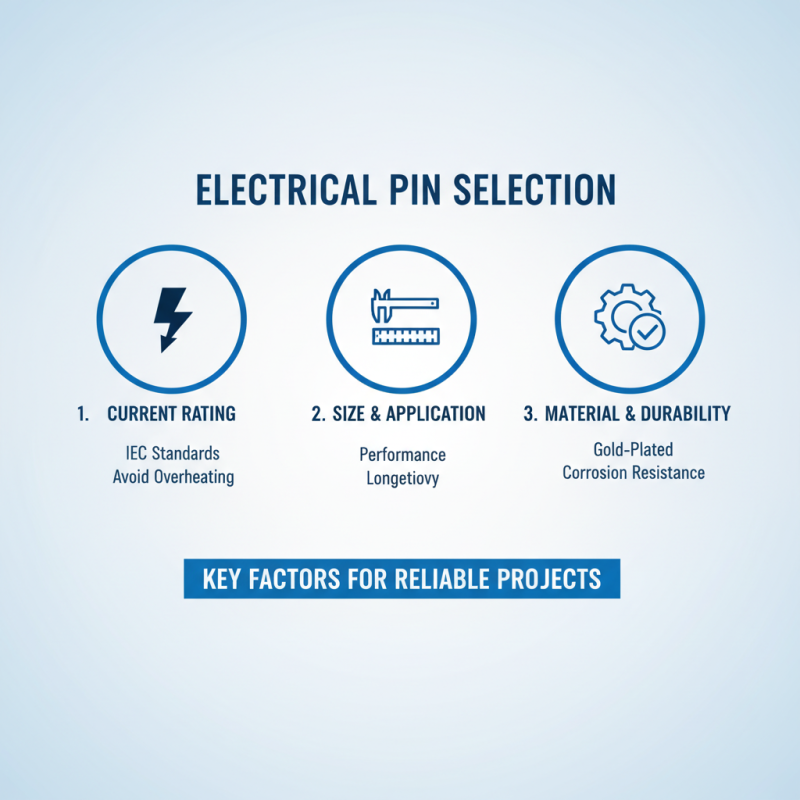
When selecting electrical pins for your projects, several key factors come into play. The primary consideration is the pin's current rating. According to the International Electrotechnical Commission (IEC), the correct rating ensures that the pins can handle the electrical load. Using pins that are underrated can lead to overheating or failure. Proper sizing based on the application can significantly impact performance and longevity.
Another critical aspect is mechanical durability. Pins should withstand repeated insertion and removal, especially in prototyping environments. The Institute of Electrical and Electronics Engineers (IEEE) recommends examining pin material and coating. High-quality materials reduce wear, while surface coatings enhance corrosion resistance. This detail is often overlooked but crucial for ensuring reliable connections in diverse conditions.
Pin compatibility with connectors is essential. Different designs may be required for specific applications, leading to potential mismatches. Reports indicate that a third of electrical failures in devices can stem from poor connections. Additionally, considering environmental factors, like humidity or exposure to chemicals, can further influence the selection process. Understanding these nuances can lead to better decision-making in the design phase, ultimately improving overall project reliability.
Comparing Material Options for Durability and Performance in Electrical Pins
Choosing the right materials for electrical pins is crucial. The durability and performance of these components can significantly impact project outcomes. A recent industry report highlighted that brass and copper alloy pins are favored for their excellent conductivity. However, they might face corrosion under specific conditions.
On the other hand, stainless steel pins offer superior resistance to harsh environments. They can withstand high temperatures and moisture. Data reveals that stainless steel pins have a longer lifespan, reducing the need for frequent replacements. Yet, they may have slightly lower conductivity than their brass counterparts.
Another alternative is nylon insulators, which add insulation properties. These plastic components are lightweight and resistant to wear but have limits on temperature and mechanical strength. Understanding the right material choice is essential, and sometimes trial and error is necessary to find the best fit for specific project requirements.
Best Practices for Installing Electrical Pins in Various Projects
When installing electrical pins, attention to detail is crucial. Ensure your workspace is clean and organized. This helps avoid mistakes. Always double-check your measurements. A small error can lead to significant issues later on.
Use appropriate tools for installation. The right tools ensure precision and safety. Choose pins based on the specific requirements of your project. Different applications need different specifications. Understand the voltage and current ratings of your pins. This knowledge is fundamental to project success.
Take your time during installation. Rushing can lead to improper connections. Test each pin after installation to verify they work correctly. Regular maintenance is also essential. Pins can wear over time, impacting their reliability. Reflecting on previous projects can reveal areas for improvement. Keep records and learn from your experiences.