What is a Printed Circuit Board and How is it Used?
Printed Circuit Boards (PCBs) are essential components in modern electronics. They serve as the backbone for devices ranging from smartphones to medical equipment. According to industry reports, the global PCB market is expected to reach $75 billion by 2025. This reflects the increasing demand for advanced electronics and the miniaturization of components.
PCBs provide the necessary connections for electronic components. They enable efficient signal transmission and support complex circuit designs. The evolution of PCBs has been shaped by advancements in technology and the need for greater functionality. However, the rise of miniaturized devices often leads to challenges in design. The balance between size, performance, and cost can be difficult to achieve.
A deeper understanding of PCBs reveals their critical role in innovation. As the demand for smart devices grows, so does the need for sophisticated PCB manufacturing techniques. Researchers and manufacturers must constantly adapt. They face the challenge of integrating new materials and processes while ensuring reliability and performance. Exploring these complexities highlights both the importance and the evolving nature of Printed Circuit Boards in our daily lives.
What is a Printed Circuit Board (PCB)?
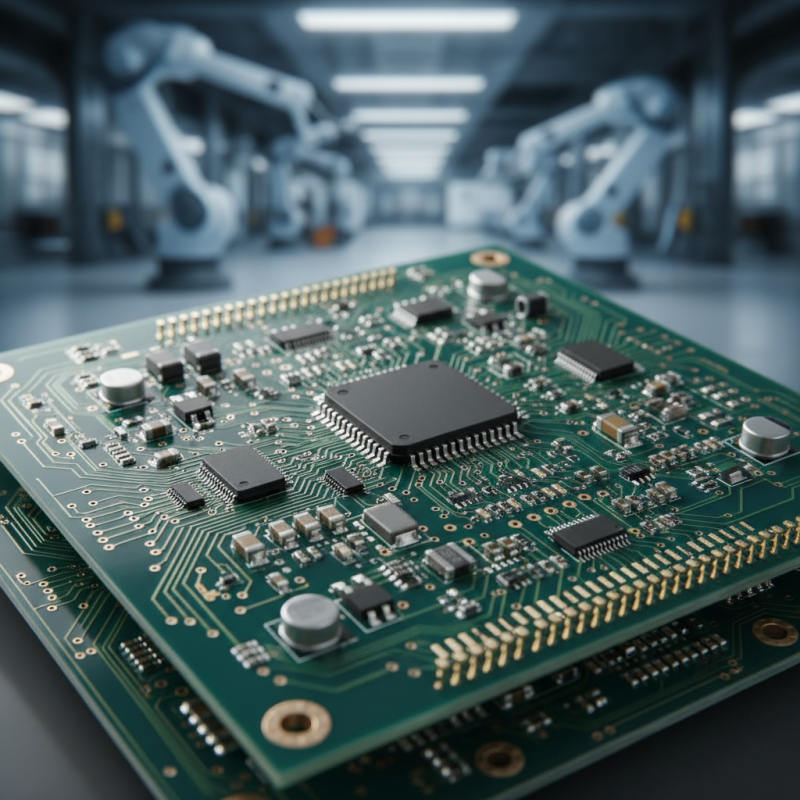
A Printed Circuit Board (PCB) is a vital component in electronics. It serves as the foundation for connecting electronic components like resistors, capacitors, and chips. These connections are made through conductive pathways etched into a non-conductive substrate. Often made of materials such as fiberglass or plastic, PCBs can vary in complexity, from simple to multi-layer designs.
In everyday use, PCBs are found in countless devices. They power smartphones, computers, and appliances. When you press a button on your device, the PCB helps send the signal to perform the action. Despite their importance, not all PCBs are created equal. Issues can arise during manufacturing, leading to malfunctions. Sometimes, the design fails to accommodate specific requirements, causing inefficiencies.
Understanding PCBs is crucial for anyone in electronics. Even small errors in layout can lead to significant problems down the line. Designers often reflect on their processes to improve future projects. It's a continuous learning journey. As new technologies emerge, the role of PCBs evolves, bringing both challenges and opportunities.
What is a Printed Circuit Board and How is it Used?
| Component |
Function |
Material |
Common Uses |
| Resistor |
Limits current flow |
Carbon or Metal Film |
Power supplies, Amplifiers |
| Capacitor |
Stores electrical energy |
Ceramic or Electrolytic |
Timing circuits, Filters |
| Inductor |
Stores energy in a magnetic field |
Copper Wire |
Power supplies, Audio equipment |
| Diode |
Allows current to flow in one direction |
Silicon |
Rectifiers, Signal demodulation |
| Transistor |
Amplifies or switches electronic signals |
Silicon |
Computers, Radio transmission |
The Components and Layers of a PCB
Printed Circuit Boards (PCBs) are essential in modern electronics. They feature various components and multiple layers that work together to ensure functionality. A typical PCB comprises a substrate, conductive pathways, and layers for various components. These layers can house resistors, capacitors, and integrated circuits, which communicate and function as a unit.
The composition of PCBs varies significantly. Most commonly, FR-4 epoxy resin is used as the substrate due to its durability and insulating properties. According to a report by Research and Markets, the global PCB market is projected to reach $83.3 billion by 2026, demonstrating the importance of this technology. Each layer in a multi-layer PCB can contain up to 100 circuits, making them compact yet powerful.
However, there are areas for improvement. Manufacturers face challenges like ensuring layer adhesion and minimizing the risk of circuit failure. Approximately 20% of PCB failures come from flaws in layer construction. Reviewing and improving design processes is crucial. Understanding these components and layers can help guide better production practices in the industry. The evolution of PCBs continues to reshape the electronics landscape, pushing for innovation and quality assurance.
How PCBs are Manufactured: Process Overview
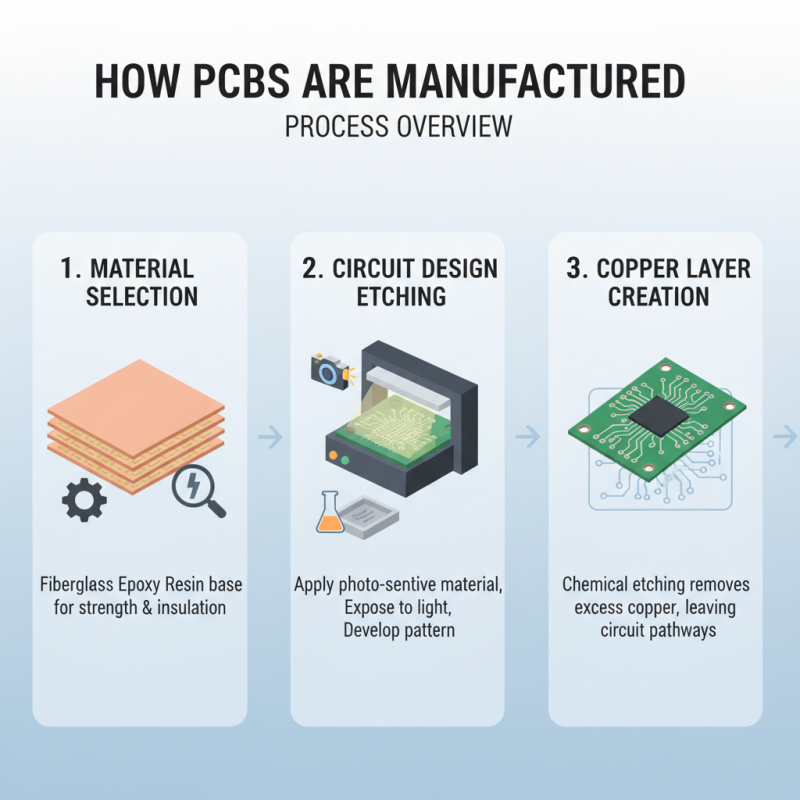
The manufacturing process of Printed Circuit Boards (PCBs) is intricate and requires precision. It typically begins with material selection, usually a fiberglass epoxy resin. This base provides the strength and insulation needed for electronic components. Once the material is chosen, the photographic etching method is often employed to design the circuit pattern. This involves applying a layer of photo-sensitive material, exposing it to light, and then developing it to create a blueprint for the copper layers.
After developing the initial layout, the actual circuit traces are etched using chemical solutions. It’s crucial to ensure the etching process is uniform to avoid circuit defects. Reports indicate that improper etching can increase manufacturing costs by up to 15% due to rework and scrapping of defective boards. Quality control during this phase is essential to maintain reliability.
**Tip:** Ensure that your PCB supplier follows strict quality control procedures. This will minimize defects and enhance overall product quality.
After etching, components are soldered onto the PCB surface. This is commonly done through automated selective soldering machines. This method greatly increases production efficiency and can lead to a reduction in labor costs by 20%. However, soldering can sometimes create weak points if not executed correctly. Continuous improvement and monitoring of soldering techniques are vital for long-term success.
**Tip:** Regularly review soldering practices with your team to identify areas that may need refinement. This can help achieve a more robust final product.
Common Applications of Printed Circuit Boards
Printed Circuit Boards (PCBs) are crucial in modern electronics. They provide the foundation for electrical connections between various components. Common applications of PCBs span a wide range of industries, highlighting their versatility.
In the telecommunications sector, PCBs facilitate communication by organizing circuits in devices like smartphones and routers. They enable seamless data transmission and manage power distribution efficiently. In consumer electronics, PCBs are at the heart of products like televisions and gaming consoles, allowing complex functions in a compact form.
Automotive applications are also notable. PCBs manage functionalities in vehicles, such as engine control, navigation systems, and safety features. They contribute to the reliability of these essential systems. However, designers often face challenges in optimizing size and durability. The complexity of modern devices can lead to difficulties in layout and manufacturing. As technology advances, the need for innovation in PCB design continues to grow.
Common Applications of Printed Circuit Boards (PCBs)
Advantages of Using PCBs in Electronic Devices
Printed Circuit Boards (PCBs) play a crucial role in modern electronics. They provide a compact and efficient way to connect electronic components. By employing conductive pathways etched on a non-conductive substrate, PCBs allow for a more organized assembly of circuits. This design reduces the physical space needed for complicated circuits.
One major advantage of using PCBs is their reliability. With fewer soldered joints than traditional wiring, PCBs minimize the risk of connection failures. They can withstand vibration and temperature changes, making them ideal for various applications. PCBs are also cost-effective. The mass production of PCBs lowers manufacturing expenses, which can be beneficial in competitive markets.
Despite these benefits, there are challenges. Designing a PCB requires precision. A slight error can lead to circuit failure. Moreover, the initial setup cost for PCB production can be high, which may deter small businesses. These factors reveal that while PCBs are beneficial, they demand careful planning and consideration. In the evolving tech landscape, understanding these nuances is key to leveraging their advantages effectively.