Top 10 Best Terminal Block Connectors You Should Know?
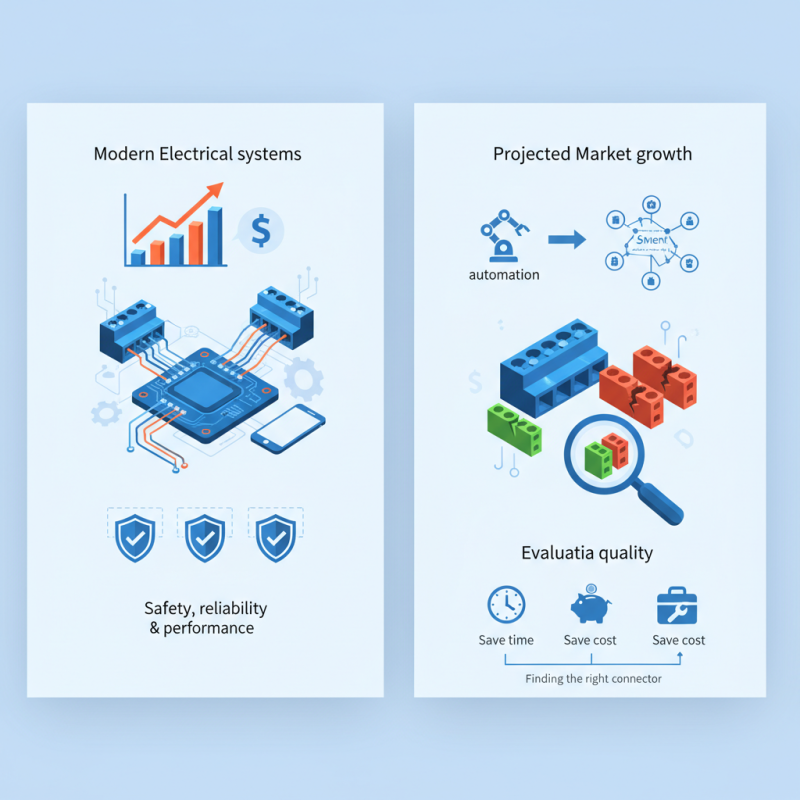
Terminal Block Connectors play a vital role in modern electrical systems. According to industry reports, the global terminal block market is projected to reach $4.5 billion by 2026. These connectors enhance safety, reliability, and performance in various applications, from industrial machinery to consumer electronics.
The rise in automation further boosts the demand for terminal block connectors. As industries adopt smart technologies, the need for efficient wiring solutions grows. Yet, not all terminal blocks are created equal. Some manufacturers might cut corners, leading to potential failures. Evaluating quality is essential.
Understanding the options available can save time and cost in the long run. With numerous products on the market, finding the right terminal block connector is crucial. This guide will help navigate through the top choices, highlighting features, benefits, and potential pitfalls. Your success in electrical projects may depend on choosing wisely.
Understanding Terminal Block Connectors: An Overview
Terminal block connectors are essential components in electrical systems. They provide a convenient way to connect multiple wires securely. These connectors help in organizing wiring and ensuring safety by preventing accidental disconnections.
Understanding their structure is vital. Typically, a terminal block consists of a plastic body with metal contacts inside. The wire is inserted and secured, often with a screw. There are various types, including screw, spring, and push-in connectors. Choosing the right type can be challenging. You need to consider factors like wire size and current capacity. Some users may overlook these details and face connectivity issues later.
These connectors are used in a variety of applications, from home appliances to industrial machinery. They simplify complex wiring tasks. However, not everyone understands their significance right away. Users sometimes mix up connections, leading to potential hazards. A clear understanding can help prevent these errors and ensure a more efficient setup.
Key Features to Consider When Choosing Terminal Block Connectors
When selecting terminal block connectors, several key features demand your attention. First, consider the material. Most connectors are made from plastic or metal. Plastic options are lightweight, but metal ones may offer better durability. The difference matters for long-term use. Look for connectors that can withstand high temperatures and resist environmental factors.
Next, pay attention to the number of poles available. More poles allow for complex wiring setups. Decide the number you need based on your project. Keep in mind that an overly complicated layout can lead to confusion. Ease of installation should also be in your checklist. Some connectors allow for tool-free wiring, while others require specialized tools. Simple installations can save time and reduce errors.
Finally, think about the voltage and current ratings. Ensure the connectors can handle your system’s requirements. Using connectors with insufficient ratings can lead to failures or hazards. Reflect on the size as well. Larger connectors may be more robust, but they can take up unnecessary space. Choose wisely to strike a balance between capacity and practicality.
Top 10 Best Terminal Block Connectors
| No. |
Connector Type |
Number of Contacts |
Current Rating (Amps) |
Voltage Rating (Volts) |
Material |
Key Features |
| 1 |
Screw Terminal |
2 |
10 |
300 |
Copper |
Easy Assembly |
| 2 |
Push-In Terminal |
3 |
16 |
400 |
Brass |
Tool-Free Installation |
| 3 |
Spring Terminal |
4 |
20 |
250 |
Aluminum |
Vibration Resistant |
| 4 |
Blade Terminal |
2 |
30 |
600 |
Copper |
Compact Size |
| 5 |
DIN Rail Terminal |
6 |
15 |
500 |
Nylon |
Modular Design |
| 6 |
Housing Terminal |
5 |
12 |
300 |
Thermoplastic |
High Insulation |
| 7 |
Socket Terminal |
3 |
18 |
250 |
Copper Alloy |
Easy Disassembly |
| 8 |
Tab Terminal |
4 |
25 |
500 |
Nickel-Plated |
Anti-Corrosion |
| 9 |
Rocker Terminal |
2 |
28 |
350 |
Polycarbonate |
Ergonomic Design |
| 10 |
Barrier Terminal |
8 |
40 |
600 |
Plastic |
Safety Features |
Top 10 Terminal Block Connectors: A Comprehensive Review
When it comes to connecting electrical components, choosing the right terminal block connectors is crucial. They offer safety and reliability in various applications. A quality connector can prevent electrical faults and ensure a stable connection. Look for features like durability and ease of use. Some connectors come with screw terminals, while others may offer push-in technology. The choice often depends on the specific requirements of your project.
You’ll find that finding the right fit can be challenging. Different connectors serve different purposes; some resist moisture better, while others handle higher temperatures. This variability means you may need to experiment. Checking specifications and compatibility is essential. A mismatch can easily lead to issues. It’s important to consider the environment in which your connectors will operate.
Wiring diagrams can be confusing. Sometimes, the right connector is still hard to identify. You might even face difficulties while installing them. Ensuring proper torque and alignment helps. Yet, missteps can happen. Learning from these moments can enhance your future choices. Ultimately, understanding your needs is key to making an informed selection.
Top 10 Best Terminal Block Connectors
Comparative Analysis of Terminal Block Connectors for Various Applications
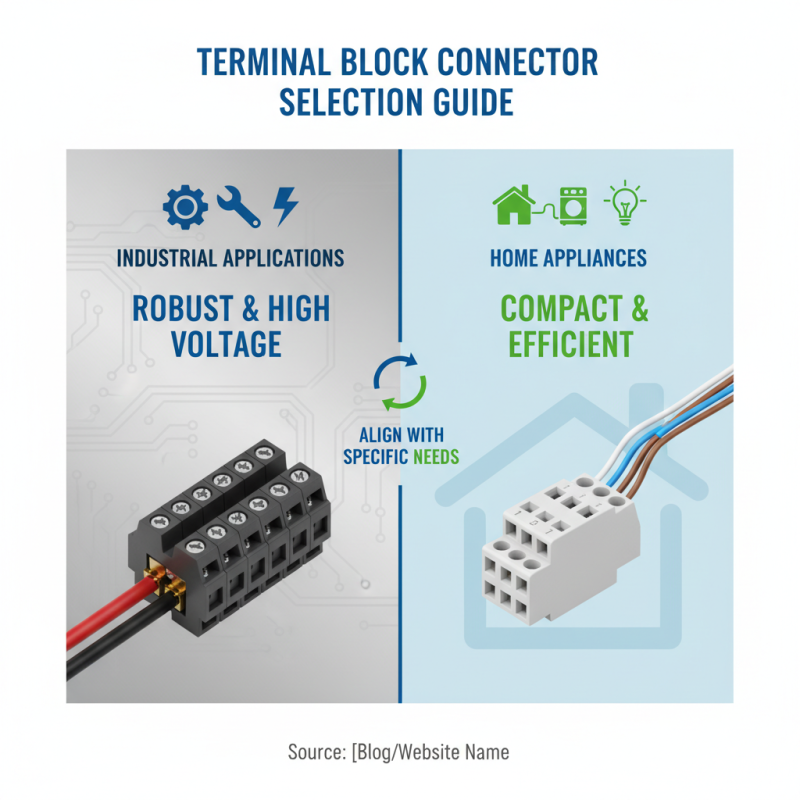
When selecting terminal block connectors, understanding their applications is vital. Different environments require different specifications. For industrial uses, robust connectors with high voltage ratings are key. Meanwhile, for home appliances, compact designs may be more appropriate. It's important to align the connector type with your specific needs.
**Tip:** Always check the insulation rating. Poor insulation can lead to voltage leaks.
In automotive applications, connectors must withstand vibrations and thermal changes. Look for snap-on or locking mechanisms for secure connections. A mismatch can result in system failures or safety issues. Consider the material as well. Some materials may not perform well in high temperatures.
**Tip:** Invest in quality testing tools. They help ensure connections are secure before full implementation.
Finally, consider the ease of installation. Complex connectors may save space but can complicate maintenance. Simplifying the installation process can save time and resources later. Remember, making an informed choice today prevents headaches tomorrow.
Maintenance Tips for Optimal Performance of Terminal Block Connectors
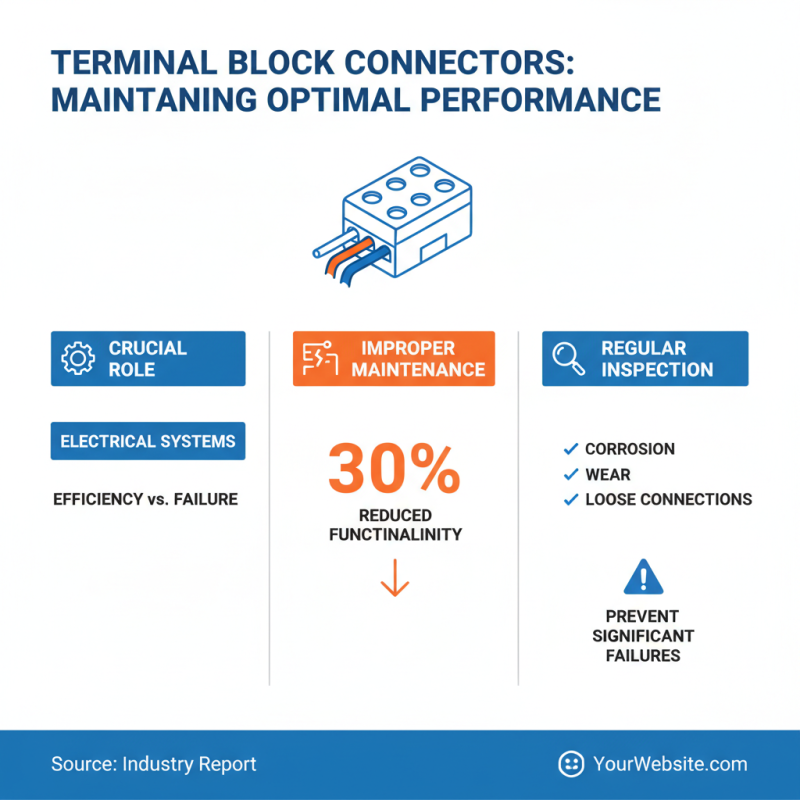
Terminal block connectors play a crucial role in electrical systems. Ensuring their optimal performance can be the difference between efficiency and failure in various applications. A recent industry report highlights that improper maintenance can reduce functionality by as much as 30%. Regular inspection is essential. Look for signs of corrosion, wear, and loose connections. These small issues can lead to significant electrical failures.
Cleaning terminal blocks regularly is vital. Dust and grime build-up can create resistance. Using a non-conductive cleaner can enhance conductivity. According to a study, clean connectors can improve performance by nearly 25%. Tightening screws and ensuring proper fit can also prevent connection loss. A loose terminal can cause overheating, which might lead to dangerous situations.
Heat management is another critical factor. Excessive heat can damage connectors. Maintaining the operating environment within recommended levels is necessary. Install connectors away from heat sources. Remember, over time, materials can degrade. Routine checks on aging connectors should not be overlooked. They may need replacement sooner than expected.