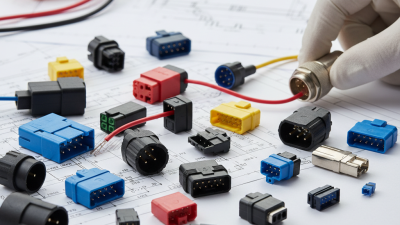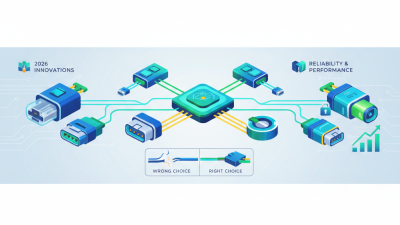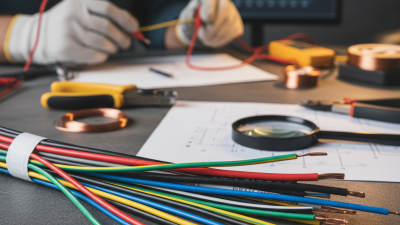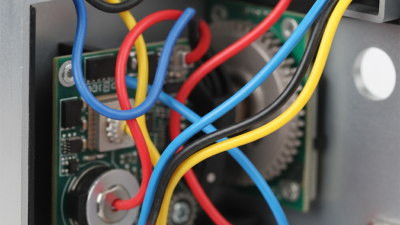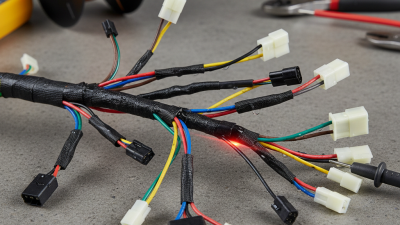
In today's automotive industry, understanding Auto Electrical Connectors is essential. The global market for automotive connectors is projected to reach $XX billion by 2025, reflecting a significant growth trend. As vehicles become more advanced, the need for reliable electrical connections increases. These connectors ensure safe power distribution and data transmission within modern vehicles.
Auto Electrical Connectors play a critical role in vehicle performance. Poor quality connectors can lead to failures, which may result in costly repairs. Numerous studies highlight that up to 30% of automotive electrical issues stem from faulty connectors. This statistic emphasizes the importance of selecting the right components for various applications.
The growing adoption of smart automotive technologies calls for connectors that meet stringent standards. Certification like ISO and CE is crucial for suppliers. As the demand for high-quality connectors rises, innovation in design and materials is necessary. However, the challenge remains: ensuring quality while managing costs. The balance between performance and expense is something the industry continuously grapples with.
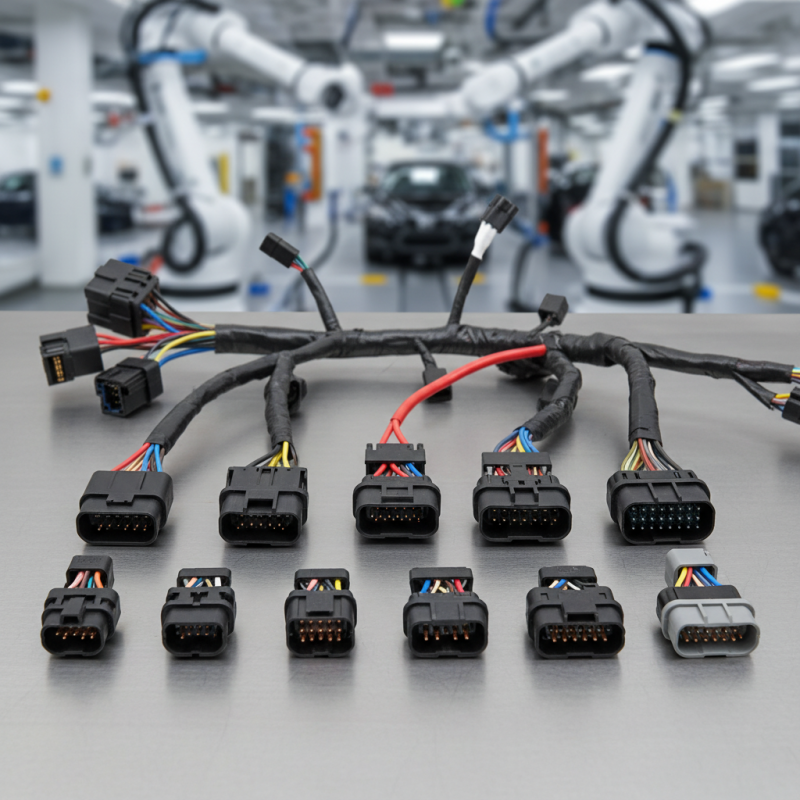
Auto electrical connectors play a vital role in the functioning of vehicles. These components link various electrical systems together. They ensure that power and signals are transmitted efficiently. A well-designed connector can enhance the reliability of the entire vehicle's electrical setup. Poor-quality connectors, however, can lead to failures and malfunctions.
The importance of these connectors cannot be overstated. They are present in every car, linking essential systems like the ignition, lighting, and sensors. Even a small connector issue can cause significant problems, leading to costly repairs. Ensuring that high-quality materials are used in connectors is essential. Often, maintenance checks on these parts are overlooked. This neglect can result in unexpected breakdowns. Regular inspection and timely replacement can prevent these frustrating situations.
Understanding the different types of connectors is also important. Some designs are intended for high-current applications, while others work for low-voltage signals. This specialization can impact vehicle performance significantly. Selecting the right connector for the job matters. However, many often underestimate this choice. Ignoring the specifics may lead to compatibility issues down the line.
Auto electrical connectors are essential components in vehicles, facilitating the transmission of electrical signals between different systems. The chart above illustrates the percentage usage of various types of connectors, highlighting their importance in automotive applications.
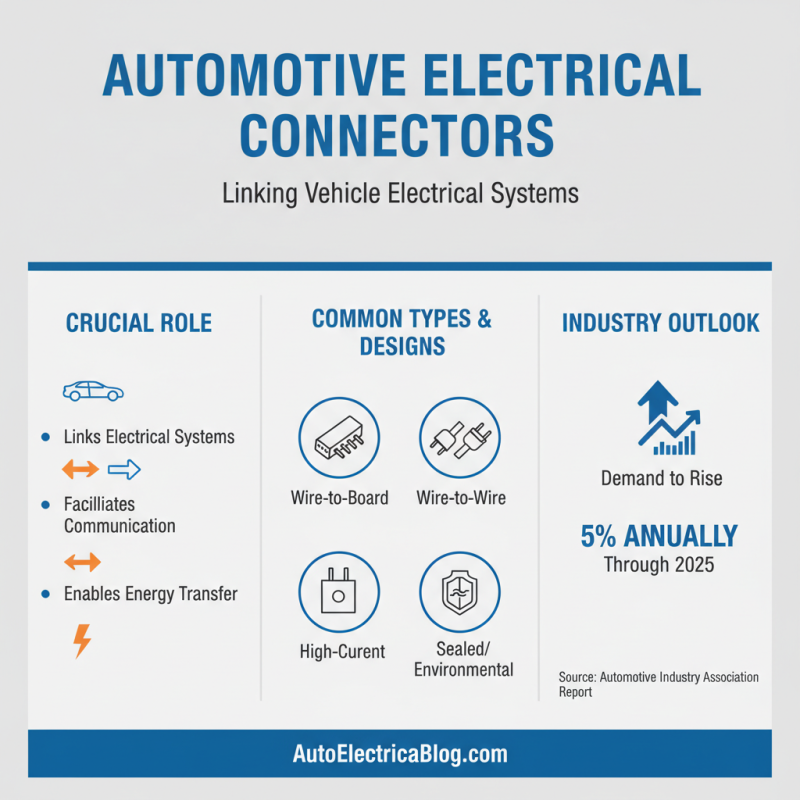
Auto electrical connectors play a crucial role in automotive applications. These connectors link various electrical systems, facilitating communication and energy transfer. They come in many types and designs, each tailored for specific functions. A report from the Automotive Industry Association highlights that the demand for reliable connectors is expected to rise by 5% annually through 2025.
Common types include sealed connectors, which protect against moisture and dust. These are essential in outdoor vehicles. Unsealed connectors, while cheaper, often fail in harsh conditions. Terminator connectors are also vital, allowing easy termination of electrical circuits. Having the right connector type is essential for vehicle performance and reliability.
**Tip:** Always check the specifications before choosing connectors. Ensure they fit your application perfectly. Remember, using mismatched connectors can lead to costly repairs. Regular maintenance and inspection of connectors can prevent unexpected issues. Look for signs like corrosion or wear. Address them promptly to maintain electrical integrity.
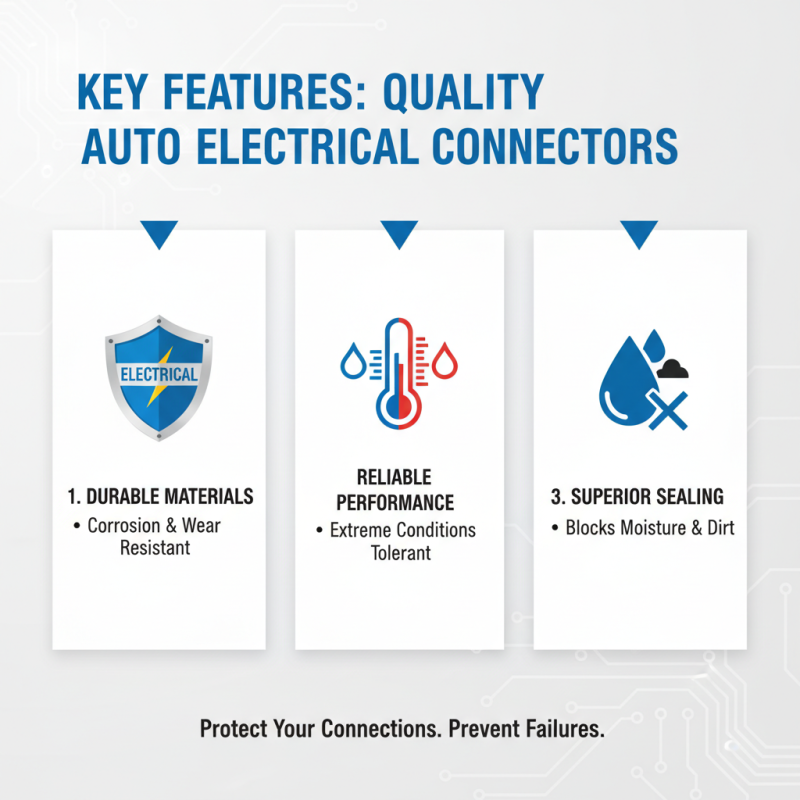
When choosing auto electrical connectors, key features matter greatly. Look for connectors made from high-quality materials. They should resist corrosion and wear over time. A good connector has consistent performance even in extreme conditions. Sealing is vital. Connectors must prevent moisture and dirt from entering. This protects the electrical connection from damage. Poorly sealed connectors can lead to failures.
Consider compatibility as well. Connectors should fit various applications. This flexibility can save time and money during repairs. Locking mechanisms are crucial too. They must securely hold connections in place, preventing accidental disconnections. Think about ease of use. Connectors should be simple to install. Complicated designs lead to frustration and potential errors.
Lastly, check the specifications. Voltage and current ratings must match your needs. A mismatch can cause overheating or failure. Reflect on longevity. Choosing a connector that lasts can prevent future issues. Sometimes, the cheaper options seem tempting, but they may disappoint later. Prioritize quality over cost to ensure reliability.
Auto electrical connectors play a crucial role in vehicle performance. Over time, issues like corrosion and loose connections can arise. A study by the Society of Automotive Engineers found that over 30% of electrical faults in vehicles are due to poor connectors. These problems can lead to failures in critical systems like lighting and ignition.
Troubleshooting these connectors is essential. Begin by visually inspecting connections for signs of wear, corrosion, and dirt. A clean connection can prevent future troubles. If you encounter intermittent issues, gently wiggling the connector can help identify weak points. In many cases, replacing a faulty connector can save on larger repair costs. A 2022 industry report showed that addressing connector issues early can reduce service visits by up to 40%.
Do not overlook any connector during maintenance. Ignoring minor indicators can lead to major problems later. For instance, a simple frayed wire could affect multiple systems. Understanding the importance of connectors is vital for optimal vehicle operation. Stay proactive and informed about common electrical issues.
| Connector Type | Common Issues | Troubleshooting Tips |
|---|---|---|
| Weatherpack Connector | Corrosion, Moisture ingress | Use dielectric grease, ensure proper sealing |
| Deutsch Connector | Loose connections, Pulling apart | Check lock and secure fit, replace damaged parts |
| Molex Connector | Overheating, Burn marks | Inspect for pin damage, ensure proper size and load rating |
| JST Connector | Wiring issues, Signal loss | Recheck wiring layout, check for shorts |
| AYM Connector | Contact failure, Vibration | Secure connections, Use locking tabs |
| Terminal Block Connector | Short circuit, Loose wires | Tighten connections, Inspect insulation |
| Circular Connector | Misalignment, Dirt accumulation | Ensure proper alignment, Clean contacts |
| RCA Connector | Signal interference, Loose fit | Check for dirt on connectors, Replace if worn |
| Banana Plug Connector | Poor connections, Oxidation | Clean regularly, Ensure tight fitting |
| USB Connector | Data loss, Loose connection | Ensure firm plug-in, Check for dirt |
When installing auto electrical connectors, following best practices can enhance durability and reliability. Start by ensuring that the surfaces are clean. Dirt and grease can cause poor connections. Use a wire brush or cleaning solution for solid contact.
Tips: Always check the fit before securing. A loose connector can lead to intermittent electrical problems. Additionally, use proper tools to avoid damaging the connectors during installation.
Regular maintenance is essential. Inspect connectors periodically for signs of corrosion or wear. This can help prevent future issues. If you notice any damage, replace the connector promptly.
Tips: Keep spare connectors handy. It’s better to replace a faulty connector immediately than to deal with bigger problems later. Regular inspection saves time and effort in the long run.