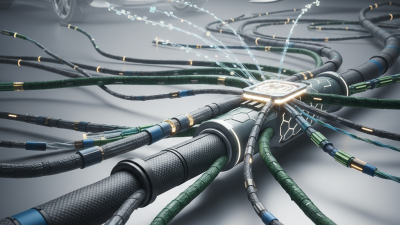
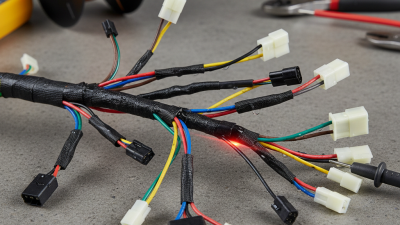
Top Electrical Harness Suppliers in China for Global Buyers?
The global demand for Electrical Harnesses has surged in recent years, driven by the growth of industries like automotive and aerospace. According to a report by Markets and Markets, the global electrical harness market is projected to reach $134.2 billion by 2025. This significant value reflects the industry's crucial role in ensuring efficient connectivity and functionality in modern electronic systems.
Experts like Dr. John Thompson, an electrical engineering specialist, emphasize the importance of quality in this sector. He states, "A reliable electrical harness is the backbone of any electronic system." This highlights the need for buyers to consider the expertise and reputation of suppliers. In China, a hub for manufacturing, various suppliers offer innovative solutions. However, ensuring that these suppliers meet international standards can be challenging.
Selecting the right partner in this domain requires careful evaluation. Buyers must assess not only the costs but also the reliability and durability of the products. Striking a balance between affordability and quality is essential. While the Chinese market presents many opportunities, it also poses risks. Engaging with reputable suppliers can mitigate these challenges, ultimately leading to better outcomes for global buyers in the electrical harness industry.
Overview of Electrical Harness Supply Market in China
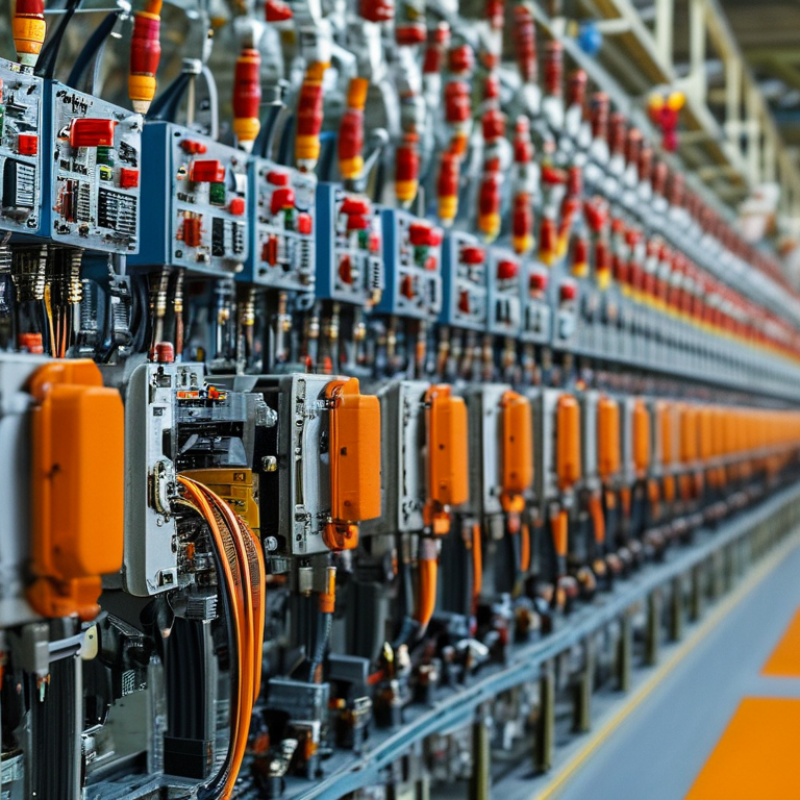
The electrical harness supply market in China is thriving. It is fueled by rising demand from various industries such as automotive, aerospace, and electronics. Companies are increasingly searching for efficient wiring solutions that guarantee reliability and safety. The competitive landscape encourages innovation. Vendors work tirelessly to improve their production methods.
Many suppliers focus on quality control. However, not all adhere to the same standards. Buyers can find discrepancies in quality across different suppliers. It’s crucial to conduct thorough research before making commitments. Manufacturing practices can vary widely, affecting the final product. Ultimately, buyer diligence determines the success of partnerships in this market.
Sustainability is becoming a priority. Some manufacturers are exploring eco-friendly materials. While progress is visible, the transition is slow. Many supply chains still rely on traditional materials. This poses challenges for environmentally conscious buyers. Navigating this evolving landscape requires expertise and vigilance.
Key Factors Driving Demand for Electrical Harnesses Globally
The demand for electrical harnesses is growing rapidly. Several factors contribute to this trend. One significant driver is the booming automotive industry. As electric vehicles gain popularity, manufacturers require specialized harnesses for efficient energy distribution. This niche demands high-quality production, pushing suppliers to innovate continuously.
Another factor is the expansion of the electronics market. From consumer devices to industrial machinery, the need for reliable wiring solutions is evident. Buyers seek harnesses that enhance performance and safety. This creates opportunities for suppliers to develop new designs and materials that meet diverse needs.
However, challenges exist. Suppliers must navigate fluctuating material costs and stringent quality standards. Maintaining consistency in production can prove difficult. Companies must be proactive in addressing these issues to remain competitive in an evolving market. The future of electrical harnesses hinges on adaptability and precision in manufacturing processes.
Top Electrical Harness Manufacturers in China
China has become a key player in the global electrical harness market. With growing demand, many manufacturers are stepping up to deliver high-quality products. These manufacturers focus on innovation and efficiency to meet international standards. They emphasize the use of advanced technology in their production processes. This ensures durability and reliability in electrical harnesses.
Many suppliers offer customized solutions. This helps businesses address specific needs. It can be challenging to navigate the many options available. Not every manufacturer adheres to strict quality control. Potential buyers should conduct thorough research before making decisions. Engaging with suppliers to ask questions can reveal useful insights. The level of expertise in each company varies, impacting their production capabilities.
Crafting a partnership with a reputable manufacturer is critical. A good relationship can foster transparency and better communication. Understanding the manufacturing process helps buyers make informed choices. Some factors to consider include production timelines, material sourcing, and after-sales support. Buyers should remain vigilant about evolving industry trends as well. Finding the right partner can lead to long-term success in this competitive market.
Evaluation Criteria for Selecting a Supplier
When selecting an electrical harness supplier in China, evaluation criteria are crucial. Buyers need to assess several factors to ensure they choose a reliable partner. Quality certifications are a must. Suppliers should have ISO 9001 or IATF 16949 certifications. These standards indicate adherence to industry best practices.
Another important criterion is production capacity. A supplier's ability to handle large orders without compromising quality is essential. According to industry reports, manufacturers with advanced machinery can produce up to 20% more efficiently. This efficiency translates to shorter lead times, which is vital for global supply chains.
Consider the supplier's experience in the industry. A supplier with over a decade of experience might have better insights into market trends. They can adapt quickly to changing demands.
Tips: Always ask for customer references. This helps gauge the supplier's reliability and performance history.
Additionally, communication is key. A supplier that responds quickly to inquiries indicates a commitment to customer service. Slow responses can lead to delays and misunderstandings.
Evaluating pricing structures is also necessary. While low prices are appealing, they can signal lower quality. Striking a balance between cost and quality should be the goal. Make these considerations a central part of your supplier selection process.
Top Electrical Harness Suppliers in China for Global Buyers
| Supplier Rating |
Manufacturing Capacity (units/month) |
Lead Time (weeks) |
Quality Certifications |
Export Experience (years) |
| 4.8 |
100,000 |
6 |
ISO 9001, IATF 16949 |
10 |
| 4.5 |
80,000 |
8 |
ISO 9001, CE |
5 |
| 4.2 |
50,000 |
10 |
ISO 13485 |
3 |
| 4.7 |
120,000 |
5 |
ISO 9001, RoHS |
8 |
| 4.6 |
60,000 |
7 |
ISO 9001, UL |
6 |
Future Trends and Innovations in Electrical Harness Industry
The electrical harness industry is evolving rapidly, driven by advancements in technology. Emerging trends showcase a shift toward lightweight materials. These materials enhance efficiency while reducing overall costs. Manufacturers are increasingly focusing on customization. Tailored solutions meet the specific needs of diverse industries.
Innovation is evident in smart harness designs featuring integrated sensors. These sensors enable real-time monitoring and diagnostics. As automation rises, the demand for smart electrical harnesses grows. This transition presents opportunities for professionals to develop new capabilities. Challenges remain in achieving compliance with safety standards while incorporating new technologies.
Sustainability is also a focal point for the future. The industry seeks eco-friendly materials and production methods. However, balancing performance and environmental impact is complex. Companies are exploring biodegradable options, but progress is slow. There’s a long journey ahead in addressing these persistent issues.
Future Trends in the Electrical Harness Industry