Top 10 Ffc Connector Types You Should Know About?
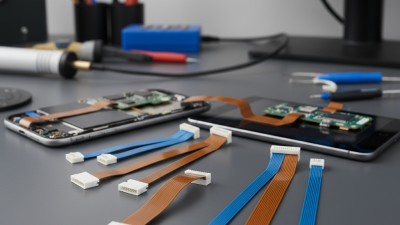
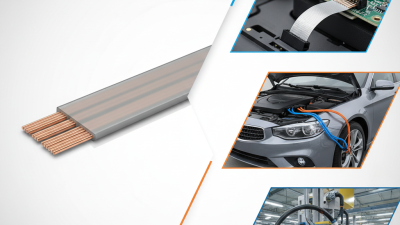
FFC connectors play a crucial role in modern electronics. These flexible flat cable connectors have gained popularity due to their compact design and reliability. They are widely used in various devices, from smartphones to industrial machinery. Understanding the different types of FFC connectors can help you make informed decisions when selecting components.
In this article, we will explore the top 10 FFC connector types you should know about. Each connector type has unique features suited for specific applications. Some connectors excel in high-speed data transfer, while others are designed for low-profile setups. It is essential to consider the specific requirements of your project.
While there are many types available, not all connectors will meet your needs perfectly. You may find yourself reflecting on which type is ideal for various situations. This exploration aims to shed light on the strengths and weaknesses of each connector type, ensuring you are better equipped to choose wisely.
Understanding FFC Connectors: A Brief Overview
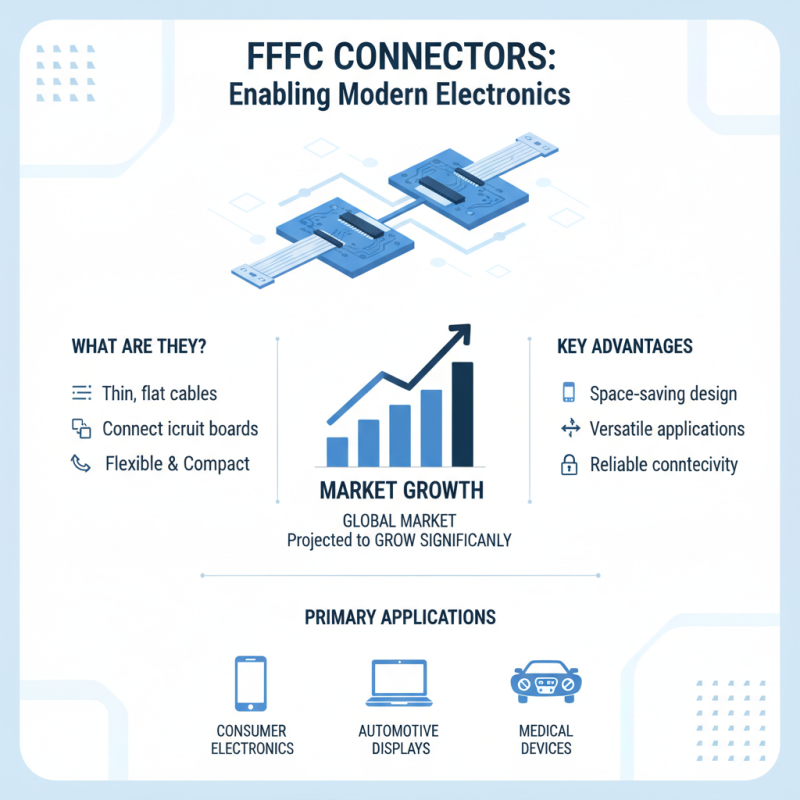
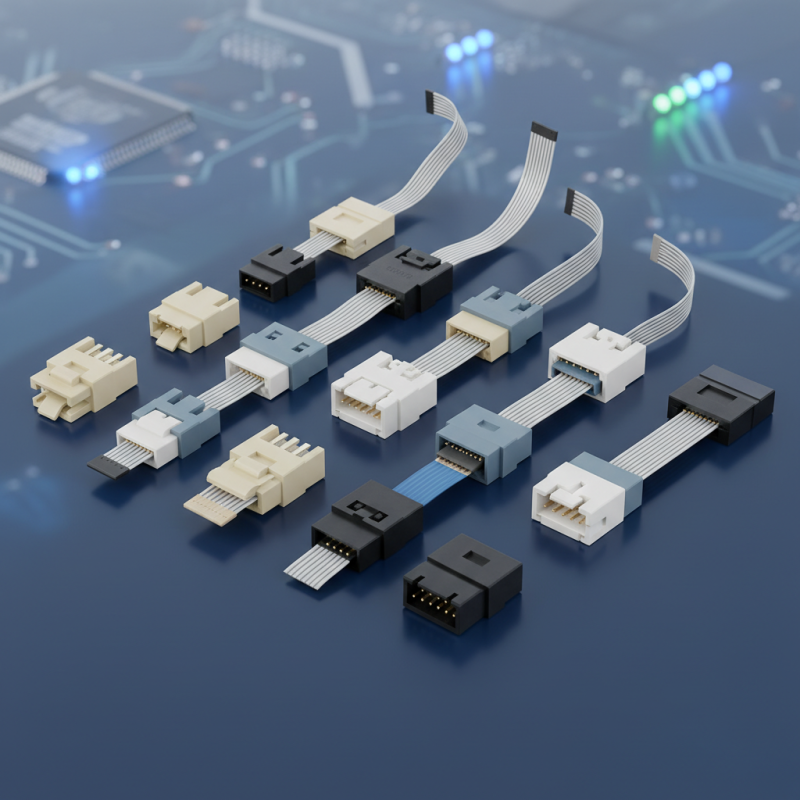
FFC connectors, or flexible flat cable connectors, play a crucial role in modern electronic devices. These connectors provide an efficient way to link circuit boards in compact spaces. Their thin profile allows for flexible designs, catering to various applications, particularly in consumer electronics. According to industry reports, the global FFC connector market is expected to grow significantly, driven by advancements in technology.
The design of FFC connectors is essential for their functionality. Most connectors feature multiple pin counts, typically ranging from 10 to 50 pins. This flexibility enables various configurations. High-density connections are becoming increasingly popular, presenting challenges in ensuring durability and reliability. Failure rates can be an issue. A study from a leading electronics organization indicated that improper handling of FFC connectors leads to a 10% increase in failure rates.
Moreover, material selection plays a key role in connector performance. Manufacturers often choose materials that resist corrosion and wear. However, there is still room for improvement in thermal resistance and signal integrity. Engineers are constantly seeking solutions to enhance these aspects. Despite progress, the reliance on specific materials can raise concerns about sustainability. It’s crucial to balance performance with environmental impact in future designs.
Key Characteristics of FFC Connector Types
Flexible Flat Cable (FFC) connectors are vital for many electronic applications. They come in various types, each with unique characteristics. Understanding these can guide better design choices.
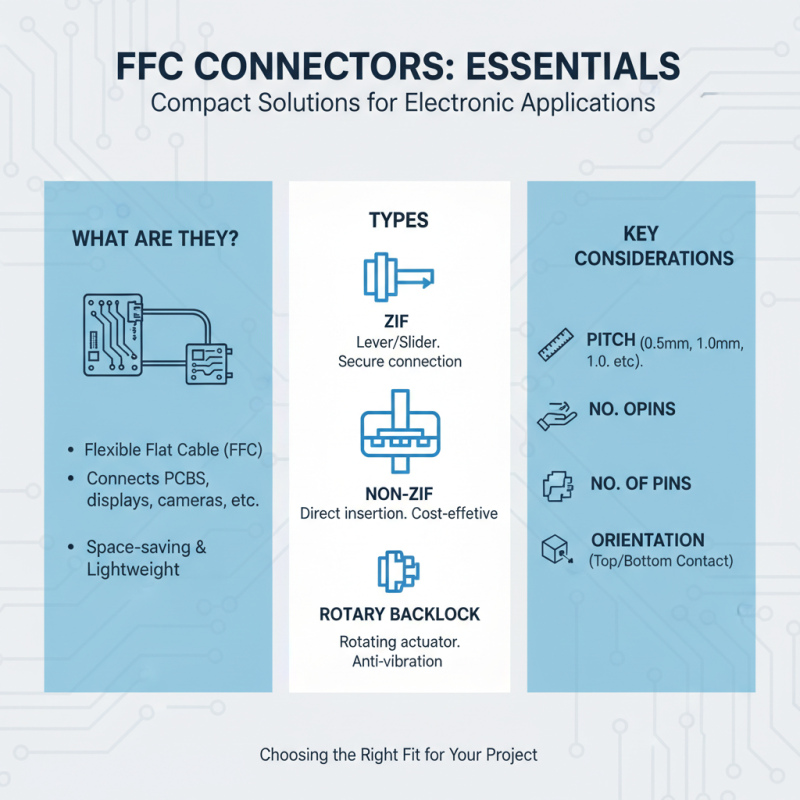
One common type is the ZIF connector. This type offers a low-profile design and allows for easy insertion and extraction of cables. The locking mechanism provides a secure connection, ideal for compact devices.
Another type, the non-ZIF connector, is simpler but may lack some security features. Users often find one type easier to work with than the other.
The pitch size is key when selecting FFC connectors. Smaller pitches save space but can complicate assembly. Some might wonder if they need the smallest pitch available. It’s important to match the connector with the application requirements. Different materials can affect durability, too. Using the wrong material can lead to signal issues. Hence, it's worth considering the specific needs of your project.
Applications of Each FFC Connector Type
FFC connectors are crucial in many electronic devices. Each type serves different applications. For example, the slim design of the 0.5mm pitch connectors makes them ideal for compact devices. These connectors are commonly found in laptops and smartphones. They save space without compromising performance.
Another type is the 1.0mm pitch connector. This option is often used in larger devices. They provide robust connections, perfect for power applications. These connectors ensure reliable performance in industrial settings. Additionally, there are flexible versions that adapt better to dynamic movements, like in wearables or robotics.
Different FFC connectors also cater to specific environments. For instance, connectors with a locking mechanism offer stability in rugged conditions. They prevent accidental disconnections during operation. However, one must consider the challenges in choosing the right type. Not every connector suits all applications. Evaluating the environment and usage is essential. These decisions can affect performance and reliability.
Top 10 FFC Connector Types and Their Applications
This chart illustrates the percentage of applications for the top 10 types of FFC connectors. Each type has varying levels of application, making them suitable for different electronic needs.
Tips for Selecting the Right FFC Connector for Your Project
When selecting the right FFC connector for your project, consider the specific application requirements. Look at the space available in your device. This will help you choose the correct size and pin pitch. A connector that is too large may cause fitting issues. A smaller one might lack the necessary features.
Next, evaluate the connection type. There are various options available, including top-entry, side-entry, and vertical connectors. Each design serves different purposes. Think about how your cables will connect. Will they need to spin or lay flat? These details are crucial. Be aware that some connectors are more robust than others. They can withstand greater wear and tear.
Lastly, do not overlook the material quality. Some connectors use lower-grade materials that could fail over time. This may lead to costly repairs later. Always check the specifications and consider future usability. If you face challenges in this choice, reach out for advice. Learning from others can reveal solutions. There’s always room for improvement in your selection process.
Top 10 FFC Connector Types You Should Know About
| FFC Connector Type |
Pitch (mm) |
Number of Contacts |
Current Rating (A) |
Typical Applications |
| FFC Type A |
0.5 |
10 |
0.5 |
Consumer Electronics |
| FFC Type B |
1.0 |
20 |
0.8 |
LCD Displays |
| FFC Type C |
1.25 |
30 |
1.0 |
Smartphones |
| FFC Type D |
1.5 |
40 |
1.5 |
Industrial Equipment |
| FFC Type E |
0.8 |
15 |
0.6 |
Tablets |
| FFC Type F |
2.0 |
50 |
2.0 |
Automotive |
| FFC Type G |
1.0 |
25 |
1.2 |
Wearable Devices |
| FFC Type H |
1.27 |
12 |
0.9 |
Home Appliances |
| FFC Type I |
1.0 |
18 |
0.7 |
Networking Equipment |
| FFC Type J |
0.5 |
8 |
0.4 |
Drones |