2026 Top Insulating Wires for Enhanced Electrical Safety and Performance?
In the evolving landscape of electrical safety, insulating wires have emerged as a critical component. The global market for insulated wire and cable is projected to surpass $200 billion by 2026, driven by growing demand in various industries. Properly selected insulating wires can significantly enhance electrical performance and safety, reducing the risk of failures and hazards.
However, not all insulating wires are created equal. The quality of insulation materials varies widely, impacting durability and efficacy. Reports show that over 30% of electrical failures stem from inadequate insulation. Consumers often choose materials based on price rather than performance metrics, which can lead to costly consequences.
Adopting a more informed approach is essential. Engineers and manufacturers are encouraged to rely on standardized testing and certifications to recognize superior insulating wires. The focus should be on finding a balance between cost and reliability. As awareness grows, so does the need for trustworthy data and expert recommendations to guide decisions in this critical area of electrical safety.
Overview of Insulating Wires and Their Importance in Electrical Systems
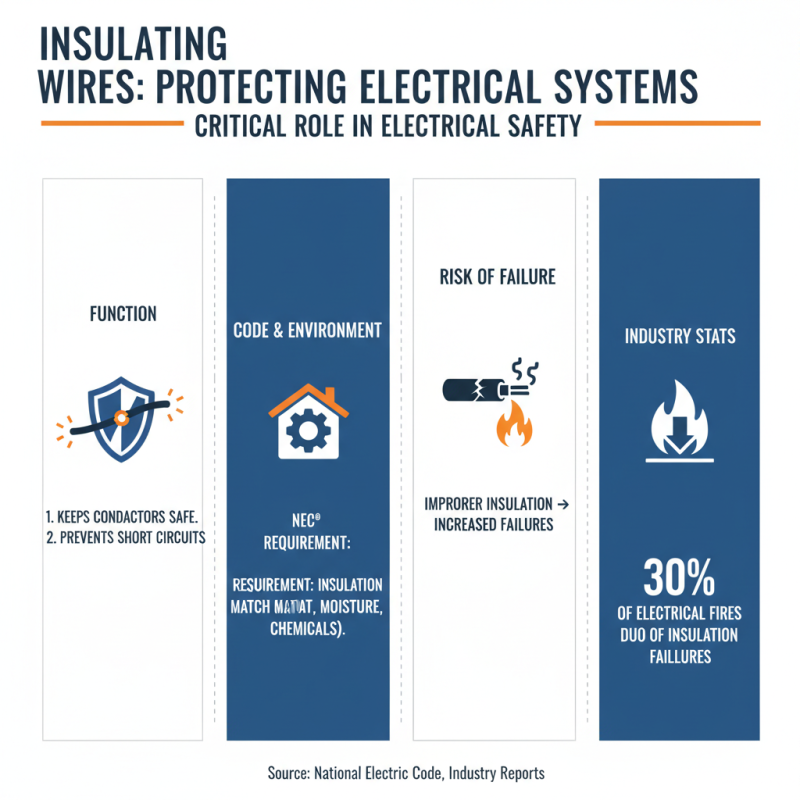
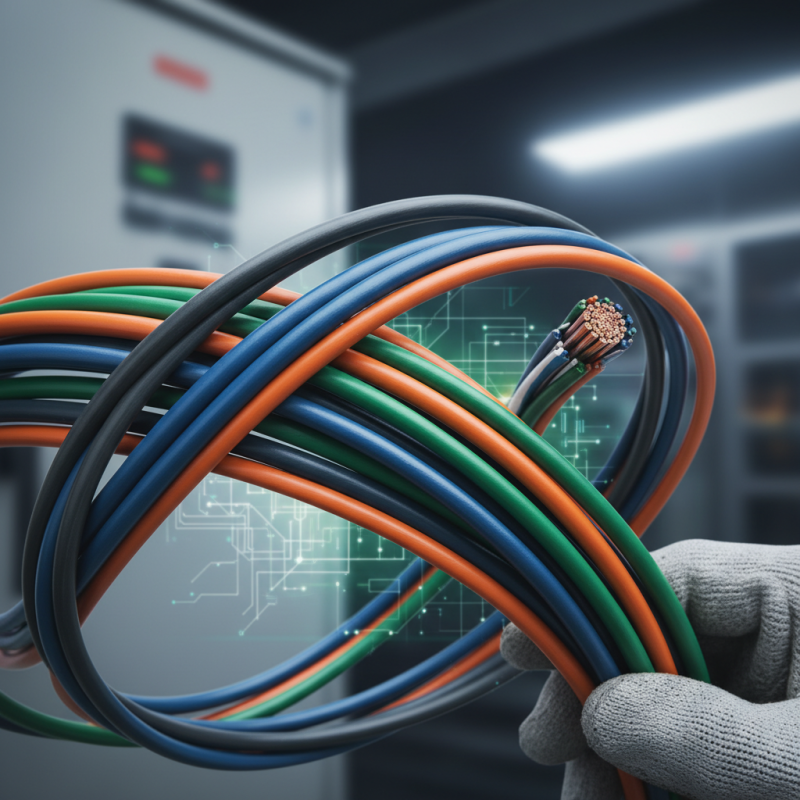
Insulating wires play a critical role in electrical systems. They keep conductors safe and prevent short circuits. The National Electric Code suggests the insulation must match the environment. Wires face heat, moisture, and even chemicals. If not properly insulated, the risk of failures increases. According to industry reports, failures in electrical insulation lead to nearly 30% of electrical fires.
Choosing the right material is essential. For instance, PVC is commonly used due to its durability and cost-effectiveness. However, silicone-based insulators can handle higher temperatures. In high-voltage applications, cross-linked polyethylene (XLPE) offers superior strength. That’s crucial for minimizing electrical hazards. The right insulation can improve energy efficiency by reducing energy loss. Data shows that investing in high-quality insulation can reduce operational costs by up to 15%.
Understanding the implications of insulation can lead to better safety practices. The wrong choice could result in significant safety risks. Regular inspections are vital. Aging wires need replacement, as wear can compromise safety. Innovations in insulation materials are happening, but gaps still exist in implementation. Continuous education on these advancements is necessary for electrical safety.
Key Features and Characteristics of High-Performance Insulating Wires
When selecting insulating wires, several key features significantly impact electrical safety and performance. High-quality insulation materials enhance resistance to heat and wear. These materials often exhibit excellent dielectric strength, preventing electrical leakage. Moreover, their thermal stability allows them to perform reliably in high-temperature environments.
Another crucial characteristic is flexibility. Insulating wires that maintain flexibility can withstand bending and twisting during installation. This adaptability helps to prevent damage over time. On the other hand, some wires may become brittle after prolonged exposure to certain conditions. Users must be vigilant about this deterioration.
Durability is essential for long-term safety. Insulating wires should resist environmental factors like moisture, chemicals, and ultraviolet radiation. Some wires may fail prematurely if these factors are not considered. Conducting regular inspections of insulated wires can reveal issues early on, allowing for timely replacements. Keeping these characteristics in mind can lead to better choices in insulating wire selection, enhancing overall performance and safety.
2026 Top Insulating Wires for Enhanced Electrical Safety and Performance
Top Insulating Wire Materials and Their Benefits for Electrical Safety
Choosing the right insulating wire materials is crucial for enhancing electrical safety. High-quality insulation prevents short circuits and electrical failures. A recent report by the International Electrotechnical Commission shows that nearly 30% of electrical fires result from inadequate insulation. This statistic underscores the importance of investing in reliable insulation materials.
Polyvinyl chloride (PVC) is among the most commonly used insulators in the industry. It provides excellent flexibility and resistance to chemicals and moisture. However, its temperature tolerance is limited. For applications requiring high thermal resistance, materials like Teflon are preferred. Teflon can withstand temperatures up to 260°C, enhancing the longevity of electrical systems.
Another innovative material is cross-linked polyethylene (XLPE), known for its durability and high dielectric strength. It performs well in extreme conditions and significantly reduces the risk of electrical failures. While XLPE is more expensive than PVC, its long-term benefits, including reduced maintenance costs, often justify the investment. Balancing cost and performance remains a challenge for many manufacturers, but the benefits of superior insulation are undeniable.
Innovative Technologies in Insulating Wires for Enhanced Performance
The field of insulating wires is witnessing a significant transformation. Innovative technologies are now enhancing electrical safety and performance, making electricity more reliable. Reports indicate that the global insulating wire market is projected to reach $50 billion by 2026, driven by advancements in materials and manufacturing.
One major development is the use of cross-linked polyethylene (XLPE). This material provides excellent thermal resistance and electrical insulation. Studies suggest that XLPE can tolerate elevated temperatures up to 90°C, allowing for safer operations in various environments. However, the production challenges of XLPE raise questions about sustainability. How can manufacturers balance quality and environmental impact?
Another exciting innovation is the introduction of bio-based insulating materials. These materials come from renewable sources, reducing reliance on fossil fuels. According to analysts, bio-based insulating wires could reduce carbon footprints by up to 30%. Yet, the industry must address production scalability. Is it possible to meet rising demand without compromising performance?
Through these advancements, the insulating wire sector is pushing barriers. Experts anticipate that as technology evolves, so will the need for improved safety and efficiency. Continued research and development will be vital to drive forward this essential component of electrical systems.
Future Trends and Developments in Insulating Wire Manufacturing
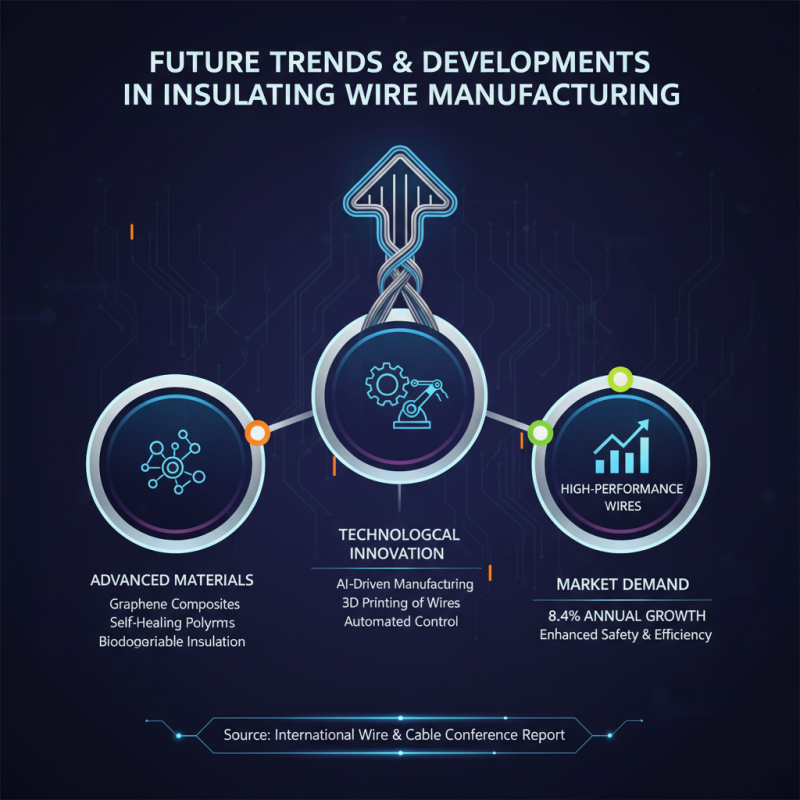
The future of insulating wire manufacturing is set to evolve significantly in the coming years. According to the International Wire & Cable Conference, advancements in materials and technology will define the industry. The report suggests that the demand for high-performance insulating wires is increasing by 8.4% annually as industries push for better electrical safety and performance.
One trend gaining traction is the use of nanotechnology in insulation materials. Nanocomposites can improve thermal stability and electrical performance. For instance, studies show that wires insulated with nanomaterials can withstand higher voltages and temperatures. This offers greater reliability in critical applications, such as renewable energy and aerospace sectors. However, the integration of these materials requires extensive research and can be costly.
Sustainability is also becoming a central concern in the industry. Companies are exploring biodegradable materials for insulation. Despite its potential, the long-term reliability of these materials remains uncertain. Current research suggests that while eco-friendly options may be suitable for low-demand applications, they may fall short in high-performance environments. Continuous testing and feedback loops are necessary to balance innovation with practical usability.