2026 Top Trends in Cable Wire Harness Technology and Design?
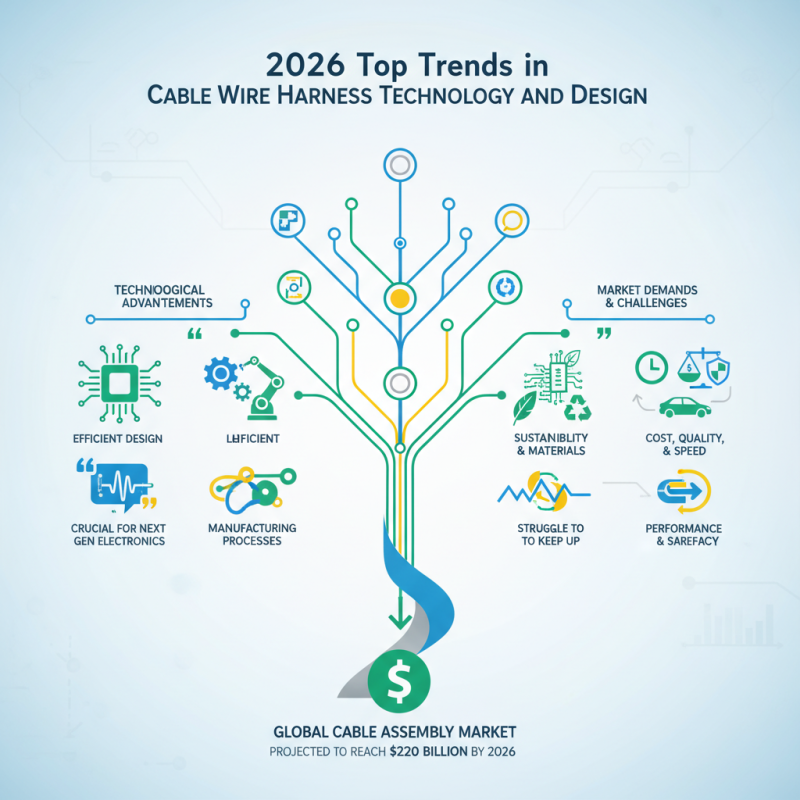
The Cable Wire Harness industry is rapidly evolving, driven by technological advancements and market demands. According to a recent report from MarketsandMarkets, the global cable assembly market is projected to reach $220 billion by 2026. This trend highlights the increasing importance of efficient design and manufacturing processes within the Cable Wire Harness sector.
Industry expert, John Davidson, a leading figure in this field, emphasizes, "Innovations in Cable Wire Harness technology are crucial for the next generation of electronics." As companies strive for sustainability, lightweight materials and eco-friendly practices are becoming essential. However, challenges remain. Many manufacturers struggle to keep up with emerging technologies while ensuring product reliability.
The shifts in consumer expectations also play a significant role. Companies face pressure to balance cost, quality, and speed of delivery. This is particularly evident in sectors like automotive and aerospace, where performance and safety are paramount. As the Cable Wire Harness landscape changes, industry leaders must reflect on their strategies to adapt to these new demands.
Emerging Materials in Cable Wire Harness Manufacturing for 2026
In 2026, the cable wire harness industry will see a major shift due to emerging materials. Manufacturers are increasingly adopting lightweight composites. These materials reduce the overall weight of harnesses, enhancing fuel efficiency in automotive applications. According to a recent industry report, the use of advanced plastics could reduce weight by up to 30%. This is significant for the growing electric vehicle market.
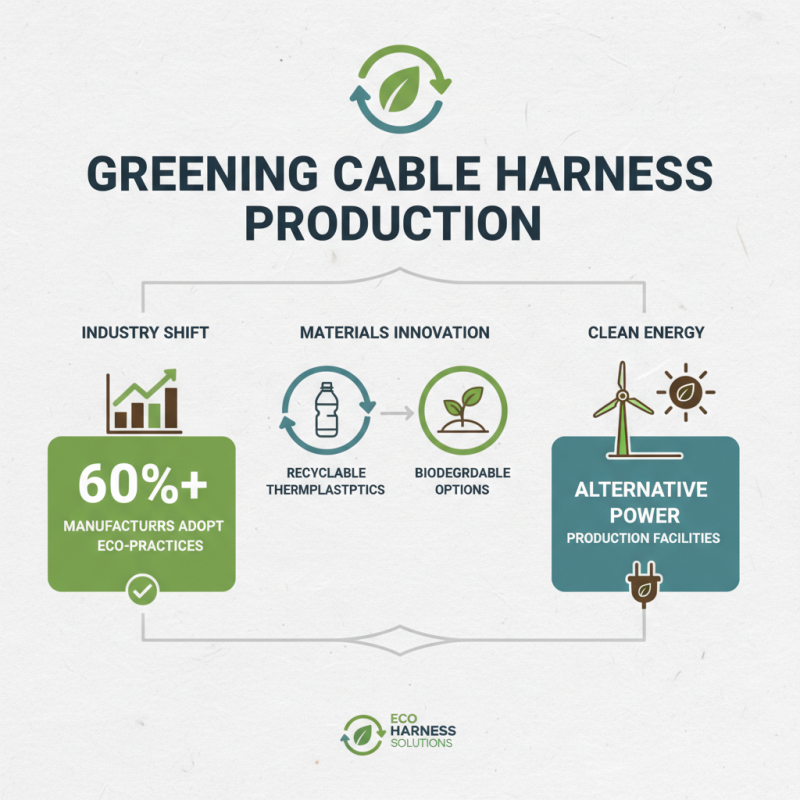
Moreover, innovation in eco-friendly materials is gaining traction. Bio-based polymers are becoming popular in wire harness design. They offer sustainability while maintaining durability. A survey indicates that 40% of manufacturers plan to invest in green materials by 2026. Although these options are promising, their performance in extreme conditions remains a concern. Manufacturers must address potential weaknesses.
Additionally, flexible cabling solutions using innovative coatings are emerging. These designs improve flexibility and reduce installation time. Studies show that flexible wire harnesses can lead to a 20% reduction in assembly costs. However, questions about long-term reliability linger. Continuous testing and feedback from users are essential for improvement. The industry must navigate these challenges to fully capitalize on new materials.
Innovative Design Techniques for Enhanced Cable Wire Harness Efficiency
Innovative design techniques are transforming cable wire harness technology. These techniques focus on improving efficiency and performance. Engineers are adopting new materials and configurations to minimize weight and enhance durability.
One approach is modular design. This allows for easier assembly and troubleshooting. Modular components simplify repairs and upgrades. Another technique is using advanced simulation software. It helps in predicting performance and identifying potential failures early in the design phase.
Tips to enhance your cable harness design:
1. Prioritize organization. A well-organized harness layout can prevent issues later.
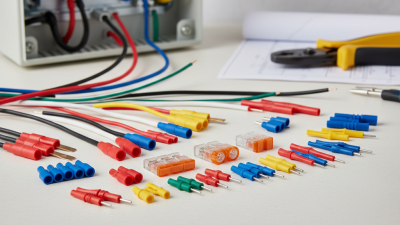
2. Use color-coded wires. This method makes identification easier during installation and maintenance.
3. Regularly review and update designs. Continuous improvement can lead to better efficiency.
Mistakes happen during the design process. It's important to learn from them. For instance, overlooking strain relief can lead to premature wear. Small changes can make a big difference. Aim for simplicity and clarity in your designs.
Integration of Smart Technologies in Cable Wire Harness Systems
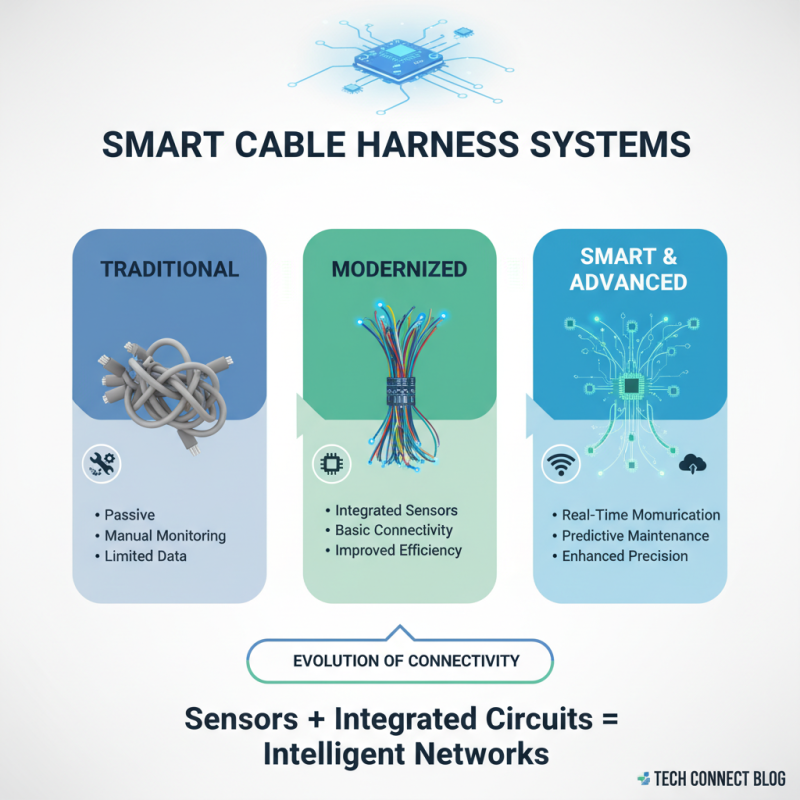
The rise of smart technologies is reshaping cable wire harness systems. These advanced systems now include sensors and integrated circuits. Such innovations allow for real-time monitoring and communication within electrical networks. Precision and efficiency are paramount in modern designs. Therefore, manufacturers must adapt quickly to emerging technologies.
Incorporating smart features adds complexity. Designers face challenges in ensuring compatibility across various devices. Not every application requires the latest technology, which can drive up costs. However, consumers increasingly seek automation and connectivity. The demand for smarter solutions is undeniable, yet it poses questions about necessity versus luxury.
As this trend progresses, there are lessons to be learned. Balancing innovation with feasibility remains difficult. Teams need to remain agile and responsive to new insights. Ensuring reliability while enhancing performance will be critical. The journey towards smarter cable wire harness systems is promising but warrants careful consideration at every turn.
Future Challenges and Opportunities in Cable Wire Harness Technology
The cable wire harness industry faces numerous challenges as it moves into 2026. Rapid technological advancements demand adaptability. Manufacturers must keep pace with innovations, ensuring designs remain relevant. The growing complexity of electronic systems adds to this pressure. Engineers must balance efficiency with functionality.
Sustainability is becoming essential. Eco-friendly materials are gaining traction. However, sourcing these materials can be difficult. Some manufacturers may struggle to achieve compliance without sacrificing quality. This raises questions about long-term feasibility. Investment in research and development is crucial for overcoming these hurdles.
Emerging trends also present opportunities. The rise of automation can streamline assembly processes. However, this requires new skills within the workforce. Training programs may lag behind technology, creating a skill gap. Companies need to invest in their teams to ensure success. This is not just a challenge; it’s a chance for growth.
2026 Top Trends in Cable Wire Harness Technology
This chart illustrates the top trends expected to shape the cable wire harness technology landscape in 2026, indicating their popularity percentage among industry experts.