Top Wire Harness Connectors Suppliers You Should Know?
When it comes to electronics, Wire Harness Connectors play a crucial role. These connectors ensure seamless connections between various components. Choosing the right supplier can significantly impact the performance and reliability of your projects.
Many companies offer Wire Harness Connectors, but not all provide the same level of quality and service. Some suppliers may promise the best products but fail to deliver. It’s important to assess their reputation and experience in the industry. Quality control is essential in this sector, as even a small defect can lead to substantial issues down the line.
Identifying top suppliers requires diligent research. Investigating their past projects can reveal their expertise. Look for reviews and feedback from other customers. It’s wise to ask about their manufacturing processes and certifications. This method ensures that your choice is informed and reliable, helping you avoid future regrets.
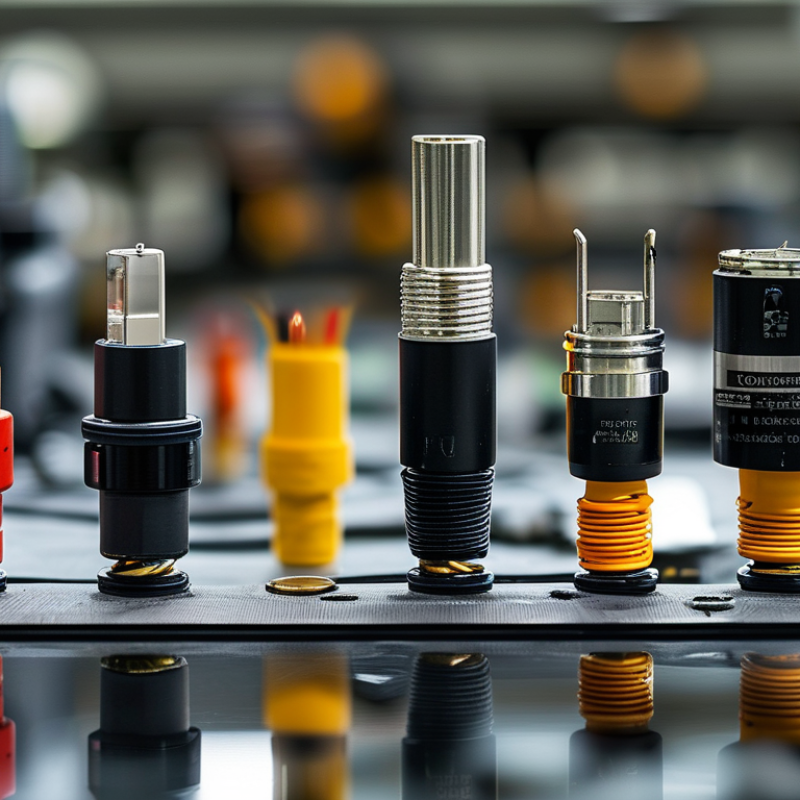
Overview of Wire Harness Connectors and Their Importance
Wire harness connectors are crucial components in various industries, serving as the backbone of electrical systems. They provide reliable connections that ensure optimal functioning of devices. According to recent industry reports, the global wire harness market was valued at approximately $60 billion in 2022, with expectations to reach $90 billion by 2028, highlighting their growing importance.
The connectors play a pivotal role in automotive, aerospace, and consumer electronics. In automotive applications, for instance, wire harness connectors facilitate communication between various components, improving vehicle performance. They also contribute to safety features, enhancing overall reliability. Reports indicate that around 30% of automotive failures are linked to poor connector reliability. Therefore, using high-quality connectors can significantly reduce these risks.
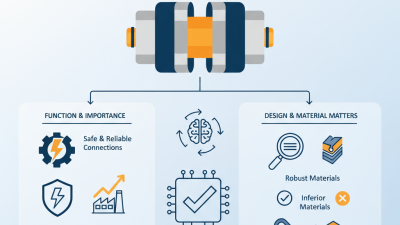
However, not all connectors perform equally. Variations in materials and design influence their durability and efficacy. Despite advancements, some connectors still face challenges in extreme environments, particularly in terms of temperature tolerance and moisture resistance. This inconsistency points to the need for ongoing research and improvement in connector technology.
Importance of Wire Harness Connectors
Wire harness connectors are essential components in various industries, with significant market demand across automotive, aerospace, telecommunications, consumer electronics, and industrial equipment sectors. Understanding the demand helps in making informed decisions regarding the supply chain and production focus.
Key Factors to Consider When Choosing a Wire Harness Connector Supplier
When selecting a wire harness connector supplier, consider their experience in the industry. Years of operation can indicate reliability and expertise. A supplier with a strong background is more likely to understand complex requirements. Ask about their projects and client references to gauge their capability. Look for case studies that showcase successful implementations.
Quality control is vital. Suppliers should have stringent testing procedures to ensure connector reliability. Request information on their certifications and quality assurance processes. Understand their approach to materials and testing. This will help you make an informed decision. Transparency in manufacturing processes is also essential. Suppliers should willingly share information about their production standards.
Lastly, consider their customer service. A responsive team can greatly enhance your experience. You need a partner who listens to your needs and addresses concerns promptly. Delays can cost time and money. Evaluate their communication style during initial interactions. A supplier’s willingness to collaborate can make all the difference in a project’s success. Trust your instincts when assessing their overall reliability.
Leading Suppliers of Wire Harness Connectors in the Global Market
In the global market, wire harness connectors are essential components in various industries. They ensure reliable electrical connections in automotive, aerospace, and consumer electronics. A recent industry report projects the wire harness connectors market will grow substantially, with an expected CAGR of 5.12% from 2022 to 2027. This highlights their increasing demand across multiple sectors.
Companies specializing in wire harness connectors focus on innovation and quality. They are investing in advanced technologies and materials to enhance the durability and efficiency of their products. For instance, the rising trend of electric vehicles is driving the need for connectors that can handle higher voltages and provide superior performance. However, the industry faces challenges, such as supply chain disruptions and fluctuating raw material costs, which require ongoing adjustments.
A significant aspect is the growing emphasis on sustainability within the industry. Many suppliers are prioritizing eco-friendly practices in production. They aim to reduce waste and increase the recyclability of their products. While this is a positive trend, the transition can be complex. Achieving sustainable practices often means balancing cost and quality, which can create hurdles for manufacturers.
Top Wire Harness Connectors Suppliers You Should Know?
| Supplier Country |
Annual Revenue (USD) |
Market Share (%) |
Key Industries Served |
Number of Employees |
| USA |
500 Million |
25% |
Automotive, Aerospace |
2000 |
| Germany |
400 Million |
20% |
Industrial, Telecommunications |
1500 |
| Japan |
600 Million |
30% |
Automotive, Consumer Electronics |
2500 |
| China |
700 Million |
35% |
Various, including Automotive |
3000 |
Innovative Technologies and Trends in Wire Harness Connectivity
Innovative technologies in wire harness connectivity are transforming industries. New materials and techniques create lighter and more durable connections. These advancements enhance efficiency and reliability in applications, from automotive to aerospace. High-performance connectors are designed to withstand extreme conditions. This evolution is crucial for meeting modern demands.
One trend is the shift toward standardized connectors. This simplifies manufacturing processes and reduces costs. However, it requires careful design considerations. Custom solutions might be necessary for unique applications. A one-size-fits-all approach often falls short.
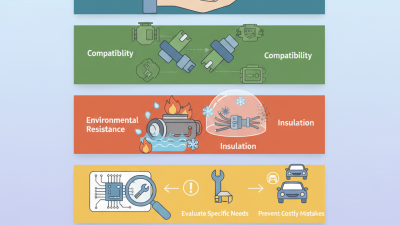
Tips for selecting wire harness connectors include assessing environmental conditions and ensuring compatibility with existing systems. Prioritize connections that offer easy maintenance. Regular reviews of connector performance can identify potential wear. Adapting to new technologies might be challenging but can greatly enhance functionality and longevity. Innovating in this space requires both creativity and a willingness to learn from past designs.
Assessing Quality and Reliability in Wire Harness Connector Supply Chains
In the wire harness industry, assessing quality and reliability is crucial for supply chains. A recent study found that nearly 30% of failures in electronic components can be traced back to subpar connectors. The failure rates often increase when connectors are sourced from unreliable suppliers. Quality assurance protocols become essential in these scenarios.
Data from industry reports indicate that connectors used in automotive applications require rigorous testing to ensure performance and longevity. For instance, connectors face harsh environmental conditions, including extreme temperatures and vibrations. On average, a single defective connector can result in labor costs exceeding $1,000 per day in a manufacturing environment. This emphasizes the necessity of partnering with reputable suppliers to mitigate costly downtime.
However, identifying the right suppliers remains challenging. Factors such as inconsistent quality, inadequate testing procedures, and lack of traceability can hinder procurement processes. A staggering 40% of companies report that supplier audits improve the overall reliability of their products. Understanding these nuances is crucial for stakeholders in the wire harness sector. It illustrates the need for ongoing evaluation of both suppliers and connections to enhance operational efficiency.