Top Wire Harness Types for Efficient Electrical Connections?
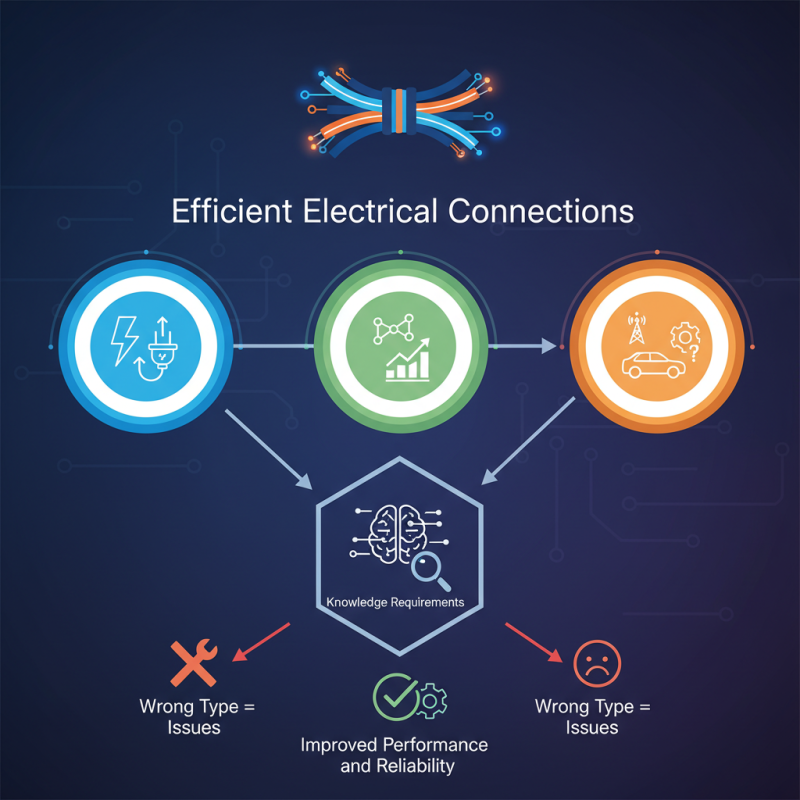
In today's technology-driven world, efficient electrical connections are essential. The importance of wire harnesses has never been more apparent. A wire harness is a bundled collection of wires and cables, designed to transmit electrical power and signals. These components play a critical role in various applications, from automotive to telecommunications.
Different wire harness types are available, each serving distinct purposes. Some are designed for high voltage, while others focus on data transmission. Understanding these types can lead to improved performance and reliability. However, not all applications require the same wire harness. Choosing the wrong type may lead to issues down the line.
It is essential to reflect on the specifics of each type of wire harness. The ideal choice often depends on the unique requirements of a project. Exploring this topic can enhance knowledge about wire harnesses. It can be a challenging task, but it is worth the effort. Knowledge is power, especially when it comes to making informed decisions about electrical connections.
Top Wire Harness Types for Efficient Electrical Connections
The choice of wire harness types plays a vital role in electrical system efficiency.
According to a recent industry report, over 70% of electrical failures can be traced back to poor connections.
This highlights the necessity of selecting the right design for specific applications.
There are several popular wire harness types. The most common are round and flat harnesses.
Round harnesses provide better flexibility, making them suitable for tighter spaces. Flat harnesses, on the other hand, allow for easier installation in larger assemblies.
Still, these choices come with trade-offs. Round harnesses may be challenging to organize, while flat harnesses can suffer from reduced durability under certain conditions.
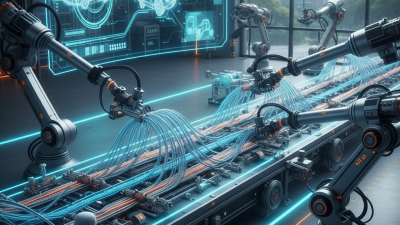
Recent studies indicate that automation in wire harness production improves consistency and reduces errors.
However, many manufacturers still rely on traditional methods, leading to potential quality control issues.
As companies strive to improve connection reliability, they must carefully consider both the advantages and disadvantages of each wire harness type.
A thoughtful approach can prevent costly setbacks and enhance overall system performance.
Understanding Wire Harness Composition and Materials
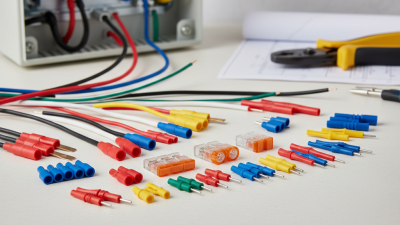
Wire harnesses play a crucial role in connecting electrical components. Understanding their composition helps in choosing the right materials. Typically, a wire harness consists of wires, connectors, and insulation. These elements work together to ensure reliable performance.
The choice of material is vital. Copper is commonly used for wires. It has excellent conductivity. Insulation materials also matter. PVC is a common choice, offering durability. However, it may not be ideal for high-heat environments. Consider using materials like Teflon for better heat resistance.
Tip: Always assess the environment where the harness will be used. Heat, moisture, and movement can impact performance.
Designing a wire harness is not straightforward. Mistakes can happen, such as incorrect wire lengths. These issues may lead to failure down the line. Test your designs thoroughly to ensure they meet standards.
Tip: Review your work and have someone else check it. Fresh eyes can catch errors you might miss. A small oversight can lead to significant problems later.
Key Industry Standards for Wire Harness Design and Manufacturing
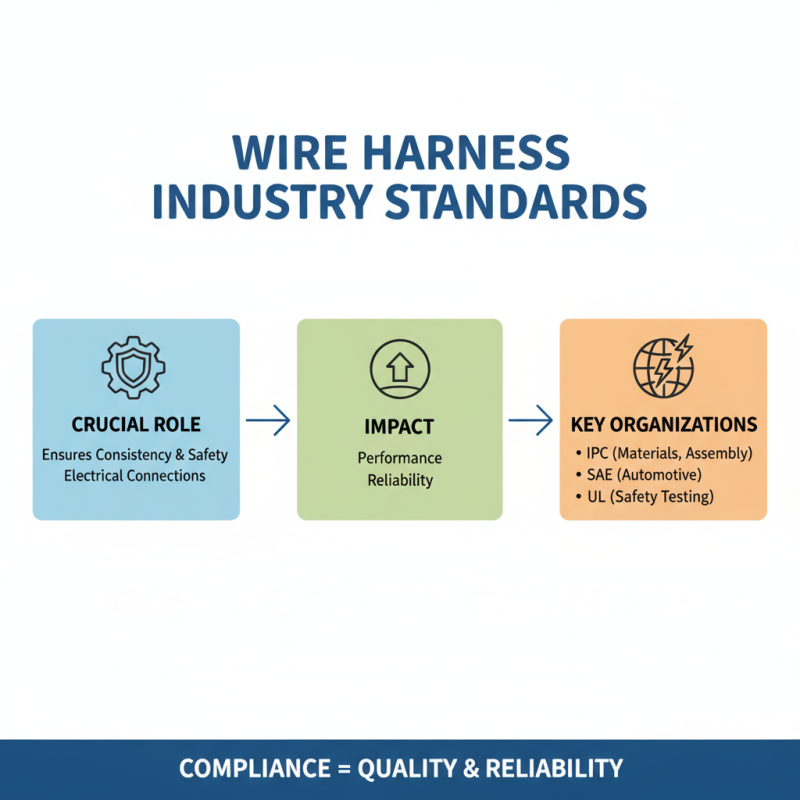
When designing wire harnesses, industry standards play a crucial role. These standards ensure consistency and safety in electrical connections. Compliance with these guidelines can affect performance and reliability. Various organizations set these standards, including IPC, SAE, and UL. Each organization has specific guidelines that address materials, assembly processes, and testing methods.
The IPC/WHMA-A-620 standard is noteworthy for wire harness assembly. It outlines detailed practices for soldering, crimping, and connector assembly. Following these practices helps maintain quality. However, some manufacturers overlook these standards during production, leading to potential failures. This oversight can cause significant delays and increased costs.
Moreover, IEC standards focus on safety and performance. They guide the selection of materials, especially for harsh environments. Ignoring these considerations can result in early failures or safety hazards. The challenge lies in balancing compliance with innovation. As technology evolves, adapting these standards can be difficult, requiring ongoing training and assessment.
Comparative Analysis of Common Wire Harness Configurations
When analyzing common wire harness configurations, several types emerge as efficient solutions for electrical connections. The most frequently used are the discrete wire harness, ribbon cable harness, and integrated connector harness. Each type has its unique features, advantages, and drawbacks. For instance, discrete wire harnesses often provide flexibility. However, they can come with complex assembly requirements that might lead to errors.
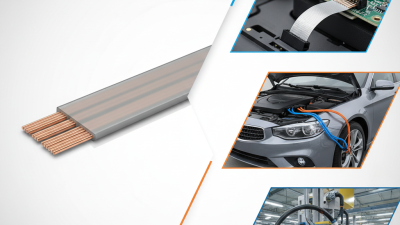
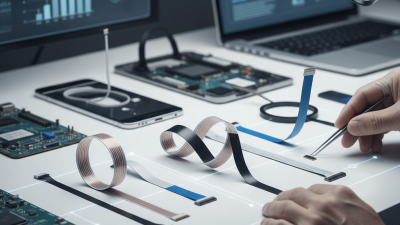
Ribbon cable harnesses are another option. They offer streamlined design and ease of installation due to their flat arrangement. However, they may not suit all applications, particularly those requiring high durability. Meanwhile, integrated connector harnesses combine the connector with the wiring. They simplify assembly but can limit customization options. This lack of adaptability for specific needs raises questions for many engineers.
Moreover, the choice between these configurations can often feel overwhelming. Factors like space constraints, weight considerations, and environmental conditions play a crucial role. Sometimes, a wire harness does not fit perfectly into a project. That can lead to inefficiencies. Engineers must regularly reassess their designs to ensure optimal performance. Finding the right balance is key in this evolving field. Each configuration has strengths and weaknesses, and careful evaluation can lead to improved results.
Top Wire Harness Types for Efficient Electrical Connections
| Wire Harness Type |
Usage/Application |
Material |
Connector Type |
Temperature Rating |
| Single Wire Harness |
Automotive Electrical Systems |
Copper |
Sealed Connectors |
-40°C to 125°C |
| Multi-Conductor Harness |
Industrial Machinery |
Aluminum |
PCA Connectors |
-20°C to 85°C |
| Flexible Flat Cable |
Consumer Electronics |
Copper |
FFC/FPC Connectors |
-30°C to 90°C |
| Round Wire Harness |
Aerospace Applications |
Tinned Copper |
Circular Connectors |
-55°C to 150°C |
| Custom Power Harness |
Renewable Energy Systems |
Copper alloy |
High Current Connectors |
-40°C to 105°C |
Innovative Trends in Wire Harness Technology and Applications
The world of wire harness technology is evolving rapidly. Innovative trends are paving the way for more efficient electrical connections across various industries. One such trend is the integration of advanced materials. These new materials enhance durability and flexibility. This is crucial in sectors like automotive and aerospace, where reliability is vital.
Another noteworthy development is the shift towards customizable wire harness solutions. Many manufacturers are realizing that a one-size-fits-all approach is ineffective. Customization allows for better fitting in complex layouts. It meets specific performance requirements effectively. This move toward personalization can lead to higher costs and longer lead times, sparking a debate about efficiency versus expense.
Additionally, smart wire harnesses are gaining traction. These harnesses can monitor and report their condition in real time. This technology promises to minimize downtime. However, challenges remain in standardization and compatibility. The road ahead may require careful planning and adjustment to address these hurdles effectively.