


News
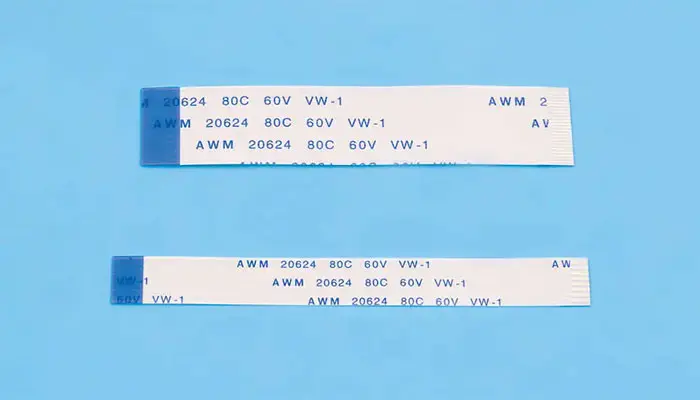
Moisture Resistance and Aging of FFC Ribbon Cable in Humid and Hot Environments
FFC Ribbon Cable is widely used in Electronic Devices due to its flexibility and compact form factor. However, its performance and longevity can be affected by exposure to harsh environments, particularly those characterized by high humidity and elevated temperatures.
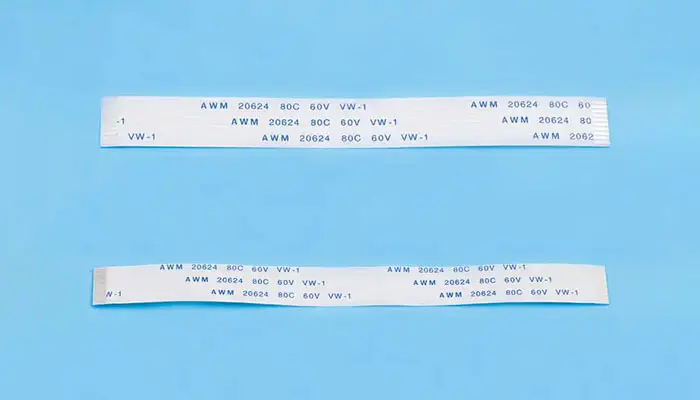
Understanding the Structural and Functional Differences Between FFC Ribbon Cable and FPC Flexible Circuit
The fundamental difference between FFC Ribbon Cable and FPC lies in their structure and materials. An FFC Ribbon Cable is a flat, Flexible Cable composed of multiple parallel conductors laid on a flat strip of plastic film, usually polyester.
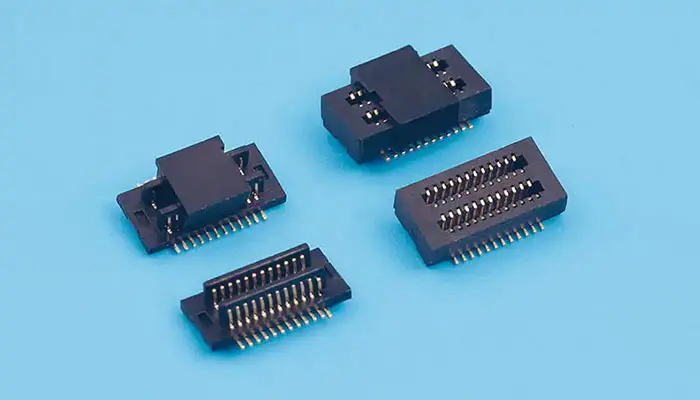
Critical Design Factors for Choosing a Board to Board Power Connector Suitable
When selecting a Board to Board Power Connector for high-speed transmission, maintaining signal integrity is a top priority. As data rates increase, issues such as crosstalk, signal attenuation, and impedance mismatch become more pronounced. An ideal connector must support controlled impedance and feature low insertion and return loss across the required frequency range.
Key Advantages of FFC Ribbon Cable Compared to Traditional Round Wire Cables
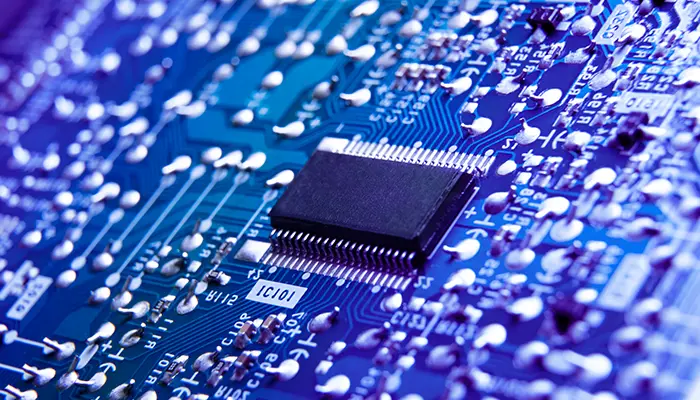
Assessing the Fire Resistance and Safety Standards of FFC Ribbon Cable
FFC Ribbon Cable is widely used in Electronic Devices due to its compact design and good flexibility. However, as electronic equipment becomes more integrated into daily life, the fire safety of components like it has gained increased attention. This article explores the fire performance of FFC Ribbon Cable, the materials and design factors that influence its fire resistance, relevant safety standards, and practices to ensure safe usage.

Vibration Resistance and Structural Strength of Board to Board Power Connectors in Demanding Environments
In many industrial and automotive applications, electronic components must endure constant mechanical vibrations and shocks without compromising performance. A Board to Board Power Connector, by design, serves as a critical physical and electrical bridge between two Printed Circuit Boards. Its vibration resistance is directly linked to the mechanical integrity of its contact system and housing materials. High-quality connectors are engineered with robust retention features such as locking clips, latching mechanisms, and reinforced contact beams that maintain consistent mating pressure. These design features ensure that the connector remains firmly engaged even under prolonged vibration cycles, preventing signal loss or power interruption.