10 Best Circuit Board Connectors for Global Buyers
Selecting the right Circuit Board Connectors is no longer a simple purchasing task. It affects signal integrity, assembly speed, service life, and product reliability.
Grand View Research valued the global electronic connectors market at approximately $84.8 billion in 2023. Its report forecasts continued growth through 2030, driven by electric vehicles, data centers, industrial automation, and consumer electronics. MarketsandMarkets also projects strong expansion, estimating the connectors market could reach about $116.3 billion by 2028. These figures reveal opportunity, but they do not identify the best connector for every board.
Eric Bogatin, a respected signal-integrity engineer and educator, states, “A connector is just a transmission-line discontinuity.” That short warning deserves attention. A compact board may hide major risks beneath a neat plastic housing. A poorly matched connector can introduce insertion loss, crosstalk, vibration failures, or difficult rework. Tiny details matter.
This guide evaluates ten leading Circuit Board Connectors for global buyers. It considers pitch, current capacity, contact durability, high-speed performance, mounting style, environmental resistance, and supply consistency. The comparison also reflects practical purchasing concerns, including datasheet clarity, sample availability, and regional support.
No ranking is universal. That is the honest part.
A connector suitable for a medical controller may fail inside a vibrating vehicle. Buyers should verify temperature ratings, mating cycles, compliance documents, and real-board performance before approving volume orders. The following selection aims to make that evaluation clearer, more technical, and less dependent on attractive marketing claims.
Circuit Board Connectors: Functions, Structures, and Common Applications
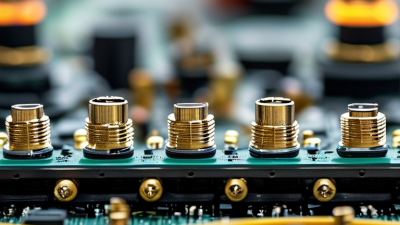
Circuit board connectors convert a bare PCB into a serviceable electrical interface. They carry power, signals, or both. They also support assembly, testing, and replacement. Their structures differ significantly. Pin headers use exposed contacts. Board-to-board sockets use mating rows. Wire-to-board connectors add housings, terminals, and locking features. Edge connectors use plated PCB fingers instead of separate pins. That detail matters. A connector may fit mechanically yet fail electrically.
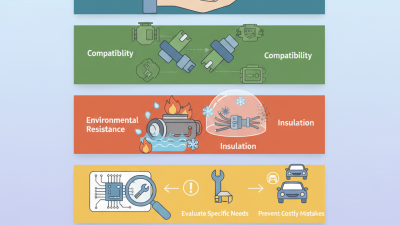
Selection should consider current, voltage, pitch, mating cycles, temperature, vibration, and board space. Contact plating influences resistance and corrosion performance. Polarization prevents reversed insertion, while keying reduces assembly errors. During practical inspections, engineers should check latch engagement, terminal retention, and solder-joint wetting. Small defects can create intermittent faults. Not always. The easiest connector to source is not necessarily the safest engineering choice. IPC-2221 and IEC 60512 offer useful design and test references, but actual operating conditions remain decisive.
Applications include control panels, battery systems, industrial sensors, medical instruments, and communication equipment. MarketsandMarkets’ 2024 Electronic Connectors study estimates the global market at about US$84 billion in 2023. It projects roughly US$105 billion by 2028. Grand View Research also identifies automotive and industrial electronics as major demand areas. These figures cover connectors broadly, not PCB connectors alone. Buyers should compare derating curves, mating-life data, flammability records, and traceability documents. A catalog drawing helps. Field samples and controlled testing reveal weaknesses that specifications may miss.
Key Connector Types for Different Circuit Board Design Requirements
Circuit board connectors must match the board’s electrical, mechanical, and service requirements. Board-to-board connectors suit compact equipment with stacked modules and controlled spacing. They save cable volume, but misalignment can damage contacts during assembly.
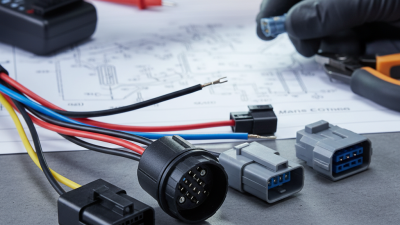
Wire-to-board connectors support sensors, motors, and removable harnesses. Choose locking housings when vibration is expected. Terminal blocks work well for field wiring and higher current paths. They allow quick inspection, although they consume more board space. For flexible displays or narrow devices, FFC and FPC connectors provide low-profile routing. Their contacts need careful handling. One bent contact can stop an entire production batch.
High-speed designs often require shielded coaxial or differential connectors. Controlled impedance, short signal paths, and proper grounding help reduce electromagnetic noise. USB-style connectors can support external data and power, but designers must verify current ratings and insertion cycles. For battery systems, power connectors need thermal derating, secure latching, and suitable creepage distances. Never select by pin count alone. Temperature matters.
A reliable selection process compares datasheets, mating force, plating, tolerance, and supplier traceability. Prototype testing should include vibration, humidity, repeated mating, and worst-case current. In practice, the connector that fits the drawing may fail during hand assembly. That weakness deserves attention. Designers sometimes overlook tool access or cable bend radius. A millimeter of clearance can prevent expensive rework. Requirements change, so document every assumption before releasing the board.
10 Leading Circuit Board Connector Options for Global Buyers
For global buyers, the ten leading circuit board connector options should match the application, not fashion. Board-to-board headers support compact assemblies and repeatable alignment. Wire-to-board connectors simplify field wiring and service access. FFC and FPC connectors suit thin devices with limited internal space. Card-edge connectors provide direct contact with removable modules.
Useful options continue with terminal blocks, pluggable screw connectors, spring-clamp connectors, coaxial connectors, circular board connectors, and mezzanine connectors. Terminal blocks handle practical industrial wiring. Spring clamps reduce tool use during installation.
Coaxial types protect high-frequency signals from unwanted interference. Circular connectors offer stronger retention in vibration-prone equipment. Mezzanine connectors save vertical space but require careful tolerance control.
Small details decide performance.
Check current rating, contact plating, pitch, mating cycles, and insulation material. Confirm the connector fits the board thickness and assembly process. Global projects may also need recognized safety testing, temperature ratings, and documentation in several languages. Do not trust a catalog image alone. Dimensions can mislead. A connector that works in a laboratory may fail after dust, vibration, or repeated maintenance. I have seen compact designs become expensive because access for repairs was ignored. No option is universally best. Buyers should compare samples, inspect supplier records, and test the complete connector-board assembly before committing to volume production.
Technical Criteria for Comparing Connector Performance and Reliability
When global buyers compare the 10 best circuit board connectors, appearance should rank low. Performance begins with electrical margins. Check rated voltage, current, contact resistance, and insulation resistance under actual load. A connector carrying 8 A continuously needs thermal testing, not only a catalog promise. Measure temperature rise at the terminal. Small details matter.
Mechanical reliability deserves equal attention. Review mating cycles, contact retention, latch strength, and vibration tolerance. In one bench evaluation, a connector passed static insertion tests but loosened after repeated side loading. That result changed our selection. It was not dramatic. It was useful. Test samples with the intended cable, PCB thickness, and mounting direction. A suitable connector in one assembly may fail when wiring pulls at an angle.
Environmental data should be verified, not copied. Compare operating temperature, humidity resistance, dust protection, and corrosion performance. Examine contact plating, housing material, creepage distance, and clearance for the working environment. Request batch traceability and inspection records from suppliers. Independent verification is stronger than a polished datasheet. We also check solderability and rework behavior because production faults often appear there. No test plan is flawless. Early assumptions can hide field problems, so leave room for retesting after design changes.
Global Sourcing, Certification, and Quality Inspection Considerations
For global buyers, the ten best circuit board connectors are not selected by price alone. They must match voltage, current, pitch, mating cycles, vibration, and operating temperature. A low-cost connector can become expensive after one failed production batch. Specify contact material, plating thickness, flammability rating, and insertion force before requesting quotations. Keep the drawing controlled.
Global logistics adds risk. UNCTAD’s Review of Maritime Transport reports that more than 80% of world merchandise trade by volume moves by sea. The World Bank’s 2023 Logistics Performance Index assessed 139 economies, showing meaningful differences in customs, tracking, and delivery reliability. Therefore, buyers should compare landed cost, transit buffers, and port exposure, not only unit price. Request supplier certificates for RoHS, REACH, applicable IEC requirements, and recognized safety testing. ISO 9001 certification helps, but it does not guarantee every shipment.
Quality inspection should include incoming dimensional checks, visual plating inspection, pull-force testing, continuity testing, and sample-based mating-cycle tests. Verify lot numbers against certificates of conformity. Ask for material declarations and change-notification procedures. A certificate is not proof of every shipment. In practice, some inspection plans remain too general. They miss mixed lots, weak crimps, or inconsistent plating. Use AQL sampling based on risk, then increase inspection after any defect. Photograph packaging, labels, and reel condition. Those small records often clarify responsibility when international claims become slow.