2026 Best Electronics Connectors for Global Buyers?
In the ever-evolving world of technology, Electronics Connectors play a pivotal role. These components are essential for creating reliable connections in devices we use daily. From smartphones to sophisticated machinery, the quality of connectors directly impacts performance.
As global buyers seek the best products, understanding these connectors is crucial. The market offers various options, but not all are created equal. Buyers must consider specifications, materials, and manufacturer reputations. Some brands may promise high endurance, yet fail in real-world applications.
Many manufacturers claim expertise, but the real test is performance in everyday situations. Some connectors perform admirably under optimal conditions. However, they may struggle under stress or extreme environments. It’s essential to choose wisely and reflect on past experiences. The right connector can enhance device longevity and functionality. A thoughtful approach to selecting Electronics Connectors ensures better outcomes.
Overview of Electronics Connectors: Types and Applications
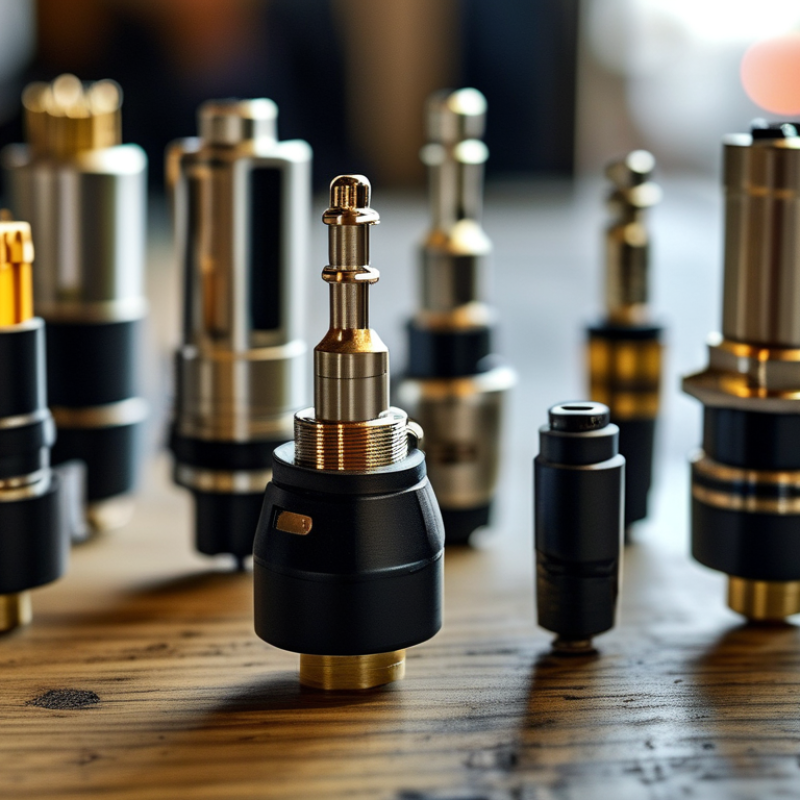
Electronics connectors play a vital role in the functionality of various devices. These connectors come in countless types, each designed for specific applications. Common types include USB, HDMI, and RCA. Each serves a unique purpose in data transfer and power delivery. Understanding these connectors can significantly impact the performance of electronic systems.
In consumer electronics, USB connectors are widely used. They enable data transfer between computers and peripherals. HDMI connectors, on the other hand, are essential for transmitting high-definition video and audio signals. Their widespread adoption is a testament to the growing demand for high-quality multimedia experiences. However, not all connectors are created equal; occasional compatibility issues arise, necessitating careful selection based on application requirements.
Some applications require durable connectors, especially in industrial settings. Harsh environments demand connectors that can withstand extreme temperatures and vibrations. Yet, even the most robust connectors may fail under specific conditions. It's crucial for engineers to consider these factors during the design process. Regular testing and quality assurance can help ensure reliability, but challenges will inevitably occur. Understanding these nuances can lead to better choices in connector types and applications.
2026 Best Electronics Connectors Overview
Key Features to Consider When Choosing Electronics Connectors
When selecting electronics connectors, several key features must be considered. The choice hinges on compatibility, durability, and performance. First, ensuring that the connector matches the application is essential. Check the pin configuration and size. Mismatched connectors can lead to malfunction or failure.
Material selection is another critical factor. High-quality metals enhance conductivity and reduce resistance. Look for connectors made from materials that withstand environmental conditions relevant to your project. For example, connectors used in humid or corrosive environments need special coatings or materials.
**Tip:** Always test connectors in your specific environment. Some connectors may perform poorly under certain conditions. Also, consider future scalability. A connector design that allows for upgrades can save time and money.
Lastly, think about the installation process. Some connectors are easier to work with than others. Complex installations can slow down production. Evaluate whether you need a tool-free solution or if specific tools are acceptable. Keeping these considerations in mind will lead you to make more informed decisions.
Top Manufacturers and Brands in the Electronics Connector Market
The electronics connector market is diverse and rapidly evolving. Various manufacturers and brands contribute to this dynamic industry. They create connectors for a range of applications, from consumer electronics to industrial machinery. Quality and reliability are key factors in supplier selection.
Leading brands often emphasize innovation. They invest in research and development to enhance product performance. These companies prioritize user needs, understanding that the right connector can significantly impact device functionality. Sometimes, a simple design flaw can hinder product success. This challenge prompts manufacturers to rethink and refine their designs.
Customer feedback plays a vital role too. Brands monitor reviews and market trends closely. They adjust their strategies based on real-world performance and user experiences. However, not every product meets expectations. This reality pushes companies to continuously improve. A transparent dialogue between manufacturers and users fosters trust and leads to better overall solutions.
Trends and Innovations Shaping the Future of Electronics Connectors
The future of electronics connectors is dynamic and evolving. Innovations in materials and designs are shaping this sector. Lightweight and durable materials are gaining traction. They reduce the overall weight of electronic devices, enhancing portability.
Smart connectors are on the rise. These connectors can communicate and adapt to different devices. This adaptability improves user experience but also raises questions about compatibility. Not every device can utilize these advanced features, leading to fragmentation in the market.
Sustainability is also driving trends. Manufacturers are exploring eco-friendly materials to reduce environmental impact. However, the balance between sustainability and performance is challenging. Some solutions may not meet stringent performance requirements. As the industry evolves, ongoing evaluation and adaptation will be vital.
Global Distribution Channels for Electronics Connectors: A Buyer’s Guide
When navigating global distribution channels for electronics connectors, understanding market dynamics is crucial. The demand for reliable connectors spans industries, from automotive to telecommunications. Buyers should analyze various regional markets to identify the most efficient sourcing strategies.
One critical aspect is to establish relationships with trusted suppliers. Engage with manufacturers and distributors who have a strong reputation in the industry. Attend trade shows and exhibitions to meet potential partners. This adds a personal touch and allows for valuable discussions about quality assurance and product specifications.
**Tips:** Look for suppliers who offer diverse product lines. This can help streamline sourcing. Keep a checklist of essential connector specifications based on end-use requirements. Be cautious; not all connectors meet the same standards, and quality can often vary significantly.
Buyers should remain adaptable and open-minded. The global market is ever-changing, influenced by technological advancements and shifting consumer demands. Regularly reassess partnerships and be ready to pivot if necessary. This proactive approach will lead to optimal sourcing outcomes.