Top 10 Terminal Blocks in China for Global Buyers?
The demand for Terminal Blocks is surging globally, fueled by advancements in the electronics and automation sectors. According to a report by MarketsandMarkets, the terminal block market is expected to grow from USD 1.82 billion in 2021 to USD 2.48 billion by 2026, at a CAGR of 6.5%. This growth underscores the critical role Terminal Blocks play in wiring and circuit connection management.
China’s manufacturing prowess strengthens its position as a leading supplier of Terminal Blocks. Numerous companies specialize in producing high-quality and diverse terminals to meet international standards. However, the competition remains fierce, with some products lacking the reliability expected by global buyers. Inefficiencies in quality control are areas that require attention.
Navigating this market can be daunting. Buyers must weigh various factors such as price, quality, and supplier reliability. Thorough research and due diligence are essential for making informed decisions. As the landscape evolves, identifying the top contenders in China for Terminal Blocks becomes crucial for achieving successful procurement strategies.
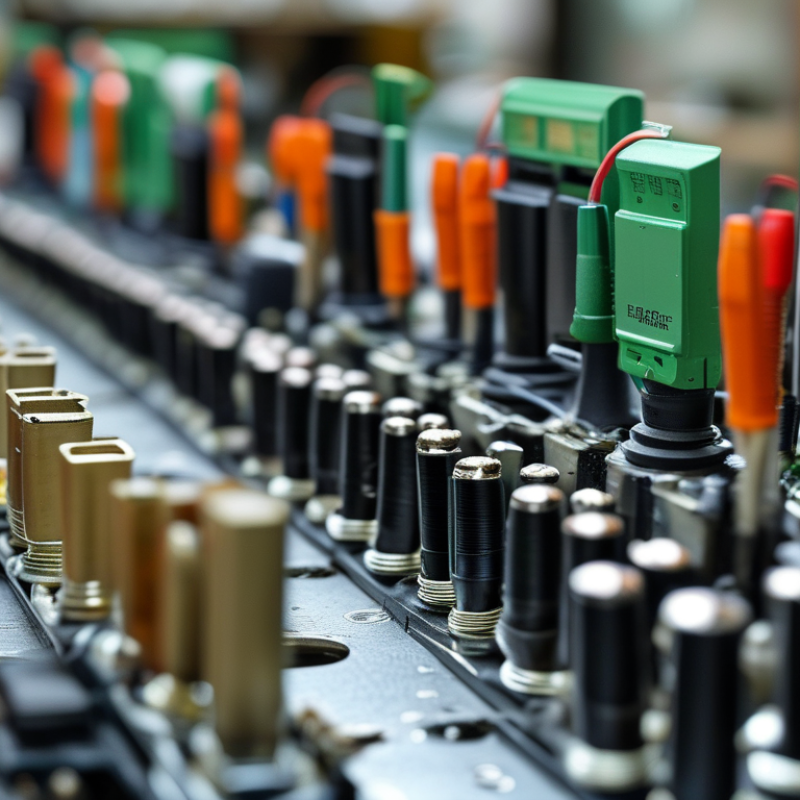
Top 10 Terminal Blocks in China for Global Buyers: An Overview
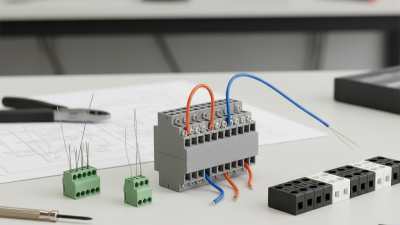
China has emerged as a leading hub for manufacturing terminal blocks, attracting global buyers with its array of options. The terminal blocks produced here are diverse, offering various sizes and types to meet different industrial needs. They serve crucial roles in electrical connections, ensuring safety and efficiency.
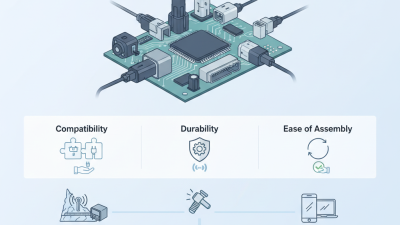
When selecting terminal blocks, buyers should consider several factors. Quality is essential; subpar products can lead to failures. Additionally, compatibility with existing systems is vital for seamless integration. Some manufacturers may provide only basic designs, which may not suit all applications. This gap in customization can lead to inefficiencies.
Engaging with multiple suppliers can provide valuable insights. However, not all suppliers maintain consistent quality standards. It’s important to vet the reliability of sources thoroughly. Reviews and certifications can help in this evaluation process. In this complex landscape, knowledge and research will enable buyers to make informed choices. Each choice impacts overall operational success in the long run.
Criteria for Selecting Quality Terminal Blocks in the Chinese Market
When selecting terminal blocks in the Chinese market, buyers should prioritize specific criteria. Reliability is essential. According to recent industry reports, over 40% of electrical failures trace back to subpar connectors. Hence, assessing the manufacturing standards is crucial. Look for certifications, such as IEC and UL, which indicate compliance with international safety and performance requirements. These certifications enhance the credibility of the products.
Material quality also plays a significant role. Terminal blocks fabricated from high-grade materials resist corrosion and maintain conductivity, ensuring long-term performance. A study indicated that products made from polyamide had a failure rate of only 2% over five years. Additionally, it’s wise to consider the product's thermal endurance. Blocks should operate effectively under extreme conditions.
Pricing structure should not be the sole focus. Competitive pricing often leads to compromises in quality. Evaluating customer reviews and supplier ratings can offer insights into the performance history of particular products. However, even reputable suppliers might have inconsistencies. Conducting thorough research and using prototypes for testing may help minimize risks in bulk purchases.
Leading Manufacturers of Terminal Blocks in China: A Comprehensive Guide
Terminal blocks are essential components in electrical systems, especially for global buyers seeking reliability in their projects. China's manufacturing industry has excelled in producing high-quality terminal blocks, which are used across various applications. According to industry reports, the demand for terminal blocks in Asia is expected to grow at a CAGR of 6.5% from 2021 to 2026.
Leading manufacturers in China emphasize quality and innovation. These companies often invest heavily in research and development. They aim to meet international standards while catering to the needs of diverse sectors. The current trend shows a shift towards more compact and efficient designs. Terminal blocks with enhanced connectivity options are highly sought after. It's essential to choose suppliers with a solid reputation and proven track records.
However, challenges persist in the industry. Not all manufacturers maintain the same quality assurance practices. Some may overlook critical testing processes, leading to potential failures in applications. Buyers must be vigilant when sourcing terminal blocks. Conducting thorough checks and evaluating certifications can mitigate risks. Navigating this landscape requires discernment and expertise.
Top 10 Terminal Blocks in China for Global Buyers
| No. |
Type |
Material |
Current Rating (A) |
Voltage Rating (V) |
Number of Ways |
Installation Type |
| 1 |
Screw Terminal |
Polyamide |
30 |
600 |
12 |
DIN Rail |
| 2 |
Push-in Terminal |
Brass |
24 |
500 |
8 |
Panel Mount |
| 3 |
Feed-Through Terminal |
Polycarbonate |
16 |
250 |
6 |
DIN Rail |
| 4 |
Compact Terminal |
PA 66 |
10 |
300 |
4 |
PCB Mount |
| 5 |
Spring Terminal |
Stainless Steel |
20 |
400 |
10 |
End Mount |
| 6 |
Multi-Position Terminal |
Copper |
15 |
230 |
5 |
DIP Mount |
| 7 |
Isolated Terminal |
Nylon |
12 |
300 |
8 |
Blind Mount |
| 8 |
Barrier Terminal |
ABS Plastic |
25 |
500 |
6 |
DIN Rail |
| 9 |
Plug-in Terminal |
Tin-Plated Copper |
18 |
400 |
10 |
PCB Mount |
| 10 |
Terminal Block with LED Indicator |
Polyamide |
20 |
500 |
4 |
DIN Rail |
Comparative Analysis of Terminal Block Features and Pricing
When considering terminal blocks, buyers often face challenges in selecting the right one. Features and pricing play a crucial role in this decision-making process. Different types of terminal blocks cater to specific needs, including wire size, current rating, and environmental factors. Assessing the insulation material, connection methods, and mounting styles is essential for optimal performance.
Prices vary significantly across the market. Budget-friendly options are available, but they may compromise on features. Premium terminal blocks offer better durability and safety features. However, inexperienced buyers can struggle to find a balance between cost and quality. It is vital to evaluate your requirements thoroughly before proceeding.
Tips: Look for reliable suppliers. A trustworthy vendor ensures consistent quality. Research user reviews to identify potential issues. Always consider future needs. Investing in higher quality may save costs in the long term with reduced replacements. Remember, a well-informed choice often leads to better project outcomes. Evaluate the total cost of ownership rather than just the purchase price.
Global Trends and Innovations in Terminal Block Technology from China
Terminal blocks are crucial in electrical connections and circuit management. In China, innovations in terminal block technology are evolving rapidly. Many manufacturers are adopting advanced materials and designs, improving durability and conductivity. This shift enhances the reliability of electrical installations across various industries.
New trends are focusing on user-friendly features. For example, modular designs allow for easier customizations. This flexibility is appealing to global buyers, seeking tailored solutions. Additionally, digital integration is gaining traction. Some manufacturers include smart technology for monitoring and control, enhancing efficiency.
However, challenges remain in standardization. With numerous options available, buyers may feel overwhelmed. It's essential to prioritize quality over quantity. Manufacturers should emphasize certifications and testing processes to reassure customers. This shift towards transparency is critical in establishing trust with global clients.