How to Choose the Best Auto Electrical Connectors for Your Needs?
Choosing the right auto electrical connectors is crucial for both performance and safety. These components play a vital role in ensuring reliable electrical connections in vehicles. Selecting the best connectors demands careful consideration of several factors.
When evaluating auto electrical connectors, quality and compatibility with your vehicle’s systems are paramount. Each connector should suit specific applications. Factors such as size, shape, and material impact the connector's functionality. It's important to prioritize connectors that resist wear and corrosion. Such connectors enhance durability and reduce failure risks.
Many may underestimate the importance of selecting the right connectors. However, poor choices can lead to electrical failures and safety hazards. Always seek expert guidance and accurate specifications. Investing time in research now can save significant headaches later. Remember, the right auto electrical connectors can enhance vehicle performance and reliability. Choose wisely.
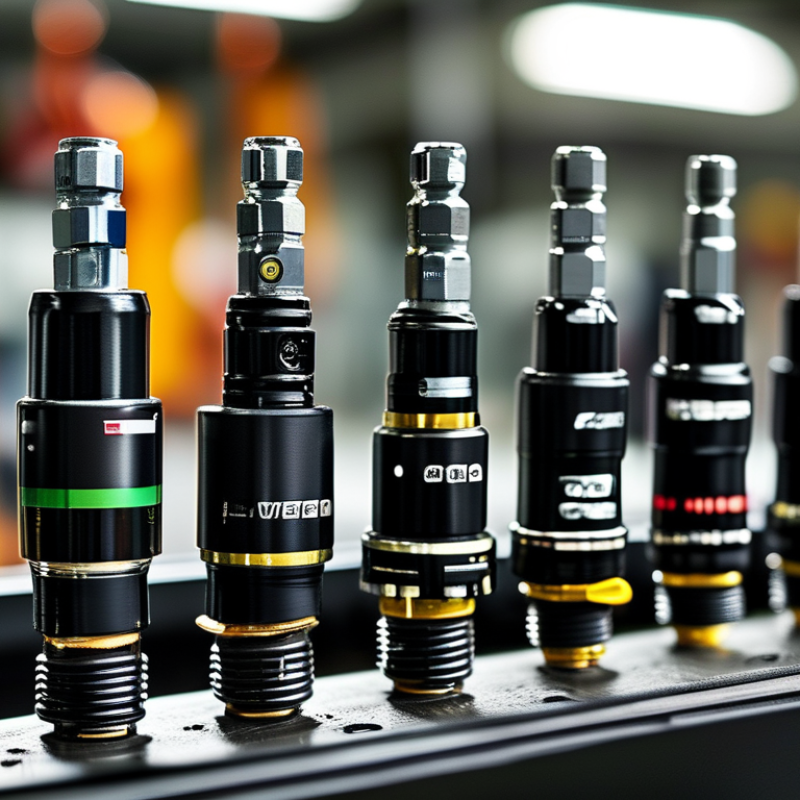
Understanding the Types of Auto Electrical Connectors Available
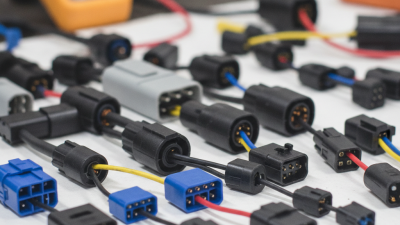
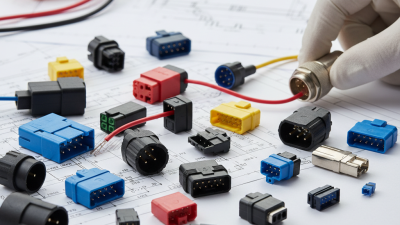
When selecting auto electrical connectors, understanding their types is crucial. Connectors come in various forms, designed for specific applications. The most common types include spade connectors, ring connectors, and bullet connectors. Each type serves a unique function, ensuring reliable electrical connections in vehicles. According to the Automotive Connector Market report by Mordor Intelligence, the markets for these connectors are projected to grow significantly, further emphasizing their importance.
Spade connectors, for instance, feature flat metal blades designed for quick connections and disconnections. They are widely used in automotive battery wiring due to their ease of use. Ring connectors, on the other hand, are designed to offer a secure connection. They are frequently used for grounding. Bullet connectors can accommodate wires of varying gauges, allowing for flexibility in design. Despite their different functionalities, all connectors should ideally be weatherproof and durable.
Choosing the right connector depends on the specific needs of your vehicle. Some connectors might require more frequent maintenance. This fact highlights the importance of thorough research. Many users overlook the significance of connectivity testing. Inadequate testing can lead to intermittent failures, resulting in performance issues. Understanding the types and their applications is essential for making informed decisions in auto electrical systems.
Types of Auto Electrical Connectors
Factors to Consider When Selecting Auto Electrical Connectors
When selecting auto electrical connectors, several factors come into play. The type of connector you choose can significantly affect performance and longevity. According to industry reports, robust connectors can reduce failure rates by as much as 30%. Materials matter; for instance, connectors made from corrosion-resistant materials are ideal for harsh environments.
Compatibility is another critical factor. Ensure that the connector matches the vehicle's specific electrical system. Mismatches can lead to overheating and failure. A study shows that nearly 20% of electrical issues in vehicles can be traced back to incompatible connectors. Moreover, consider the connector's current carrying capacity. Connectors should handle the intended load to prevent overheating.
Tip: Always check the ratings on connectors before purchase. Look for documentation that verifies their performance standards. Quality matters, as inferior connectors often lead to frustrating repairs down the line.
Durability is essential, especially in automotive environments. Exposure to heat, moisture, and vibrations can lead to rapid degradation. Certain connectors are tailored for high-stress applications, so do your research. Even minor oversights in connector selection can lead to significant issues later. Make informed choices based on reliable data to enhance vehicle safety and performance.
Evaluating Compatibility with Vehicle Systems and Components
When choosing auto electrical connectors, understanding compatibility with your vehicle's systems is crucial. It's easy to overlook specific requirements, such as voltage ratings and current capacity. According to the Automotive Electronics Association, approximately 30% of electrical failures relate to improper connections. This statistic highlights the need to assess the compatibility of connectors with various components like sensors, switches, and wiring harnesses.
Consider the materials used in connectors. Corrosion resistance is vital for longevity. Quality connectors often utilize copper alloy terminals with gold or tin plating. This ensures reliable connectivity, even under harsh conditions. A study by the Society of Automotive Engineers emphasizes that high-quality connectors can reduce electrical resistance by up to 20%. This reduction can improve the overall efficiency of your vehicle’s electrical system.
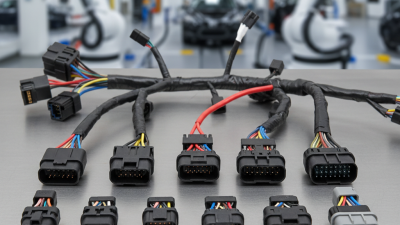
Evaluating the connector's design is equally important. Features such as locking mechanisms and insulation can impact performance. Misaligned connectors may lead to short circuits or signal loss. The International Electrotechnical Commission suggests regularly inspecting connectors for wear. Regular maintenance helps ensure that your vehicle operates safely and efficiently over time. Understanding these factors will ultimately enhance your decision-making process regarding auto electrical connectors.
Assessing Durability and Resistance to Environmental Conditions
When selecting auto electrical connectors, assessing their durability is crucial. The connectors need to withstand various environmental challenges. Factors like humidity, temperature fluctuations, and exposure to chemicals can degrade connector performance. Materials used in connectors play an essential role. For instance, connectors made from nylon or other robust plastics often resist corrosion better than others.
Resistance to environmental conditions ensures longevity. Connectors should maintain reliability even in extreme weather. UV resistance is important for outdoor applications. Testing the connectors under stress can reveal weaknesses. Look for specifications indicating strength against environmental factors.
Reliability is not just about materials. The design also influences performance. Poorly designed connectors may fail under pressure. It's essential to consider both manufacturing quality and intended use. A thorough understanding of your specific applications helps in making informed choices. Sometimes, a deeper analysis of connector performance in your actual environment reveals surprises. It may necessitate revisiting initial evaluations.
How to Choose the Best Auto Electrical Connectors for Your Needs? - Assessing Durability and Resistance to Environmental Conditions
| Connector Type |
Material |
Temperature Range (°C) |
Water Resistance Rating |
Vibration Resistance |
| GT Connector |
Nylon |
-40 to 125 |
IP67 |
High |
| Molex Connector |
Polycarbonate |
-40 to 105 |
IP68 |
Medium |
| Automotive Blade Connector |
Tin-Plated Copper |
-40 to 150 |
IP54 |
Low |
| Circular Connector |
Aluminum Alloy |
-55 to 125 |
IP67 |
High |
| Deutsch Connector |
Polyamide |
-40 to 125 |
IP69K |
Very High |
Tips for Proper Installation and Maintenance of Connectors
When installing auto electrical connectors, proper installation is crucial. Ensure cleanliness before you start. Dust or moisture can compromise connections. Use a soft cloth to wipe the surfaces. It's simple but vital.
Pay attention to the alignment of the connectors during installation. Misalignment can lead to poor connections and malfunctions. Push the connectors together firmly, but avoid excessive force. Over-tightening can cause damage.
Regular maintenance is equally important. Inspect connectors for corrosion, dirt, or wear. Clean them periodically with a suitable cleaner. If you notice any damage, consider replacing them. Maintaining these connectors can extend their life and ensure safety. Reflect on your methods and make adjustments as needed. A small oversight can lead to bigger issues later on.