2026 How to Choose the Best Electrical Harness for Your Needs?
Selecting the right Electrical Harness can be a daunting task. Each application has its unique requirements. Michael Johnson, an industry expert with over 20 years of experience, emphasizes, “The foundation of quality electrical systems starts with the right harness.” Choosing an Electrical Harness involves understanding your specific needs.
The complexity of modern devices demands precision. An Electrical Harness connects multiple components. It must endure various environmental factors like heat, moisture, and vibration. The wrong choice can lead to failures. Reviewing technical specifications is crucial, yet it can be overwhelming.
Consider the materials, lengths, and connector types. They significantly impact performance. Not all harnesses are created equal. Reflect on past experiences with outdated or incorrect harnesses. Such choices can result in costly repairs and downtime. Stay informed about innovations in this field. The right Electrical Harness can enhance efficiency and reliability.
Understanding Electrical Harness Basics and Components
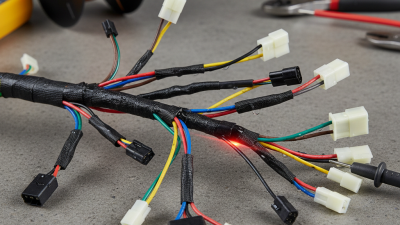
When choosing the best electrical harness for your needs, understanding the basics and components is crucial. An electrical harness typically comprises wires, connectors, and protective coverings. Each component plays a vital role in ensuring efficient electrical connectivity. Industry reports indicate that well-designed harnesses can reduce installation time by up to 30%. This efficiency can significantly impact project timelines and costs.
Quality matters. Harnesses should withstand mechanical stress and environmental factors. According to a study by the Society of Automotive Engineers, over 70% of electrical failures in vehicles are linked to harness issues. Thus, investing in quality materials and precision manufacturing is essential. It’s equally important to consider the specific application of the harness. Custom designs can lead to better performance but may require a deeper understanding of electrical principles.
Planning is fundamental. Before making a decision, assess the requirements of your project. Gather data on wire lengths, gauge, and the environment where the harness will operate. This knowledge can help avoid mismatches and performance issues later on. Test prototypes if possible. This iterative approach can reveal design flaws or inefficiencies early in the process. Electrical harnesses are integral to many systems; a well-informed choice can enhance reliability and safety significantly.
Identifying Your Electrical Harness Requirements and Specifications
Choosing the right electrical harness is crucial for any project. Start by assessing your specific requirements and how the harness will be used. Consider the environment in which it will function. Will it face extreme temperatures or exposure to moisture? Knowing these factors helps narrow down options.
Next, evaluate the specifications that matter most. Wire gauge, insulation type, and connector styles are just a few details to think about. If the voltage or current ratings are not aligned, the entire system may fail. Look for industry standards to guide your choices. These benchmarks can improve reliability.
Don’t overlook the importance of quality and safety. Sometimes, cheaper options may seem appealing, but they could lead to failures. It’s wise to factor in long-term performance. Reflection on past projects can offer valuable insights. Learning from mistakes is part of the process. Ensure that you choose a harness that truly meets your needs.
Evaluating Materials and Construction Quality for Durability
When choosing an electrical harness, material and construction quality are paramount for durability. Reports from industry experts indicate that harness failures often stem from poor material selection. For instance, using low-grade plastics can lead to brittleness over time, especially in harsh environments. Research shows that nearly 20% of harness failures are directly linked to material deficiencies.
Additionally, understanding the construction process plays a crucial role. Harnesses must withstand vibrations and temperature extremes. A well-constructed harness incorporates reinforced connections and strain relief features. Many studies indicate that harnesses with a higher tensile strength can endure 30% more stress before failing. However, some manufacturers neglect these specifications, leading to premature breakdowns.
It's essential to evaluate the testing standards used in production. Many harnesses are not rigorously tested for real-world conditions. Reflecting on this, users should demand transparency in testing protocols. Without stringent measures, harness performance can be unpredictable. Investing in quality materials and reliable construction may come at a higher price, but the long-term benefits are undeniable.
Comparing Different Types of Electrical Harness Designs
When selecting an electrical harness, understanding the different designs is crucial.
Electrical harnesses vary in types:
ribbon, circular, and flat-wire designs. Each serves specific applications. For instance, circular designs are common in aerospace, where space constraints are critical. They provide robust connections and facilitate weight savings. Ribbon designs, on the other hand, are often favored in automotive applications for their compactness and ease of installation.
The choice of harness design affects performance and durability. Industry reports indicate that improperly designed harnesses contribute to nearly 30% of electrical failures in vehicles. This data underscores the importance of making an informed choice. Evaluate the environment where the harness will be used. Factors like temperature, exposure to chemicals, and vibration play significant roles in determining the right design.
Consider these points. Choose materials wisely. For high-temperature environments, use silicone or PTFE. In contrast, for environments with high exposure to moisture, opt for materials with protective coatings. Always consult industry standards, as they provide reliable guidelines for harness design. Analyzing feedback and real-world performance data can lead to better decisions. Reflection on past projects can offer insights into potential pitfalls.
Ensuring Compliance with Industry Standards and Safety Regulations
When selecting an electrical harness, compliance with industry standards and safety regulations is crucial. Understanding these requirements ensures that the harness functions effectively and safely in its designated environment. Many industries, including automotive and aerospace, have specific codes governing the design and materials used. Ignoring these can lead to catastrophic failures.
It's essential to assess the materials used in the harness. Certain materials can withstand extreme temperatures and resist corrosion. This is vital for harnesses used in challenging environments. However, not all materials offer the same benefits, and some may fail under stress, leading to safety hazards. Conducting thorough material evaluations can help in making informed decisions.
Consider the environment where the harness will be installed. Factors like moisture, vibration, and temperature fluctuations can impact performance. Inexperience can lead to choosing an inadequate harness. Seek guidance from professionals or refer to reliable resources. Continuous education on evolving standards can strengthen your selections. Ultimately, prioritizing compliance and safety can save costly repairs and enhance user safety.