Top Tips for Choosing Terminal Cables for Your Projects?
When selecting the right terminal cables for your projects, it's essential to consider multiple factors. John Smith, a leading expert in electrical engineering, emphasizes, "Choosing the right terminal cables is crucial for efficiency." This highlights the importance of informed decision-making in any electrical project.
Terminal cables serve as the lifeline of electrical connections. They impact performance and safety. Poorly chosen cables can lead to inefficiencies. You might overlook crucial specifications, such as wire gauge or insulation type. Each cable type serves specific functions, and understanding these nuances is vital.
Investing time in understanding terminal cables pays off. It ensures optimal performance in your projects. The right choice can enhance durability and reliability, reducing risks of failure. Consider reaching out to industry professionals. Their insights can guide your selection process, helping you avoid costly mistakes.
Understanding Different Types of Terminal Cables for Projects
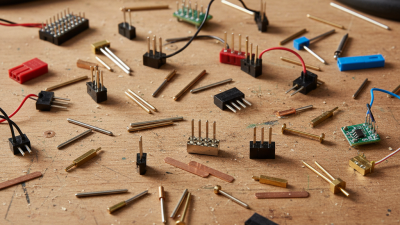
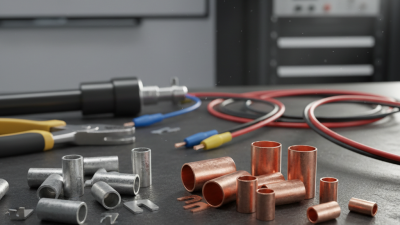
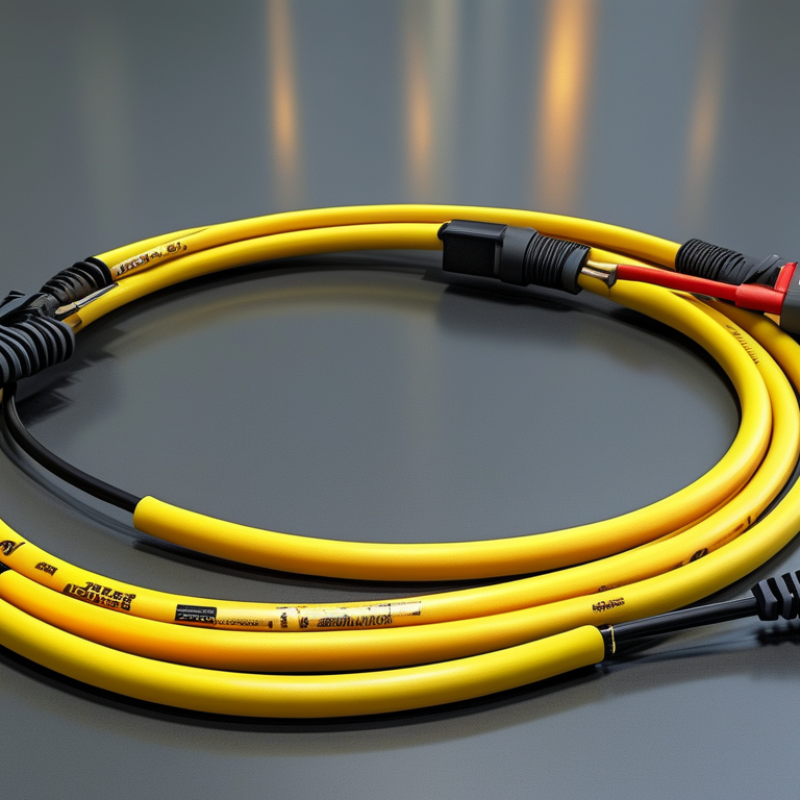
When selecting terminal cables for your projects, understanding the different types available is crucial. Terminal cables come in various configurations, including ring, spade, and blade terminals. Each type serves specific purposes. For example, ring terminals are ideal for secure connections, while spade terminals allow for easy disconnection. Knowing the application of each can determine the success of your project.
Considering the wire gauge is equally important. Thicker wires can handle higher currents but are less flexible. Conversely, thinner wires offer better flexibility but may not support heavy loads. It is vital to match the cable size to your project's requirements. In some cases, users may overlook manufacturer specifications, leading to potential failures.
It's essential to check for insulation types too. Some cables have better resistance to heat or chemicals, while others are designed for more general use. Not every project requires the same level of protection. Evaluating the environment where the cables will be deployed helps in making the right choice. If unsure, consulting with professionals can offer valuable insights.
Factors to Consider When Selecting Terminal Cables
Choosing terminal cables for your projects is more than surface-level selection. Consider the cable material first. Copper is a popular choice due to its excellent conductivity. However, aluminum can be lighter and more cost-effective for certain applications. Reflect on your project’s needs. Will your cables face high temperatures or exposure to moisture? These factors can influence durability and performance.
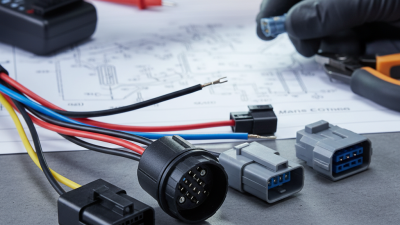
Next, think about gauge size. A thicker cable can handle more current, but too thick can be cumbersome. Look for a balance that fits your setup without being overly bulky. Additionally, check the connectors. Quality connectors ensure reliable connections and reduce the risk of failure. If you're unsure about the specifications, seek expert opinions or refer to reliable resources.
Lastly, consider the cable’s insulation. Proper insulation protects against short circuits and environmental damage. Yet not all projects require the highest grade. Evaluate what your specific project demands. Finding the right terminal cable requires thought and understanding of your needs. It’s a process that often reveals new insights into your project’s requirements.
Assessing the Electrical Specifications of Terminal Cables
When selecting terminal cables for your projects, understanding electrical specifications is crucial. Different projects demand unique characteristics from terminal cables. One key factor is the voltage rating. Ensure the cables can handle the maximum voltage your application requires. For instance, if using cables in a solar power installation, anticipate higher voltage levels. Selecting the right rating can prevent overheating and potential hazards.
Current carrying capacity is another major consideration. Cables that are too thin may not sustain the necessary current, leading to failure. Consider the gauge of the wire in relation to your project's requirements. Larger diameters generally accommodate more current but can be less flexible. Additionally, insulation type plays a role. Selecting the appropriate insulation prevents short circuits and enhances durability.
Testing and certification matter, too. While many cables appear similar, quality varies widely. Look for cables that have passed relevant industry tests. This can provide assurance of performance and safety. It's also important to think about your specific environment. Resistive properties and temperature ratings can change based on surroundings. A cable that works in one setting may fail in another. Always perform due diligence to find the right balance for your needs.
Evaluating the Environmental Conditions for Cable Use
When selecting terminal cables, understanding environmental conditions is crucial. Temperature fluctuations can greatly impact cable performance. For instance, cables exposed to extreme heat may degrade faster. A report from the Institute of Electrical and Electronics Engineers states that heat can reduce the lifespan of cables by 30%. In contrast, low temperatures can also affect conductivity, causing inefficiencies.
Humidity is another factor. High moisture levels can lead to corrosion. According to the National Electrical Manufacturers Association, cables in wet environments require specific materials to ensure durability. Cables insulated with moisture-resistant materials show a longer lifespan, even in challenging conditions. Choosing the right insulation type can prevent potential failures and costly repairs.
Consider dust and contaminants as well. In industrial settings, fine particles can interfere with connections. Dust accumulation may create short circuits. Regular maintenance can help but investing in better-quality connectors could mitigate the problem. This decision reflects a balance between cost and reliability, which often requires careful consideration.
Top Tips for Choosing Terminal Cables for Your Projects
Best Practices for Terminal Cable Installation and Maintenance
When it comes to terminal cable installation, attention to detail is crucial. A report by the International Electrotechnical Commission states that improper installation can lead to a 30% reduction in cable lifespan. It's essential to handle cables carefully during installation. Avoid bending them too sharply, as this can create stress points. Each terminal connection should be inspected closely for proper seating and tightness. Any loose connections can result in increased resistance, leading to overheating.
Regular maintenance is just as vital. Monitoring cable conditions can help identify issues early. Data from the Electrical Safety Foundation International indicates that 25% of electrical failures in industrial settings are due to neglected cable maintenance. Establishing a routine inspection schedule is beneficial. Look for signs of wear, such as insulation damage or corrosion. Regular cleaning can also prevent dust buildup, which can interfere with connections over time. Being proactive in your approach can enhance the reliability and longevity of your terminal cables.