Sourcing quality Board Electronics can be a challenging task. The rapid advancements in technology make it crucial for manufacturers to stay updated. Understanding the specific requirements of your project can lead to better decisions.
When selecting Board Electronics, consider the components' reliability and performance. High-quality materials can enhance durability and efficiency. Take time to evaluate suppliers deeply. Look into their reputation and past customer experiences.
Mistakes in sourcing can result in costly delays or product failures. It's essential to have a structured approach to avoid pitfalls. Gather input from experts in the field. Continuous learning and adaptation can significantly improve sourcing strategies for Board Electronics.
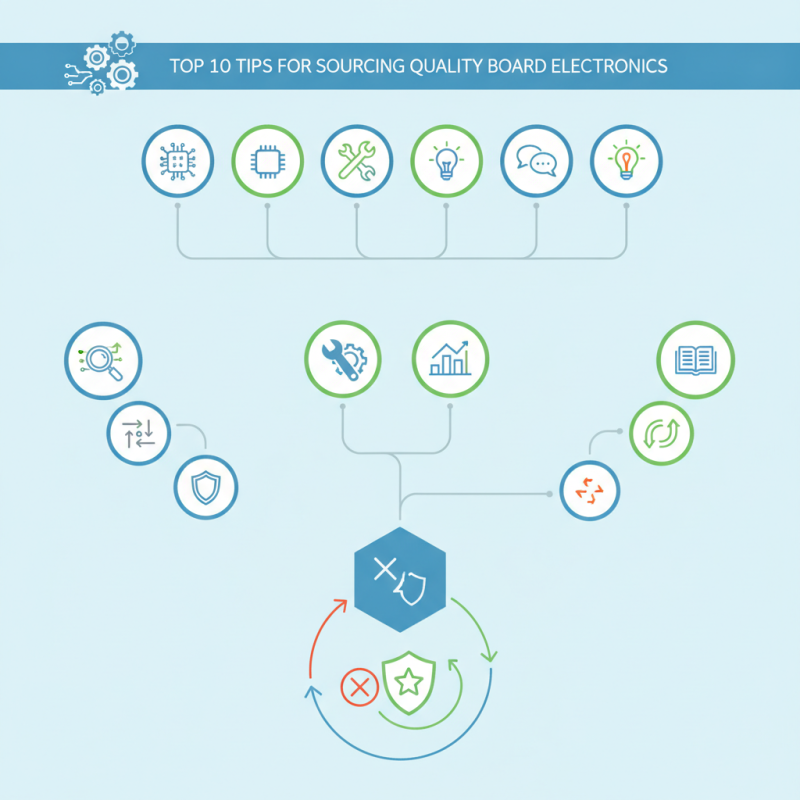
In the realm of electronics, sourcing quality board components is crucial. Poor-quality components can lead to product failures, increased costs, and any delay in time to market. According to a report by IPC, nearly 30% of manufacturers faced significant quality issues in 2022, highlighting the need for conscious sourcing practices. Understanding quality means recognizing factors like reliability, performance, and compliance with industry standards.
Many electronics manufacturers prioritize rigorous testing for board components. This includes environmental testing, durability assessments, and performance metrics. Recent statistics showed that electronics with high-quality components experience 40% fewer failures over their lifecycle. It's essential to partner with reliable suppliers and ask for their certifications and previous performance records.
However, not all quality assessments are perfect. Some suppliers may provide misleading information or certifications. This encourages a critical review of sourcing practices. Engaging with third-party testing labs can provide additional assurance but may increase costs. All manufacturers must weigh these aspects against their budgets. Critical reflection on sourcing decisions can prevent long-term issues and enhance product integrity.

When sourcing quality board electronics, identifying reliable manufacturers and suppliers is crucial. Start by examining their experience in the industry. A manufacturer with years of expertise often ensures better quality control and consistency. Look for companies that showcase their certifications. Relevant industry standards indicate a commitment to quality.
Visit their facilities if possible. Observing their production processes can reveal a lot about their operations. Quality control measures, employee training, and equipment state are areas to inspect closely. Communication is key. Suppliers should be responsive and transparent about their capabilities. If they hesitate to provide details, consider this a red flag.
It’s important to check reviews and references from other clients. Real feedback helps assess reliability. While you may find some positive testimonials, be wary of overly favorable reviews that seem disingenuous. Taking the time to research and reflect can save you from future troubles. Consider asking for samples before committing to larger orders. This allows you to evaluate their products firsthand without risking a big investment initially.
| Tip Number | Advice | Consideration | Expected Outcome |
|---|---|---|---|
| 1 | Research Potential Suppliers | Examine their history and reviews | Increased confidence in supplier's reliability |
| 2 | Verify Certifications | Check relevant industry certifications | Assured quality and compliance |
| 3 | Request Samples | Evaluate product quality before bulk orders | Reduced risk of poor-quality products |
| 4 | Assess Production Capacity | Ensure they can meet your demand | Timely delivery of orders |
| 5 | Evaluate Communication Skills | Consider their responsiveness to inquiries | Smooth transaction process |
| 6 | Inspect Quality Control Procedures | Understand their quality assurance practices | Consistency in product quality |
| 7 | Check for Warranty and Support | Assess their warranty offerings | Protection against defects |
| 8 | Compare Pricing | Research market pricing standards | Ensured competitive pricing |
| 9 | Look for Long-Term Partnerships | Consider potential for long-term collaboration | Benefit from stable supply and pricing |
| 10 | Seek Feedback from Other Customers | Gather insights on their operational experience | Informed decision-making |
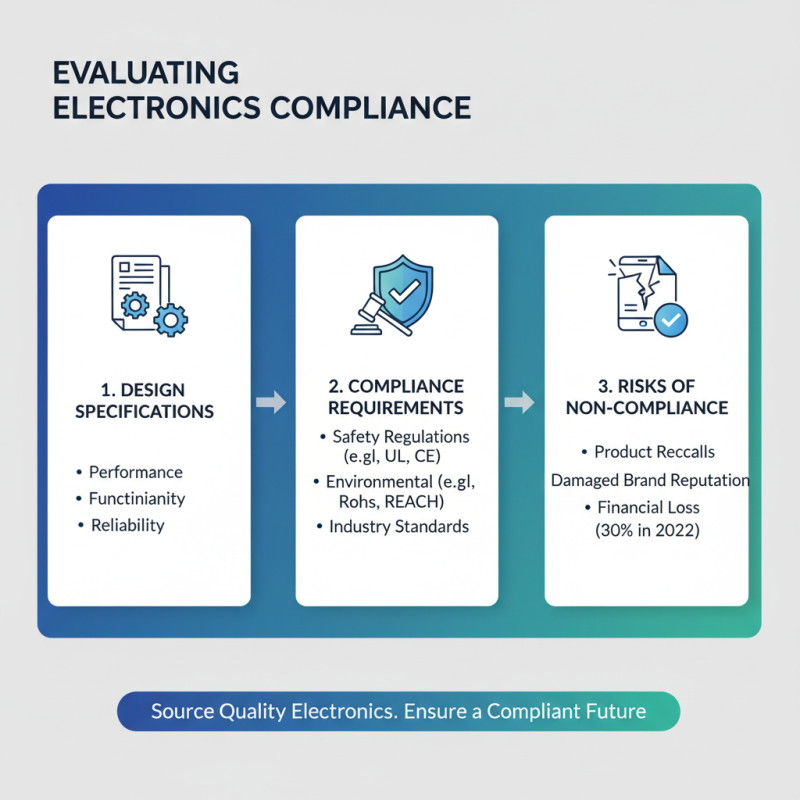
When sourcing quality board electronics, evaluating design specifications and compliance requirements is crucial. Industry reports suggest that non-compliance can lead to product recalls, affecting brand reputation and profitability. In 2022, nearly 30% of electronics companies faced compliance-related challenges, as noted by the Electronics Industry Association. Understanding compliance standards ensures products align with safety and environmental regulations.
One key tip is to specify clear design criteria. This includes understanding functionality, material types, and production methods. Engage manufacturers early in the design phase to mitigate misconceptions. Communication can clarify expectations and refine designs. Also, conducting thorough reliability tests can help validate that products meet the desired specifications.
Regular audits of suppliers can reinforce compliance integrity. A study revealed that companies performing periodic assessments reduce defect rates by over 20%. This practice fosters a culture of quality and accountability. Moreover, maintaining a checklist of regulatory requirements can streamline evaluations. It emphasizes the need to stay informed about changing regulations, which can differ by region.
When sourcing quality board electronics, conducting thorough quality assurance and testing procedures is vital. A systematic approach can uncover potential issues early. Start by defining clear testing parameters. Consistency in criteria helps maintain uniformity in evaluation. Always choose a reliable testing facility. This decision can influence the overall product quality.
Employ multiple testing methods. Functional testing is crucial, but don’t overlook environmental tests. These can reveal weaknesses in various conditions. Consider durability tests to gauge long-term performance. Remember, meeting standards is just the baseline; strive for excellence.
Open communication with suppliers remains essential. Share expectations clearly and confirm their understanding. Regular updates on testing outcomes can enhance transparency. Sometimes, the results might reveal unexpected defects. Use these learning moments to refine your processes. Quality needs continuous improvement and reflection. Always ask: What can be done better next time?
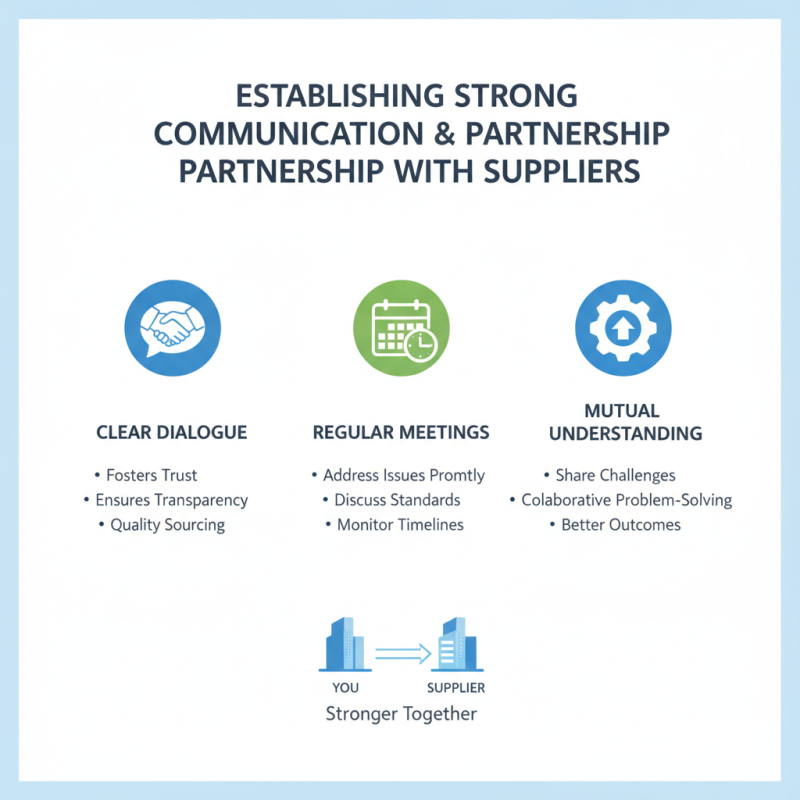
Establishing strong communication with suppliers is crucial for sourcing quality board electronics. Clear dialogue fosters trust and transparency. Regular meetings can help address issues promptly. This includes discussing quality standards and delivery timelines. Make an effort to understand their challenges too. When both sides are open, it leads to better outcomes.
Building a partnership is equally important. This means treating suppliers as collaborators, not just vendors. Share your goals and values. When suppliers align with your vision, they often go the extra mile. Consider involving them in product development. This not only improves compatibility but also strengthens your relationship.
Reflect on how often you engage with your suppliers. Are you proactive or reactive? Good communication is a two-way street. Both parties must feel comfortable sharing feedback. Sometimes, misunderstandings can arise, even with the best intentions. Acknowledging these moments can help improve future interactions.