Leave Your Message

Why Is Electrical Harness Quality Important?

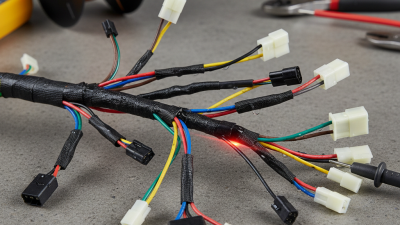
An Electrical Harness may look like a bundle of wires, terminals, clips, and protective sleeves. In service, it carries power and signals through vibration, heat, moisture, and repeated movement. A loose crimp can create resistance and heat. A pinched wire may interrupt a sensor signal. Small defects can become expensive failures.

Quality is therefore more than neat assembly. It depends on conductor selection, crimp control, connector fit, routing, inspection, and traceable testing. IPC/WHMA-A-620 sets widely used workmanship acceptance criteria for cable and wire-harness assemblies. In aerospace, the FAA’s guidance on electrical wiring interconnection systems treats wiring integrity as a safety concern. These references help define checks; they do not guarantee that every assembly will perform perfectly.

W. Edwards Deming, a quality-management expert, said, “A bad system will beat a good person every time.” His point applies on the production floor: skilled technicians still need clear specifications, calibrated tools, and reliable process controls. A missed pull test matters. So does a rushed inspection. And quality can slip.

The practical evidence is often visible: a terminal that backs out during testing, insulation marked by a sharp bracket, or a label that cannot be read after installation. These details deserve attention before shipment, not after a vehicle or machine stops. No checklist catches everything. That is worth remembering. Strong Electrical Harness quality reduces preventable faults, supports dependable operation, and gives engineers better evidence when something goes wrong.
Why Is Electrical Harness Quality Important?

What an Electrical Harness Does in an Electrical System

Why Is Electrical Harness Quality Important?

An electrical harness gives a system an organized route for power and signals. It bundles wires, connectors, and protective coverings, then guides them around components and moving parts. In a vehicle or machine, each branch must reach the right device and carry its intended load. A loose connector can interrupt a signal; a wire rubbing against a sharp bracket can wear through its insulation. Good routing also helps technicians trace circuits and service equipment. A tidy harness is not automatically a reliable one: terminal fit, insulation, strain relief, and assembly consistency matter too. Small defects can hide beneath a neat outer sleeve.

The NFPA report Electrical Fires estimated 46,700 U.S. home structure fires per year involving electrical failure or malfunction from 2015 to 2019. Those figures cover electrical failures broadly, not harnesses alone, but they show why dependable connections and careful inspection matter. Harness quality supports stable operation and helps reduce avoidable electrical risks.

Tips: Check connectors for looseness, inspect insulation near bends and hot surfaces, and confirm wires are secured without being pinched. Record recurring faults; a visual check cannot reveal every hidden defect.

Key Factors That Determine Harness Quality

Electrical harness quality starts with the materials and design choices behind each connection. Wire size must match the expected current and operating temperature; undersized conductors can overheat, while overly stiff wires may strain at bends. Insulation should suit the surrounding heat, moisture, vibration, and chemicals. Small details matter. A seal that looks intact on the bench may still fail if it is poorly seated.

Crimping is another key factor. A properly formed crimp grips the conductor strands without cutting them, and consistent tooling helps reduce variation between assemblies. Inspectors can check crimp height, pull strength, and terminal alignment. Routing matters too: tight bends, sharp edges, and unsupported branches can damage insulation over time. In a vehicle or machine, a harness should stay clear of moving parts and remain secured at practical intervals.

Testing should reflect real use, not just a quick continuity check. Resistance, insulation integrity, and connector retention may all need verification, depending on the application. Clear build records help teams trace materials, settings, and inspection results when a defect appears. No test is perfect. Sampling can miss a weak connection, and even experienced technicians can overlook a routing issue when access is awkward. That is why repeatable work instructions and careful reviews are essential.

How Poor Harness Quality Leads to System Failures

An electrical harness carries power and signals through a system, often where wires bend, vibrate, and face heat. When insulation is nicked or a terminal is poorly crimped, resistance can rise at a single connection. That small fault may cause voltage drops, warm connectors, or signals that arrive intermittently. The circuit may still work during a quick bench test. That is enough to create false confidence. Poor sealing can also let moisture and dust reach contacts, encouraging corrosion over time. Heat leaves clues.

In a moving machine, loose routing can rub insulation against a sharp bracket. Eventually, exposed conductors may touch, interrupting operation or damaging connected components. Intermittent faults are worse. They may appear only during vibration, making diagnosis slow and frustrating. A practical quality review checks crimp consistency, wire routing, strain relief, connector fit, and insulation condition. Electrical tests matter, but they do not reveal every weakness; a harness can pass continuity testing and still fail under repeated flexing. Inspection criteria also need judgment, because a tidy appearance alone cannot prove a reliable connection. Teams should compare test results with the actual temperature, movement, and environmental demands of the installation.

Why Is Electrical Harness Quality Important? - How Poor Harness Quality Leads to System Failures
Harness quality issue How the failure can occur Possible system consequence Useful inspection or test Quality control measure
Incorrect crimp termination A crimp may be loose, over-compressed, or made with an unsuitable terminal and wire combination, increasing contact resistance or allowing the conductor to pull out. Intermittent connections, voltage drop, localized heating, or loss of power to a connected device. Visual inspection, crimp-height measurement, and a specified pull-force test on process samples. Use validated tooling and compatible parts; monitor crimp dimensions and perform documented sample testing.
Damaged insulation Cuts, abrasion, pinching, or excessive bending can expose conductors or reduce the insulation’s protective thickness. Short circuits, leakage current, unintended circuit operation, or electric shock risk, depending on the application. Visual and tactile inspection; insulation resistance or dielectric testing where required by the design and applicable standards. Protect wires during assembly and routing; control bend radius and prevent contact with sharp edges or moving parts.
Incorrect wire or circuit routing A wire may be connected to the wrong cavity or routed differently from the approved schematic or assembly layout. Reversed polarity, incorrect signals, unexpected actuator behavior, or damage to connected components. Point-to-point continuity testing, pin-to-pin verification, and comparison with controlled wiring documentation. Use clear wire identification, controlled drawings, connector cavity checks, and end-of-line electrical testing.
Incomplete connector engagement A connector may not be fully seated, or a secondary lock may not be engaged, leaving terminals vulnerable to movement or separation. Intermittent faults, open circuits, signal interruptions, or disconnection under vibration. Check connector seating and lock engagement; conduct a retention check where specified. Define assembly instructions and acceptance criteria; verify terminal position and connector locking during inspection.
Inadequate strain relief or support Repeated movement, tension, or vibration is transferred directly to terminals and conductor strands when the harness is poorly supported. Fatigue damage, broken strands, loosened terminals, or intermittent operation over time. Inspect support points and routing; perform application-specific vibration or flex testing when required. Secure the harness at defined intervals and keep loads away from connector terminations, following the design requirements.
Unsuitable conductor size A conductor with insufficient cross-sectional area for the circuit’s current, length, temperature, and installation conditions can experience excessive voltage drop or heating. Reduced equipment performance, insulation aging, nuisance protection trips, or overheating if the circuit is not adequately protected. Verify the wire specification against the design; check voltage drop and temperature rise under defined operating conditions. Select wire using applicable electrical design rules, installation conditions, and overcurrent protection requirements.
Moisture or contaminant ingress Damaged seals, unsealed cable entries, or contamination can allow water, dust, or chemicals to reach conductive contacts. Corrosion, increased contact resistance, leakage paths, or loss of electrical continuity. Inspect seals and cable entries; apply the specified environmental ingress test when required. Use components and sealing methods suitable for the operating environment; protect seals during assembly and service.
Insufficient electrical verification Assembly defects can remain undetected if continuity, isolation, pin assignment, or other required tests are skipped or poorly controlled. Defective harnesses may reach installation, increasing troubleshooting time, rework, downtime, and safety risk. Review test records and verify that the test covers the harness’s documented circuits and acceptance criteria. Use a documented inspection and test plan, calibrated equipment, traceable results, and corrective-action procedures.

The Safety and Reliability Benefits of a Quality Harness

Why Is Electrical Harness Quality Important?

A quality electrical harness protects people by keeping current on a controlled path. Correct wire sizing limits overheating, while secure crimps and sealed connectors resist vibration, moisture, and corrosion. Poor joints can develop excess resistance, creating heat or intermittent faults that are difficult to spot during routine checks. Small defects matter.

NFPA estimated an average of 32,620 U.S. home fires each year involving electrical distribution or lighting equipment from 2015 to 2019. Those fires caused an estimated 430 deaths annually. The figures cover many electrical causes, not harness failures alone, but they show why dependable wiring deserves careful attention. In vehicles and machinery, a damaged harness can also interrupt critical functions without warning.

Consistent workmanship helps. The IPC/WHMA-A-620 standard provides acceptance criteria for cable and wire-harness assemblies, including crimping, soldering, and insulation. Proper routing, strain relief, and abrasion protection matter just as much as a clean-looking connector. Quality checks should include fit, continuity, and inspection under realistic operating conditions. Inspection is not magic; some faults emerge only after heat, movement, or repeated use. A harness that is documented and tested for its actual environment is more dependable, though no inspection can promise zero failures.

How Harness Quality Is Verified Through Inspection and Testing

A harness can look clean and still hide a loose crimp beneath its insulation. That is why verification combines visual inspection with electrical and mechanical tests. IPC/WHMA-A-620 sets workmanship acceptance criteria for cable and wire harness assemblies, including crimps, connectors, and routing. Inspectors check for damaged insulation, exposed strands, incorrect pin positions, and strain on terminals. Small details matter. A conductor bent sharply at a connector may pass a quick glance but fail after repeated vibration.

Testing turns observations into recorded evidence. Continuity checks can reveal open circuits or crossed wires; insulation-resistance and dielectric tests can identify unwanted leakage between conductors. Pull testing evaluates whether a crimp can withstand specified force. NASA-STD-8739.4 also defines process and workmanship controls for interconnecting cable and harness assemblies. Limits should follow the product design and applicable acceptance criteria, not a convenient generic number. A useful inspection report records the sample size, defect count, measured values, equipment, and pass/fail limits. “Passed” alone is thin evidence. Even thorough checks have limits: a test fixture may miss a fault that appears only under heat or motion, so verification plans deserve regular review.

Why Is Electrical Harness Quality Important?

How harness quality is verified through inspection and testing

Continuity and resistance tests can help identify open circuits, damaged conductors, and poor crimp connections. The chart shows representative DC resistance values for copper AWG conductors at 20°C; actual harness acceptance limits depend on the design, conductor construction, length, and test conditions.