What to Look for When Sourcing Printed Circuit Boards?
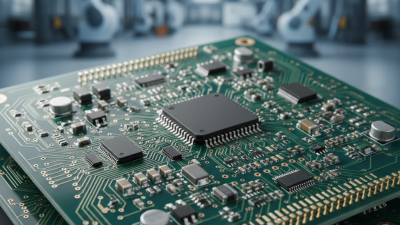
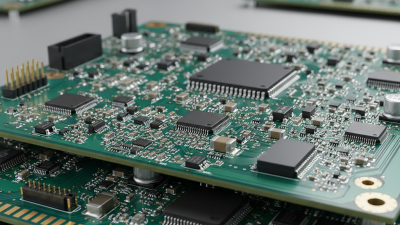
When sourcing Printed Circuit Boards (PCBs), it's essential to consider various factors that influence quality and performance. PCBs are crucial components in electronic devices. They connect different elements and facilitate communication within circuits. The reliability of a PCB influences the overall function of the end product.
One must assess the manufacturer's expertise. Look for experience and a track record in producing high-quality PCBs. Check for certifications that affirm their commitment to industry standards. Additionally, consider the materials used in PCB production. Quality materials lead to better durability and reliability.
Price is a significant factor, but it should not overshadow quality. Sometimes, lower prices can compromise performance, leading to failures. Always ask for samples to evaluate PCB quality. It is wise to reflect on these aspects before making a decision. Your choice will impact the success of your products significantly.
Key Factors Influencing PCB Quality and Performance
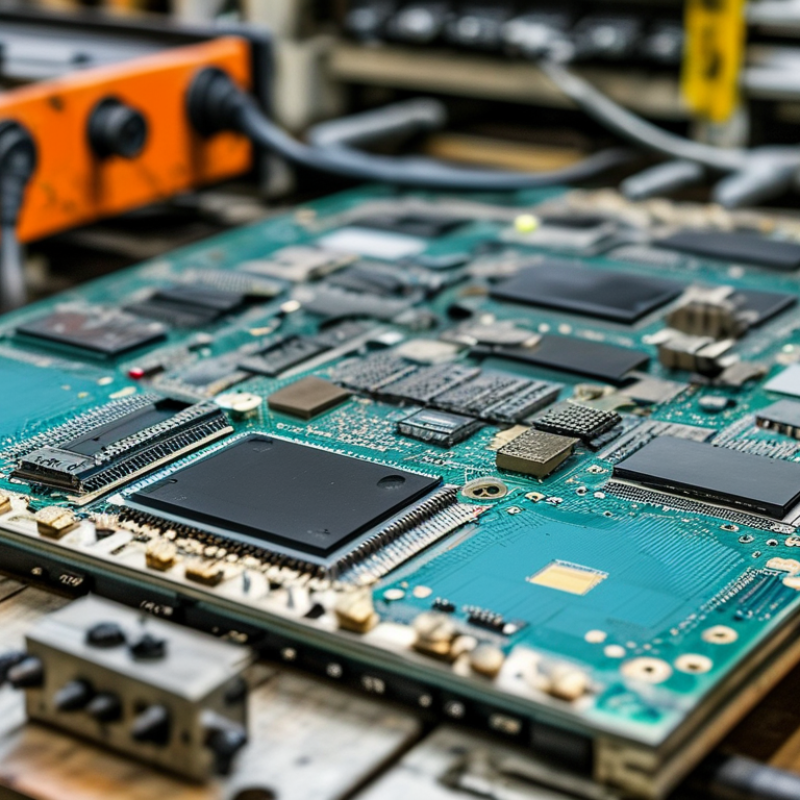
When sourcing printed circuit boards (PCBs), several key factors significantly impact their quality and performance. One major aspect is the choice of materials. High-quality substrates, solder masks, and finishes play a crucial role in the board's durability and functionality. For instance, FR-4 is a widely used substrate, but variations exist that can affect thermal performance and electrical properties.
The manufacturing process also greatly influences the end product. Techniques such as etching, layering, and plating must be executed precisely to prevent defects. Even minor errors during these processes can lead to failures in electrical connectivity or physical integrity. A reliable supplier should provide detailed process documentation to ensure transparency and quality control.
Another important consideration is the testing methodologies employed. Rigorous testing should be applied throughout the manufacturing process, including functional and reliability tests. This ensures that the PCBs meet your specifications under various operational conditions. However, testing can sometimes be overlooked, leading to potential issues down the line. Reflecting on these key factors can guide you in making informed sourcing decisions that enhance overall product performance.
Evaluating PCB Manufacturer Capabilities and Certifications
When sourcing printed circuit boards (PCBs), evaluating manufacturer capabilities is crucial. A reliable supplier ensures not only quality but also compliance with industry standards. A report by research firm ACG suggests that 70% of PCB failures stem from poor manufacturing practices. Therefore, certifications like ISO 9001 and IPC standards become essential indicators of a manufacturer’s credibility and capability.
Additionally, assess the manufacturer’s production capabilities. Look for details such as material types and layer counts they can handle. A manufacturer should provide clear data on their capacity for rapid prototyping. Only 30% of manufacturers offer advanced technologies for quick turnarounds. This statistic highlights the need for careful selection based on your project's urgency and complexity.
Consider the manufacturer's experience in your specific sector. A vendor with extensive industry experience can offer valuable insights and solutions. Yet, not all manufacturers disclose their project history transparently. This lack of information can be a red flag. Relying on reviews and case studies from other clients is vital, as it provides a glimpse into their reliability and performance. It's critical to engage with multiple stakeholders when making this decision, ensuring you consider all aspects before finalizing your choice.
Evaluating PCB Manufacturer Capabilities
Understanding PCB Materials and Their Impact on Functionality
When sourcing printed circuit boards (PCBs), understanding the materials is crucial. The type of substrate used can greatly affect performance. Common materials like FR-4, a composite of woven glass and epoxy resin, are popular for their cost-effectiveness and reliability. However, they may not always perform well in high-frequency applications.
Copper thickness is another critical factor. Thicker copper layers can handle more current and improve thermal management. Yet, sourcing thicker copper can significantly increase production costs. Manufacturers often cut corners to save money, which can lead to long-term reliability issues.
It’s also essential to consider dielectric properties. These properties impact signal integrity and speed. If the dielectric constant is inconsistent, it can cause signal distortion. Exploring different materials and their appropriate applications requires expertise. It’s not always straightforward, and manufacturers can make mistakes in material selection. That’s why a deep understanding of PCB materials is vital for achieving desired functionality.
Cost Considerations and Budgeting for PCB Production
When budgeting for printed circuit boards (PCBs), it’s crucial to consider various cost factors. Material quality can affect the price significantly. Higher-grade materials may increase initial costs but could enhance durability and performance. Evaluate the balance between performance and cost. Are you willing to pay more for longer-lasting circuits?
Labor costs also play a key role in PCB production. Skilled workers are essential for quality control and assembly. Sometimes, cheaper options may result in mistakes. Mistakes can lead to more expenses down the line. Assessing your production timeline helps, too. Rushed projects often lead to higher costs due to increased labor and shipping fees.
Remember, the cheapest option is not always best. Low prices can entice, but they may hide poor quality. Research manufacturers thoroughly. Look for reviews and past experiences. Checking certifications can add to a supplier's credibility. Each decision impacts your final product. Be prepared to adjust your budget based on these insights. Testing different suppliers could lead to unexpected variations in quality and price. Embrace the learning process to refine your sourcing strategy over time.
Assessing Lead Times and Delivery Reliability for PCB Orders
When sourcing printed circuit boards (PCBs), assessing lead times and delivery reliability is crucial. Lead time refers to the duration from order placement to project acceptance. Reliable delivery ensures your components arrive on schedule, directly impacting your production timelines. The choice of PCB supplier can make a significant difference.
Vetting suppliers for their track record can provide insights into their reliability. Review their delivery history and seek testimonials from previous clients. A supplier with consistent on-time performance is a better choice. It is reasonable to expect some fluctuations in lead times, but they should not be extreme. Inquire about their process for managing delays. They should have a system in place to communicate any issues promptly.
**Tip:** Set clear deadlines in your orders. This helps suppliers understand your urgency. Regular check-ins can also help keep your project on track. Additionally, consider sourcing from multiple suppliers. It provides a backup, enabling quicker resolutions if one supplier experiences delays. Being proactive and establishing relationships can greatly enhance your sourcing experience.
What to Look for When Sourcing Printed Circuit Boards? - Assessing Lead Times and Delivery Reliability for PCB Orders
| Supplier |
Lead Time (Days) |
Delivery Reliability (%) |
Cost per Unit ($) |
Minimum Order Quantity |
| Supplier A |
10 |
95 |
3.50 |
100 |
| Supplier B |
15 |
90 |
4.00 |
50 |
| Supplier C |
12 |
92 |
3.75 |
200 |
| Supplier D |
20 |
85 |
5.25 |
10 |