10 Tips for Using Flexible Wire Effectively in Your Projects?
In today's rapidly evolving technology landscape, the demand for Flexible Wire is on the rise. According to a report by the International Wire and Cable Manufacturers Association, the market for flexible wire is projected to grow by 6.5% annually through 2025. This is largely attributed to the increasing versatility of flexible wiring in various applications, from renewable energy solutions to smart home devices. Industry expert Dr. Emily Grant states, "The adaptability of Flexible Wire is transforming how we approach electrical design."
Effective use of Flexible Wire is crucial for both safety and efficiency in any project. The flexible nature allows for improved installation in tight spaces and reduces the potential for damage. However, improper handling can lead to complications. For instance, incorrect gauge selection can result in overheating and failures. Understanding the characteristics of various flexible wires is essential for maximizing their benefits.
Many professionals overlook the importance of proper techniques when working with flexible wire. Neglecting to consider wire fatigue or environmental factors can cause issues down the line. As the market grows, educating practitioners on best practices becomes vital. Each project offers a new chance to learn about the advantages and limitations of Flexible Wire, ensuring a reliable and successful outcome.
Understanding Flexible Wire and Its Applications
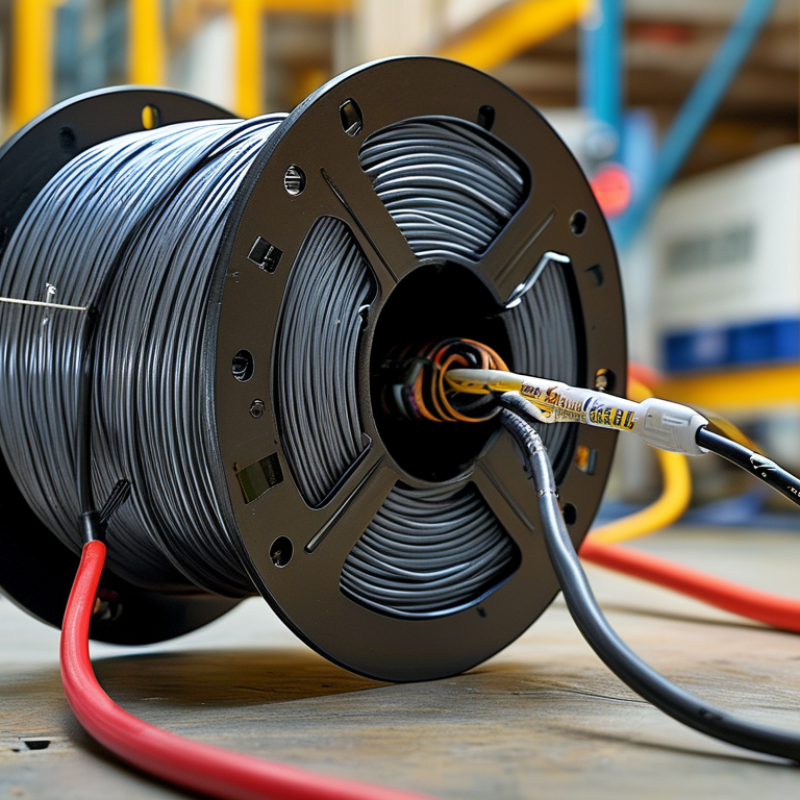
Flexible wire is a versatile material that can be used in various projects, from crafting to electrical applications. Understanding its properties helps in selecting the right type for your needs. It can easily bend and retain shapes, making it suitable for complex designs. This adaptability is a key factor in its applications across different fields.
When working with flexible wire, consider the following tips for effective use. Choose the appropriate gauge for your project. Thicker wires provide strength but are harder to manipulate. Thinner wires are easier to handle but may lack durability. Test different types of wires to find what suits your specific needs.
Proper tools can enhance your experience. Use wire cutters and pliers that match the wire thickness. Quality tools reduce frustration and improve results. Remember, practice is essential. You might encounter difficulties, especially with intricate designs. Analyzing your mistakes will foster improvement over time. Embrace the learning process, it’s part of mastering this material.
Selecting the Right Type of Flexible Wire for Your Project
When selecting the right type of flexible wire for your project, consider the intended application. Flexible wire comes in various types, each designed for specific uses. A recent industry report indicates that over 70% of failures in electrical projects are due to improper wire selection. Understanding the specifications of your project is crucial.
Look for materials that offer the right balance between flexibility and strength. For instance, copper wires are known for excellent conductivity and flexibility, making them a popular choice. Additionally, the American Wire Gauge (AWG) system defines wire diameter. Choose a gauge that fits your project’s current capacity while meeting the flexibility requirements. Reports show that using the incorrect gauge can lead to overheating and inefficiency in up to 30% of cases.
It is essential to factor in environmental conditions as well. Humidity, temperature, and exposure to chemicals can affect wire performance. Adapting to these elements is challenging but necessary for optimal results. Industry data reveals that over half of designers overlook these factors, resulting in project delays. Ensuring compatibility with your environment means selecting wires that can withstand specific conditions. Make sure to do thorough research and consult experts if needed.
Techniques for Properly Cutting and Preparing Flexible Wire
When working with flexible wire, proper cutting and preparation is crucial for project success. Start by selecting the right tools. Scissors may not be sufficient; a quality wire cutter ensures clean cuts. Dull cutters can fray the wire, leading to problems down the line. Always check your tools before starting.
Measure accurately before cutting the wire. This step may seem trivial, but errors can lead to wasted materials and time. Use a ruler or measuring tape for precision. Mark your cut points clearly to avoid guesswork. Be mindful of your workspace; a cluttered area increases the risk of mistakes. A clear, organized space enhances focus and efficiency.
After cutting, prepare the wire ends. Remove any burrs or jagged edges to prevent injuries during handling. Use a file or sandpaper for this process. It’s often overlooked, but can significantly impact safety and performance. Take the time to reflect on these small details, as they define the quality of your final project.
Best Practices for Connecting and Securing Flexible Wire
Using flexible wire in your projects can enhance creativity and functionality. Connecting and securing these wires requires care and precision. One crucial tip is to ensure you strip the wire ends properly. Stripping too much can lead to exposed areas, increasing the risk of shorts. Aim for about half an inch of exposed wire.
Another best practice is to use quality connectors. Poor connectors can lead to ineffective connections and potential failures. When soldering, heat the wire, not the solder. This helps create a stronger bond. Also, remember to consider the wire's gauge. A wire that is too thin for the application may cause overheating and failure.
When securing the wires, don't rush. Use heat shrink tubing or electrical tape to provide insulation. They protect against accidental touch and environmental factors. Check all connections for snug fit; loose connections can lead to intermittent issues. This process may take time, but diligence ensures reliability.
10 Tips for Using Flexible Wire Effectively in Your Projects
Safety Measures to Keep in Mind When Using Flexible Wire
When working with flexible wire, safety should always be your top priority.
In the electrical industry, improper handling of wire can lead to severe accidents. According to a report from the
National Fire Protection Association (NFPA),
over 47,000 home structure fires are associated with electrical distribution or lighting equipment each year. Being aware of potential hazards is crucial.
Using flexible wire requires attention to proper insulation and load ratings. Never exceed the wire’s capacity; this can lead to overheating.
Ensure that your workspace is clean and organized to avoid accidents. Employ wire cutters and strippers that are in good condition,
as damaged tools can lead to injury.
Consider the environment. Flexible wire should not be used in extreme temperatures or damp conditions unless specified.
Always check connections before powering up your project. Regular inspections can detect wear and tear early, preventing dangerous situations.
Review safety data sheets related to the materials being used in conjunction with the wire. This is an often-overlooked aspect that could
save you from serious consequences. Be mindful and cautious in your approach, and your projects will benefit from safe practices.