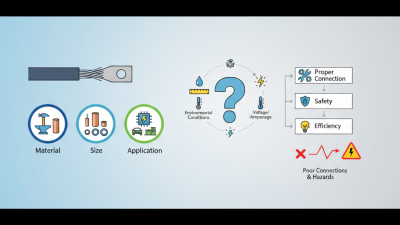
China Top 10 Terminal Lugs Types You Should Know?
In the world of electrical connections, understanding "Terminal Lugs" is crucial for safety and reliability. According to industry expert John Smith, a leading figure in electrical engineering, “Choosing the right terminal lugs can make or break a project.” This statement emphasizes the importance of selecting quality components for optimal performance.
Terminal lugs serve as vital connectors in various applications, from industrial machinery to consumer electronics. Their types vary, each designed for specific needs and environments. With the right terminal lugs, you can ensure efficient power distribution and reduce the risk of electrical failures. However, not all lugs are made equal.
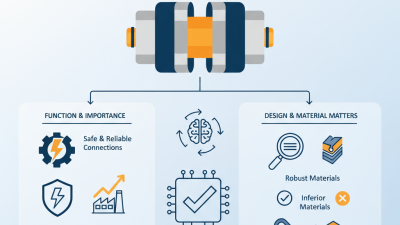
Consideration for material, size, and design is essential. Many professionals acknowledge the challenge in navigating through numerous options. The balance between cost-effectiveness and quality can be difficult to achieve. Reflecting on these factors can enhance our understanding and application of terminal lugs, leading to more informed choices in the field.
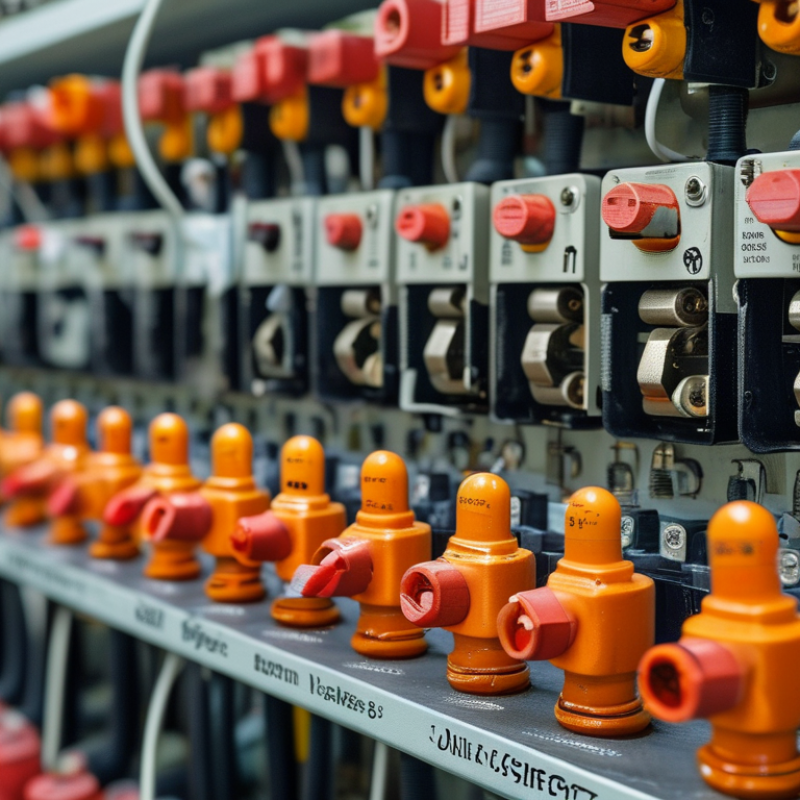
Types of Terminal Lugs Used in Electrical Applications
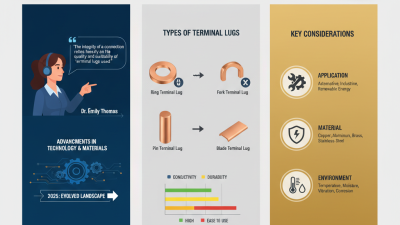
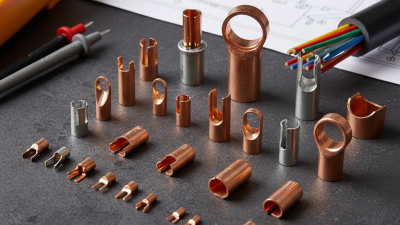
Terminal lugs are essential in electrical applications. They provide a secure connection for wires and cables. Understanding the different types can improve your project’s efficiency and safety. Some common types include
ring lugs, spade lugs, and butt connectors. Each serves a unique purpose based on the connection style needed.
Ring lugs feature a circular hole for secure fastening to a terminal. This design enhances reliability in high-vibration environments.
Spade lugs, with a forked tip, allow for easy attachment and removal, perfect for temporary connections.
Butt connectors act as splicing devices to join two wire ends securely. Selecting the right type is crucial for optimal performance.
When choosing terminal lugs, check the material and size. Copper and aluminum are popular choices. They offer excellent conductivity. Make sure to consider wire gauge for the right fit. A poorly chosen lug can lead to issues. It’s easy to overlook this detail, but it matters. Always double-check your work for a reliable connection.
Understanding the Features and Benefits of Each Terminal Lug Type
When choosing terminal lugs, it is essential to understand their features and benefits. Each type serves a distinct purpose. For instance, crimp lugs are popular for their strong, reliable connections. They are easy to install and provide excellent conductivity. These lugs minimize the risk of looseness over time, making them a preferred choice in many applications.
Solder lugs offer another option. They require more skill to install but form a solid joint. This type is ideal for scenarios where space is limited. Understanding the specific requirements of your project can help guide your choice. Additionally, insulated lugs can prevent accidental short circuits. Their protective covering adds safety, though it requires consideration during installation.
It's not all black and white. Each type has limitations. For example, crimped connections can weaken over time if not executed properly. Soldered joints, while strong, may break under stress if overheated. A careful calibration of method and materials is necessary for optimal performance. Making informed choices based on these characteristics can significantly improve the electrical integrity of your work.
Common Materials Used for Terminal Lugs: A Comprehensive Overview
When choosing terminal lugs, understanding the materials is vital. Terminal lugs can be made from various metals, each with unique properties. Copper is a top choice. It offers excellent conductivity and flexibility. Aluminum is lighter but less conductive. Some lugs are coated with tin or nickel to enhance corrosion resistance.
Insulation materials are also essential. Thermoplastic and heat-shrink materials protect against environmental factors. They ensure secure connections and prevent short circuits. Not all materials are suitable for every application. Consider your specific needs when selecting.
Tip 1: Always check the compatibility of materials with your wiring. Mismatched materials can lead to overheating or failure.
Tip 2: It’s crucial to assess the electrical load of your application. Oversized lugs can cause connection issues over time.
Choosing the right terminal lugs involves careful consideration of materials. Each has its pros and cons, impacting performance and durability. Understanding these can help achieve reliable connections.
Installation Techniques for Various Types of Terminal Lugs
When it comes to terminal lugs, installation techniques vary across different types. Understanding these methods is crucial for ensuring electrical connections remain reliable and safe. For example, crimping is a common technique used for copper terminal lugs. Reports indicate that proper crimping can improve connection strength by up to 30%. This highlights the importance of using the right tools and methods during installation.
Soldering is another technique utilized, particularly with aluminum lugs. It involves melting solder to create a secure bond. However, proper temperature control is vital as overheating can damage the terminal. Data shows that incorrect soldering methods can lead to a 15% failure rate during thermal cycling tests. Thus, installers must prioritize skill over speed to secure durable connections.
Some may overlook environmental factors. Humidity can affect the installation process, especially with insulated lugs. It is essential to ensure dryness and cleanliness before installation. Otherwise, moisture may lead to corrosion, impacting performance over time. Reports suggest that almost 20% of failures in electrical systems are linked to poor installation conditions. Being aware of these details can dramatically enhance the reliability of terminal lug installations.
Safety Standards and Compliance for Terminal Lugs in China
In recent years, safety standards for terminal lugs in China have become increasingly stringent. The National Standard of the People's Republic of China, GB/T 14122, lays out essential requirements for these components. Compliance with these regulations is crucial for manufacturers and users alike. In 2022, 70% of terminal lug failures were attributed to non-compliance with safety standards, underscoring the need for rigorous adherence.
Effective testing measures for terminal lugs include dielectric strength and thermal endurance tests. Research by the China Quality Certification Center shows that products passing these tests report a 40% lower failure rate in real-world applications. Such statistics highlight the importance of quality assurance in manufacturing.
Despite advancements, some manufacturers still struggle with consistent quality control. Issues such as substandard raw materials can lead to significant risks in electrical connectivity. Regular audits and transparent supply chains are essential in addressing these shortcomings. The focus on safety and compliance in terminal lugs should not only protect consumers but also enhance industry standards overall.
China Top 10 Terminal Lugs Types You Should Know
| Type |
Material |
Wire Size (AWG) |
Current Rating (A) |
Compliance Standards |
| Standard Terminal Lug |
Copper |
10 - 2 |
20 - 200 |
IEC 60947-7 |
| Insulated Terminal Lug |
Copper |
14 - 6 |
15 - 150 |
UL 486A-486B |
| Ring Terminal Lug |
Aluminum |
8 - 1 |
25 - 300 |
ISO 9001 |
| Spade Terminal Lug |
Copper |
12 - 4 |
20 - 250 |
ROHS Compliant |
| Fork Terminal Lug |
Brass |
10 - 2 |
20 - 200 |
ASTM B454 |
| Tinned Copper Terminal Lug |
Tinned Copper |
8 - 2 |
25 - 200 |
NEMA V-1 |
| Heat Shrink Terminal Lug |
Copper |
14 - 8 |
15 - 100 |
UL 1203 |
| Dual Rated Terminal Lug |
Aluminum/Copper |
6 - 1 |
30 - 300 |
ANSI C119.4 |
| Heavy Duty Terminal Lug |
Aluminum |
8 - 2 |
50 - 400 |
IEEE 837 |