Top Electrical Pin Types You Need to Know?
Electrical pins serve as crucial connectors in a vast array of electronic devices. Understanding the different electrical pin types enhances both design and troubleshooting processes. Each pin type has unique characteristics and applications, which can greatly influence performance and reliability.
Professionals in electronics often overlook the significance of selecting the right electrical pin. Common types include header pins, socket pins, and terminal pins. Each type varies in shape, size, and functionality, impacting how devices communicate and function. This knowledge empowers engineers and hobbyists alike to make informed decisions.
While it may seem simple, the world of electrical pins demands attention. Misuse can lead to failures or inefficiencies in circuits. It's essential to approach this topic with precision and a keen understanding of the available options. In this exploration, we dive deeper into the top electrical pin types, examining their uses, advantages, and challenges.
Understanding Electrical Pins: An Overview of Types and Functions
Electrical pins play a crucial role in various applications, from consumer electronics to industrial machinery. Understanding the types and functions of electrical pins can significantly improve design and connectivity. According to a recent industry report, the global market for electrical connectors is expected to reach $80 billion by 2027, emphasizing the importance of this component.
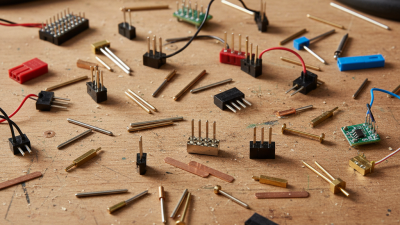
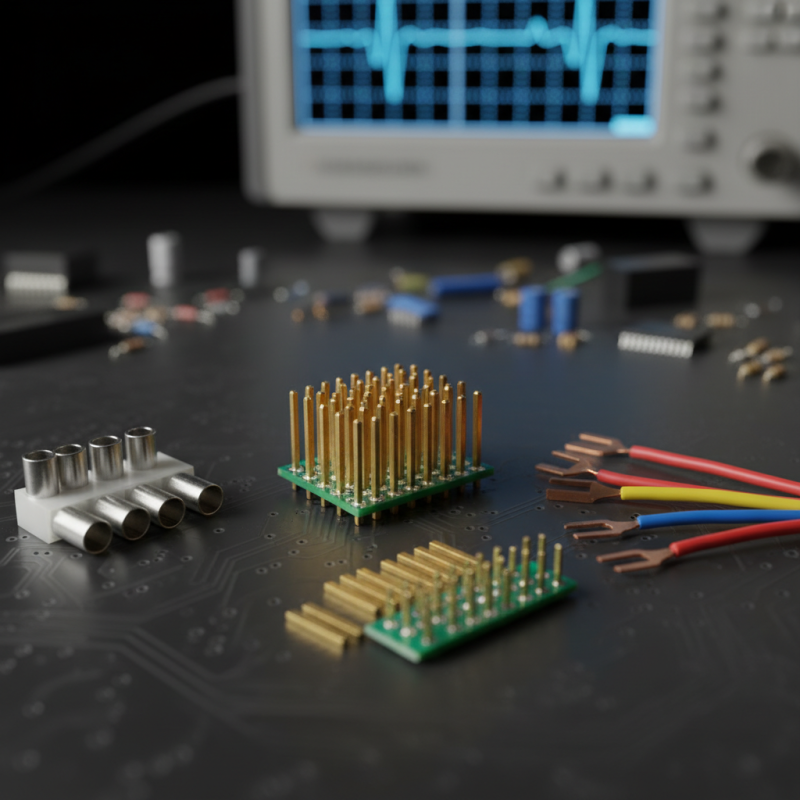
These pins come in several varieties. For example, the standard pin header is commonly used in prototyping boards. Its simple design allows for easy connection to different components. In contrast, a socket pin offers versatility for quick replacements. Another notable type is the power pin, which handles higher current loads. This can significantly impact energy efficiency, with studies showing optimized connections can reduce energy loss by up to 15%.
However, not all pins are created equal. Poor quality connections can lead to malfunctioning circuits. Users often overlook this, but it is essential. Proper pin choice and usage can prevent costly repairs down the line. Moreover, as technology advances, new pin types may emerge, requiring continuous learning in this field. Keeping abreast of these changes holds the key to future innovations.
Common Types of Electrical Pins Used in Various Applications
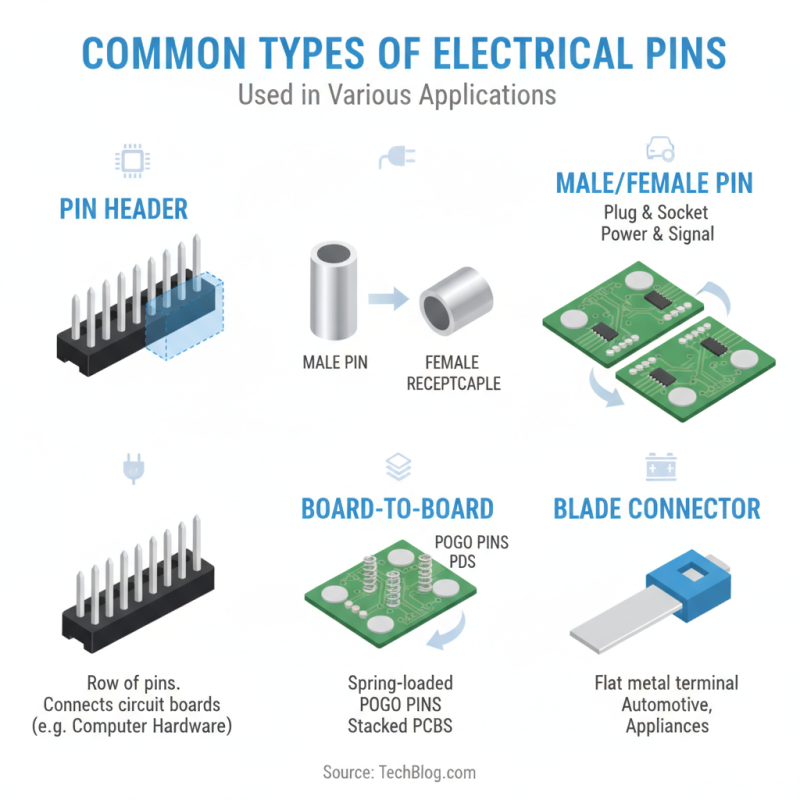
Electrical pins play a crucial role in various applications, from consumer electronics to industrial machinery. Understanding common types can enhance product design and reliability. Among these, the pin header is widely used in computer hardware. It typically features a row of pins that accept connectors, facilitating connections between circuit boards.
Another common type is the socket pin. These pins allow for easy connection and disconnection, making them ideal for temporary setups. For example, they are often found in testing equipment, where components need frequent replacement. A recent industry report highlighted that about 35% of failed electronic devices were due to poor pin connections. This emphasizes the importance of selecting the right type.
When choosing electrical pins, consider the application environment. Factors like humidity and temperature can affect performance. For instance, while gold-plated pins resist corrosion, they might not be suitable for high-temperature applications.
**Tip:** When designing, always test prototypes in real-world scenarios.
Another consideration is the pin's current rating. A mismatch can lead to overheating and failure. For instance, using low-rated pins in high-current applications can shorten the lifespan.
**Tip:** Research standards specific to your application.
Making informed decisions about electrical pins can save time and resources. Stay updated on industry best practices.
Key Characteristics That Differentiate Electrical Pin Types
When working with electrical components, knowing different electrical pin types is crucial. Each type serves unique purposes and has distinct characteristics. For instance, pin headers are commonly used for connecting circuit boards. They typically offer a reliable connection with multiple pins, allowing for versatile applications. This makes them ideal for prototyping and custom electronic designs.
Another important type is the socket connector. These connectors are designed to accommodate pins in a secure manner. They're often used in scenarios where components need to be swapped out or replaced. This flexibility saves time and increases accessibility. In short, socket connectors enhance the efficiency of electronic devices significantly.
However, not all pin types are perfect for every situation. Some connectors may be prone to wear and tear, impacting reliability. Furthermore, the choice of materials affects performance and longevity, leading to potential issues in varying environments. As a designer, understanding these nuances in pin types can help you avoid pitfalls and make informed decisions for your projects.
Top Electrical Pin Types You Need to Know - Key Characteristics That Differentiate Electrical Pin Types
| Pin Type |
Material |
Current Rating |
Applications |
| Header Pins |
Brass with nickel plating |
3A |
Connectors, PCBs |
| Socket Pins |
Gold plated |
2A |
Integrated circuits |
| Banana Plugs |
Copper with gold plating |
10A |
Test equipment |
| DIN Connectors |
Phosphor bronze |
5A |
Audio devices |
| XLR Connectors |
Nickel plated zinc |
10A |
Microphones, professional audio |
How to Choose the Right Electrical Pin for Your Project
Choosing the right electrical pin is crucial for any project. It can influence performance and reliability. Evaluate your project's requirements carefully before making a decision. Consider the electrical load, environmental conditions, and mechanical strength needed.
Different types of electrical pins serve various functions. Some are designed for high voltage applications, while others suit low voltage. Think about thermal resistance and connection types. It's essential to select pins that can handle the expected current without overheating. You might face challenges here, as the specifications may seem overwhelming.
Trial and error plays a role in selecting electrical pins. Testing different types helps identify which one performs best. Document your choices for future reference. Reflecting on past projects can offer insights into pin selection. The learning process can reveal unexpected outcomes.
Safety Considerations When Using Electrical Pins
When working with electrical pins, safety should always be a primary concern. These small connections can lead to significant hazards if not handled properly. Always check the voltage and current ratings before using a pin. Mismatched ratings can cause overheating or failure. It’s essential to use the correct type of pin suited for your specific application to avoid dangerous outcomes.
Proper insulation is vital when utilizing electrical pins. Worn or damaged insulation can lead to short circuits or expose you to electrical shock. Regularly inspect how the pins are connected. Any sign of wear can indicate a potential safety issue. In some cases, using extra insulation or protective covers can help prevent accidents.
Lastly, it’s beneficial to stay informed about best practices regarding electrical connections. Many resources are available, but not all are reliable. Seek guidance from certified professionals or reputable guidelines. Engaging in hands-on training can enhance your understanding of safely using electrical pins. Ignoring known safety procedures can lead to avoidable mistakes. Always prioritize safety and vigilance.