Why Choose Electrical Connectors for Global Sourcing?
Why Choose Electrical Connectors for Global Sourcing?
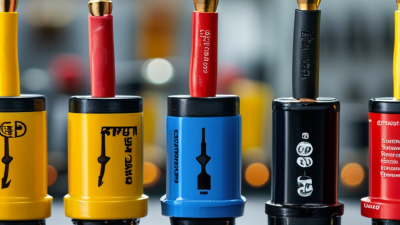
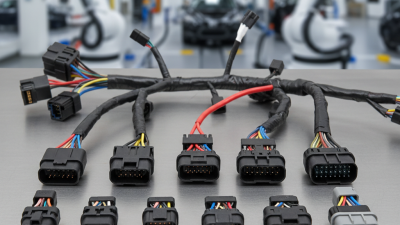
Electrical Connectors are small components with enormous operational consequences. They join power, data, and control systems inside vehicles, appliances, medical devices, and industrial equipment. A loose contact can stop an assembly line. A poorly specified housing can fail under heat, vibration, or moisture. Global sourcing therefore requires more than comparing unit prices.
Industry data supports this expanding opportunity. Grand View Research estimates that the global electrical connectors market reached approximately USD 84.18 billion in 2023. Its report forecasts a compound annual growth rate of about 5.6% from 2024 to 2030. MarketsandMarkets also projects strong growth for the broader connectors market, driven by electric vehicles, automation, renewable energy, and data infrastructure. These figures suggest reliable demand, but they do not guarantee reliable suppliers.
That distinction matters. Experienced procurement teams evaluate contact materials, current ratings, mating cycles, temperature ranges, and ingress protection before requesting quotations. They also verify factory audits, batch traceability, sample consistency, and documented testing. Compliance with relevant IEC or UL requirements, plus RoHS and REACH obligations, should be confirmed for the target market. Certification alone is not enough.
Global sourcing can improve cost control, capacity access, and design flexibility. It can also introduce longer lead times, communication gaps, counterfeit risks, and inconsistent revisions. Not every low-cost connector is economical. A practical sourcing strategy compares total landed cost, qualification effort, failure exposure, and supplier responsiveness. The answer is less glamorous, perhaps, but more dependable: choose Electrical Connectors through evidence, testing, and careful supplier judgment.
What Are Electrical Connectors and Why Do They Matter?
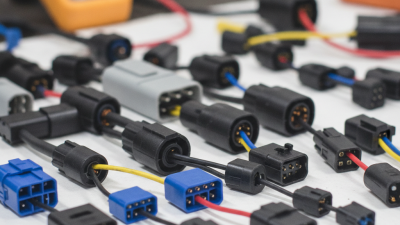
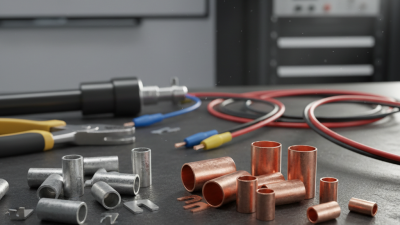
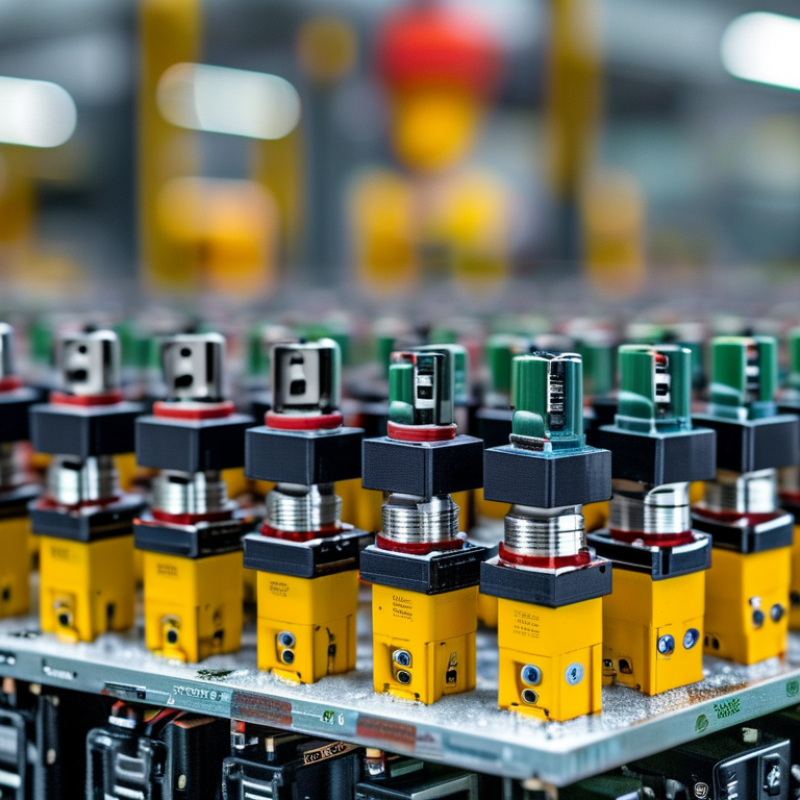
Electrical connectors are small components that join wires, cables, circuit boards, and equipment. They create a controlled path for electrical current and signals. A crimp terminal, for example, grips a stripped wire inside a metal contact. A board-to-board connector links two circuit boards without loose wiring. Small details matter. If the contact fit is poor, resistance can increase, heat can build, and signals may weaken. These failures can appear after repeated vibration, plugging, or temperature changes.
In practical sourcing, connector selection starts with electrical requirements. Engineers check voltage, current, contact resistance, insulation strength, and signal frequency. They also examine the mating cycle rating and locking method. A housing made for indoor use may become brittle under sunlight or moisture. For outdoor equipment, sealing performance and corrosion resistance deserve careful testing. Assembly evidence matters too. Pull tests, continuity checks, and visual inspections can reveal weak crimps or bent contacts. No guesswork.
Global sourcing becomes more reliable when suppliers provide clear drawings, material data, tolerance information, and inspection records. Samples should match the planned production process, not only look acceptable on a desk. Yet samples can mislead. A production batch may show inconsistent plating, loose terminals, or minor dimensional changes. I would record these findings instead of hiding them. That habit supports traceability and honest technical decisions. Cost still matters, but a cheaper connector can create higher replacement, service, and safety costs. One overlooked tolerance may affect an entire assembly.
How Do Electrical Connectors Support Global Sourcing?
Electrical connectors support global sourcing by making equipment easier to assemble, test, repair, and ship across borders. A standardized connector can link panels, sensors, motors, and control units without redesigning every cable. That flexibility matters when suppliers operate in different regions. It reduces tooling changes and shortens production adjustments. Small details matter. Pin spacing, locking force, plating, and insulation must match the working environment. A connector exposed to salt air needs different protection than one inside a dry cabinet.
Reliable sourcing depends on measurable technical requirements, not attractive catalog photographs. Purchasing teams should request drawings, material declarations, test reports, and traceability records. Samples need practical checks. Inspect fit, contact resistance, vibration tolerance, and temperature performance before approving volume orders. Independent laboratory testing can strengthen confidence when production sites or suppliers change. Clear specifications also help compare quotations fairly and prevent hidden substitutions. Yet documentation alone cannot prove every shipment is perfect. Incoming inspection remains necessary, especially for high-volume orders.
Connectors also simplify global logistics. Their compact size lowers packing demands, while modular designs can support local final assembly. Replacement parts become easier to stock. This can reduce downtime when a shipment is delayed or a regional service team needs repairs. However, standardization has limits. A connector may fit physically but fail under moisture, current, or repeated movement. That risk is easy to underestimate. Teams should review actual operating conditions with engineers and suppliers, then update requirements after field feedback. Global sourcing works better when connectors are treated as controlled engineering components, not cheap accessories.
Which Connector Standards Ensure Global Compatibility?
Why Choose Electrical Connectors for Global Sourcing?
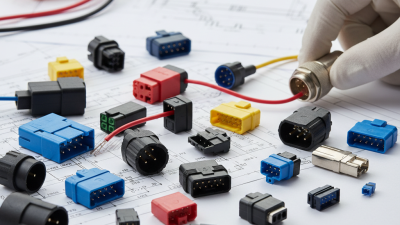
Global sourcing works better when connector selection begins with recognized standards, not appearance. IEC 61076 covers many industrial connector designs and supports consistent mechanical requirements. IEC 60320 defines appliance couplers used in equipment and power systems. For data applications, IEC 60603-7 helps standardize interface dimensions and contact arrangements.
Standards reduce uncertainty.
However, a standard does not guarantee universal compatibility. Engineers must verify contact spacing, keying, current capacity, voltage rating, and mounting dimensions. IEC 61984 addresses connector safety requirements, while IEC 60529 defines IP protection ratings against dust and water. These details matter when a connector faces vibration, moisture, or repeated maintenance.
Regional requirements still influence purchasing decisions. A connector may meet an IEC specification but need additional national testing or certification before installation. Materials should also suit temperature, flame resistance, and environmental restrictions. Sourcing teams should request test reports, dimensional drawings, batch records, and samples before approving production. Small differences can create expensive delays.
A useful lesson is simple: “standardized” does not mean “drop-in.” I have seen specifications overlook cable diameter or locking space. That mistake is easy to make. A comparison table should match the connector, cable, enclosure, and destination market. It should also record revision dates, because standards change and supplier documents may lag behind them. This process feels slower, yet it improves traceability and reduces compatibility risks across global supply chains.
What Factors Affect Connector Quality, Cost, and Supply?
Why Choose Electrical Connectors for Global Sourcing?
Connector quality depends on more than appearance. Contact alloy, plating thickness, housing resin, and terminal geometry affect resistance and service life. IEC 60512 test methods help evaluate vibration, temperature cycling, mating force, and electrical stability. A connector may pass a basic continuity check yet fail after repeated insertion. That is an uncomfortable gap. Buyers should request material certificates, dimensional reports, lot traceability, and test records before approving samples.
Cost is shaped by tooling, metal usage, plating, labor, packaging, certification, and minimum order quantities. The lowest unit price can create higher expenses through rework or field failures. Supply risk also deserves attention. UNCTAD’s Review of Maritime Transport 2023 states that over 80% of global merchandise trade by volume moves by sea. The World Bank’s 2023 Logistics Performance Index reported an average of 44 days from port entry to final delivery. Delays can therefore affect production schedules, not just freight budgets. Regional capacity and dual sourcing may cost more initially, but they can protect continuity.
Tips: Compare total landed cost, not only the quoted price. Ask for insertion-cycle data and temperature limits. Check whether the supplier can maintain identical tooling and plating across production sites. Keep one approved backup source, even if it remains unused. No scorecard is perfect; review it after every quality issue, shipment delay, or engineering change.
How Can Buyers Select Reliable Connector Suppliers Worldwide?
Why Choose Electrical Connectors for Global Sourcing?
Selecting reliable connector suppliers worldwide requires more than comparing prices. A polished website proves little. Buyers should review production experience, connector materials, contact plating, and test procedures. Ask for samples from the same production line used for mass orders. Inspect fit, locking force, insulation quality, and terminal alignment under realistic conditions.
A dependable supplier provides traceable drawings, inspection records, and clear change-control procedures. Request evidence of dimensional checks, electrical testing, and temperature-cycle performance. Factory audits can reveal useful details, such as storage conditions, operator training, and corrective-action habits. Communication matters too. Delayed answers may signal weak project control, although time-zone differences can create unfair impressions. My own preference is to judge response quality over several weeks, not one impressive meeting.
Tips:
Compare at least three suppliers using identical technical requirements. Check sample consistency, not just one perfect piece. Confirm tooling ownership and replacement lead times. Discuss packaging before shipping; loose terminals can bend during transit. Do not ignore small issues. A supplier that dismisses a minor drawing error may handle larger failures poorly. However, buyers should also reflect on their own specifications. Vague requirements can create avoidable disputes, even with an experienced manufacturer. Reliability is shared, but accountability must remain measurable.