2026 Top Wire Harness Connector Manufacturers Worldwide
The 2026 global market for Wire Harness Connectors is shaped by precision, reliability, and rapidly changing vehicle architectures. Manufacturers now serve automotive, industrial, aerospace, medical, and energy applications. Each sector demands different materials, sealing systems, terminal designs, and testing methods. A connector that performs well inside a passenger vehicle may fail in a high-vibration factory environment.
This guide examines leading wire harness connector manufacturers worldwide through practical and technical criteria. These include product depth, contact resistance, environmental sealing, temperature tolerance, automation capability, quality control, and delivery consistency. Certifications and documented testing matter, but they do not tell the entire story. Engineers also inspect crimp height, terminal retention, mating force, and cable routing during real assembly work. Small details can decide whether a harness survives years of heat, moisture, and vibration.
Field experience matters.
The selection process also considers engineering support, customization, tooling resources, and traceability. Reliable manufacturers should provide clear drawings, material information, inspection records, and responsive technical communication. Their connectors must fit production realities, not only laboratory specifications. No ranking is flawless. Supplier performance can vary by region, program size, and production period. Some companies may excel in high-volume automotive systems, while others offer stronger support for specialized or low-volume projects. Readers should verify current certifications, factory capabilities, lead times, and sample performance before making a purchasing decision. This review aims to provide a balanced starting point for professional evaluation, while recognizing that connector quality is proven on the production line.
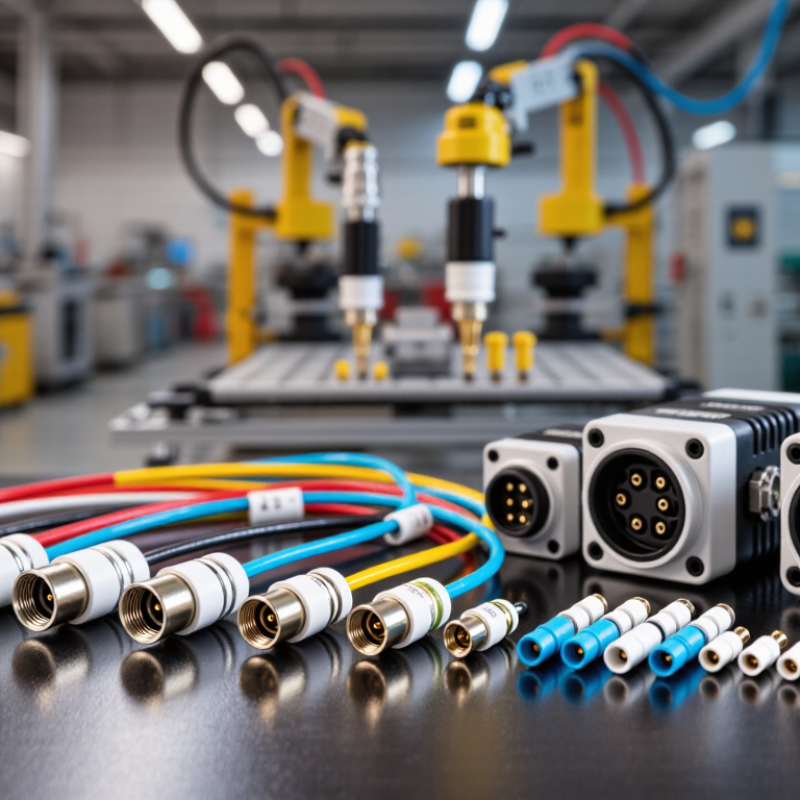
Wire Harness Connectors: Definition, Structure, and Core Functions
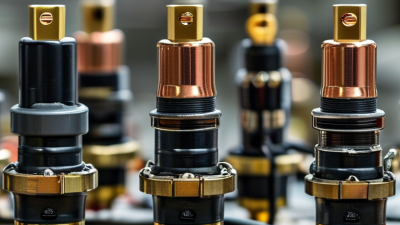
Wire harness connectors join wires to electrical devices, sensors, control units, and power sources. They create a stable path for current and signals. A typical connector includes a housing, terminals, seals, locks, and a strain-relief section. The housing maintains terminal alignment. Terminals carry electricity through crimped or secured contact points. Seals help block moisture, dust, and vibration.
Good design depends on more than appearance. Engineers check wire size, current capacity, contact resistance, temperature range, and mating cycles. A locking mechanism should provide a clear tactile click. In vehicle and industrial harnesses, secondary locks reduce accidental terminal release. Waterproof designs often use rubber seals around individual wires.
However, sealing alone cannot fix poor crimping. I have seen connectors fail because the conductor was only partly captured. That detail is easy to overlook.
Tips:
Check the connector against the actual wire diameter, not only its outer insulation. Inspect crimps under magnification when reliability matters. Keep terminals clean before assembly. Do not force mismatched housings. A small alignment error can damage contacts. Test continuity, retention force, and insulation resistance before installation. It is also wise to record lot numbers and inspection results. Documentation feels slow during production. Later, it can reveal a recurring weakness. Temperature, vibration, chemicals, and repeated movement should guide material selection. No connector is universally suitable.
Major Connector Types and Their Industrial Applications
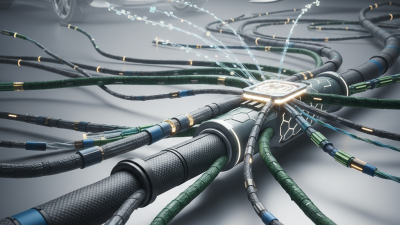
Wire harness connectors remain essential in vehicles, factory equipment, medical devices, and renewable energy systems. Their design affects signal quality, service time, and operational safety. Manufacturers worldwide increasingly develop connectors for heat, vibration, moisture, and limited installation space.
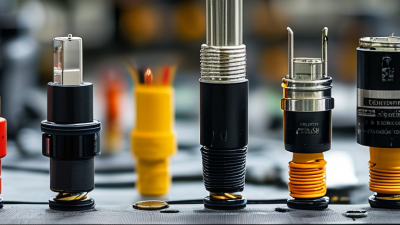
Sealed connectors protect circuits in engine compartments, outdoor machinery, and agricultural equipment. Their locking seals help block water, dust, and chemical residue. Unsealed housings suit protected interiors, such as dashboards, control cabinets, and office equipment. Board-to-wire connectors link harnesses with printed circuit boards in sensors, controllers, and compact appliances.
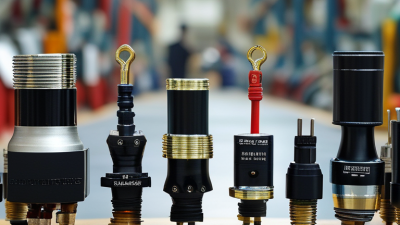
High-current connectors carry power through electric vehicles, battery storage units, and industrial drives. Coaxial connectors support antennas, cameras, and communication modules with controlled signal transmission. Circular connectors often serve robotics and automation lines because their shells resist twisting and repeated movement. Terminal blocks remain practical inside panels, where technicians need visible wiring and quick maintenance.
Selection requires more than matching pin count. Engineers should check current rating, contact plating, temperature range, vibration resistance, and mating cycles. A connector may pass laboratory testing yet perform poorly beside road salt or continuous machine motion. That is easy to overlook. Prototype harnesses should undergo pull tests, thermal cycling, insulation checks, and real installation trials. In practice, assembly errors still happen, especially when color codes resemble each other. Clear keying and tactile locks can reduce that risk.
Criteria for Evaluating Global Connector Manufacturers in 2026
Evaluating global wire harness connector manufacturers in 2026 requires more than comparing prices. Real manufacturing experience should be visible on the production floor. Check crimping controls, terminal alignment, mold precision, and operator training. Ask for test records, not attractive claims. Data matters.
Technical capability should match the application. A qualified manufacturer can explain contact resistance, current capacity, sealing performance, and material selection clearly. Request vibration, thermal cycling, humidity, and salt-spray results from independent laboratories. Verify compliance with relevant international standards and regional regulations. Certificates alone are insufficient.
Supply reliability also deserves close inspection. Review material traceability, engineering change procedures, inspection frequency, and corrective-action records. A serious supplier should identify production batches within hours, not weeks. Evaluate tooling maintenance and backup capacity before approving large orders. Sample performance can be excellent while mass production becomes inconsistent. This is an uncomfortable risk. Delivery history, communication speed, and technical support reveal practical competence. A factory visit may expose details that documents hide, such as crowded inspection areas or poorly controlled storage. Choose evidence over polished presentations.
2026 Top Wire Harness Connector Manufacturers Worldwide
Criteria for Evaluating Global Connector Manufacturers in 2026
The chart presents a practical 100-point evaluation framework rather than company-specific results. Quality and reliability receive the highest weighting because connector performance directly affects electrical continuity, vibration resistance, thermal stability, and long-term vehicle or equipment safety. Compliance, supply resilience, engineering capability, manufacturing capacity, and sustainability reflect widely used procurement requirements for global wire harness programs.
Top Wire Harness Connector Manufacturers Worldwide in 2026
Top Wire Harness Connector Manufacturers Worldwide in 2026 are judged by more than production volume. Reliable manufacturers combine precise molding, stable terminals, and traceable quality controls. Their connectors must resist vibration, moisture, heat, and repeated assembly. In practical evaluations, engineers inspect locking force, plating consistency, and terminal fit. A connector that feels loose can create costly field problems.
Leading manufacturers also support different harness designs, from compact vehicle modules to industrial control cabinets. They provide dimensional drawings, material data, sample testing, and responsive technical communication. Strong suppliers explain limitations instead of promising perfection. That honesty matters. No factory performs flawlessly every day. Production drift, tooling wear, or rushed inspections can still affect consistency. Independent audits and batch records help reveal these risks before shipment.
Tips: Request samples from several manufacturers and test them under realistic conditions. Check insertion force, sealing performance, temperature resistance, and pull strength. Ask how rejected parts are isolated. Review change-control procedures, not only certificates. A polished sample may hide weak process discipline. Comparing one batch is not enough; repeated deliveries provide stronger evidence. Keep a small inspection record with photographs, measurements, and failure notes. It may seem excessive, but memory is unreliable during supplier reviews.
Quality Standards, Innovation, and Future Industry Trends
In 2026, wire harness connector manufacturers face stricter demands for safety, traceability, and stable performance. Experienced production teams inspect terminals, seals, and locking features before final assembly. A connector should survive vibration, heat cycles, moisture, and repeated mating without losing electrical contact. Small details matter.
Quality systems now extend beyond final inspection. Manufacturers use automated vision checks, crimp-force monitoring, and digital production records to identify defects earlier. ISO-based quality management remains important, while automotive programs often require additional process controls and documented supplier approval. Still, a certificate cannot replace practical testing. I have seen apparently clean samples fail after thermal cycling because material behavior was underestimated.
Innovation is moving toward lighter housings, compact terminals, and higher-density layouts for electric vehicles and industrial equipment. Recycled or bio-based polymers may reduce environmental impact, but their long-term resistance needs careful validation. Smart factories can adjust crimp settings in real time, although incorrect sensor calibration may create false confidence. That weakness deserves more attention. Future manufacturers will need engineers who understand materials, electrical design, production data, and field service conditions. Regional supply resilience will also influence purchasing decisions, especially when one delayed component can stop an entire assembly line.