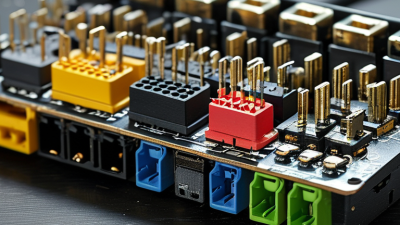
What Is the Best Flexible Flat Cable Manufacturer in China?
Choosing the best Flexible Flat Cable manufacturer in China requires more than comparing prices and attractive product photos. Cable performance depends on conductor quality, insulation thickness, pitch accuracy, bend life, and connector compatibility. A reliable supplier should explain these details clearly, not hide behind general claims.
Experienced buyers often inspect copper plating, cable stiffness, and contact alignment before approving production. Samples should survive repeated bending, temperature changes, and connector insertion tests. Factory visits can reveal practical evidence, such as organized material storage, calibrated equipment, and traceable inspection records. These details matter.
Quality systems also deserve careful attention. Look for documented production controls, electrical testing, dimensional checks, and consistent batch records. Relevant certifications may support credibility, but certificates alone do not guarantee dependable cables. Real performance matters more. Ask for test reports and customer references where possible.
The strongest manufacturer may offer engineering support from the drawing stage through mass production. Engineers should review pitch, length, shielding needs, bend radius, and assembly tolerances. Small design mistakes can cause large installation problems later. That lesson is easy to overlook.
There is no universal “best” supplier for every application. Medical equipment, printers, automotive displays, and industrial controls require different priorities. Price is important, but unstable quality can create higher replacement and service costs. A thoughtful comparison should consider communication speed, sample accuracy, production capacity, and after-sales response. Some supplier information may remain difficult to verify, so independent testing is still wise. This guide examines these factors to identify a dependable Flexible Flat Cable manufacturer in China.
What Is a Flexible Flat Cable and Where Is It Used?
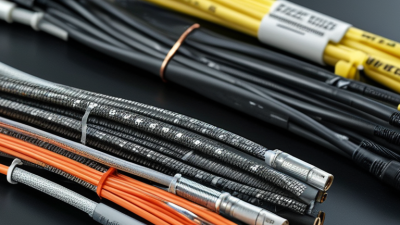
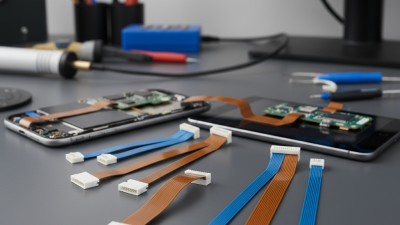
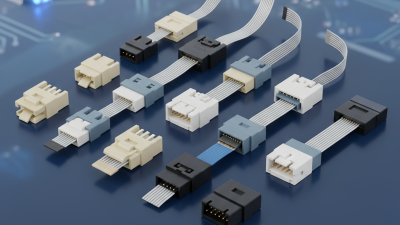
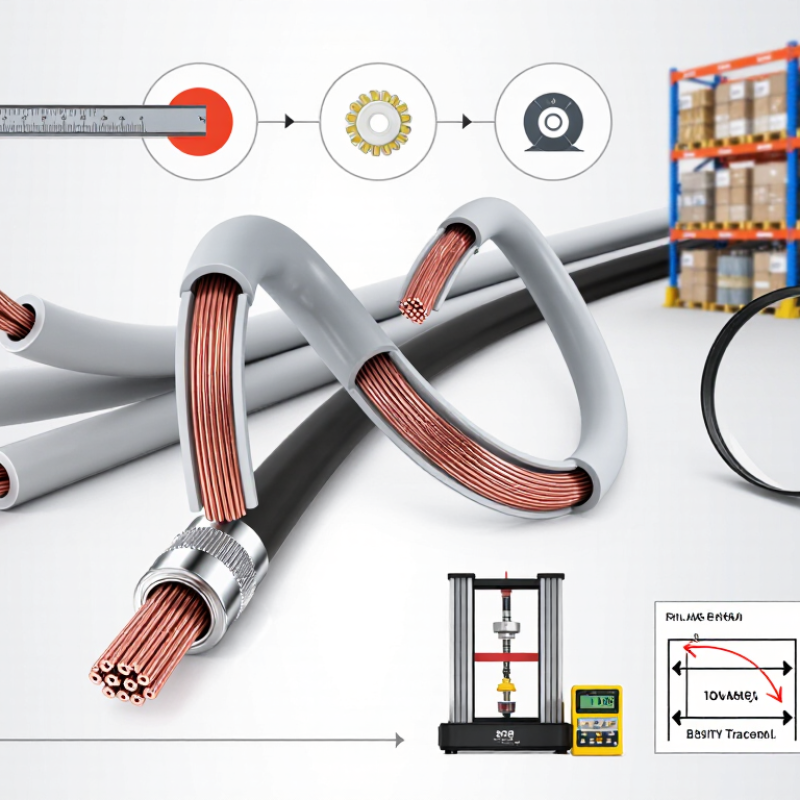
A flexible flat cable, or FFC, is a thin ribbon cable with parallel copper conductors. Its flat shape saves space inside compact electronic equipment. A polymer film usually covers the conductors and provides electrical insulation. Exposed contacts at each end connect with a suitable connector.
FFC is used in printers, laptops, cameras, medical instruments, display panels, and automotive control units. It can carry signals between a moving screen and its main board. In a printer, it may bend repeatedly as the carriage moves. The cable’s pitch, conductor count, length, thickness, and contact direction must match the connector exactly. A small mismatch can stop the entire assembly.
When evaluating a flexible flat cable manufacturer in China, engineers should inspect process control rather than judge price alone. Reliable production includes copper resistance testing, insulation checks, dimensional inspection, and bend-cycle testing. Material traceability also matters when different batches show slight color or stiffness changes. Some suppliers offer samples quickly, but sample quality may not represent mass production. This is an easy detail to overlook. Clear drawings, controlled tooling, and documented inspections make communication more dependable. Certification can support confidence, but it should not replace independent testing or practical assembly trials. A manufacturer with technical support can help adjust conductor spacing, reinforcement, or contact plating for the actual device.ҟатәи
Which Factors Define the Best Flexible Flat Cable Manufacturer?
What Is the Best Flexible Flat Cable Manufacturer in China?
The best flexible flat cable manufacturer is defined by engineering discipline, not a polished catalog. Experienced teams understand how conductor thickness, insulation material, and pitch affect performance. They should recommend suitable designs for tight spaces, repeated bending, and vibration. A cable that looks excellent may still fail after installation. Real production experience matters.
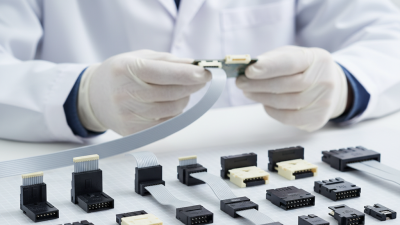
Quality control must be visible and measurable. Ask whether each batch receives continuity, insulation, dimensional, and appearance checks. Reliable manufacturers can provide inspection records, material certificates, and traceable lot numbers. During a factory review, inspect the stamping area, lamination process, and final testing station. A microscope can reveal uneven edges or damaged insulation. Small defects become expensive field problems.
Engineering support also separates strong suppliers from ordinary ones. The manufacturer should review drawings carefully and question unclear tolerances. Sample testing should include the actual bend radius and movement pattern. For example, a cable designed for 10,000 bends needs testing under realistic speed and temperature conditions. Communication matters, especially when changes occur. No supplier is perfect. I would still examine how openly a team reports mistakes and corrects them. That response often reveals more than a quality certificate. Price remains relevant, but low quotations may hide weaker materials, limited testing, or unstable production control. Consistent delivery, responsive documentation, and practical technical advice define dependable manufacturing performance.
How to Compare Chinese Flexible Flat Cable Manufacturers
Choosing the best flexible flat cable manufacturer in China requires more than comparing quoted prices. Start with the cable’s construction: conductor material, pitch tolerance, insulation thickness, and contact plating. A reliable supplier should provide clear drawings, material reports, and inspection records. Ask for samples from normal production, not specially prepared pieces.
Test the sample in conditions close to your application. Check bending performance, connector fit, heat resistance, and signal stability. For moving equipment, request bend-cycle data and inspect the cable after testing. Manufacturing experience matters here. A factory that understands tooling, lamination pressure, and alignment can prevent costly failures. Still, published data is not enough. Visit the production site or arrange a remote audit when possible.
Tips: Compare at least three suppliers. Ask for a sample timeline, quality-control plan, and defect-handling process. Check whether one technical contact answers detailed questions quickly. Slow replies may reveal deeper coordination problems. Do not select the lowest offer automatically. A cheaper cable can bring unstable dimensions, repeated tooling changes, or poor traceability.
Review production capacity carefully. Confirm whether the factory controls cutting, pressing, testing, and final inspection internally. Outsourcing is not always a weakness, but unclear responsibility creates risk. Request batch labels and retention samples for future investigations. I have found that small communication gaps often become larger production issues. One overlooked tolerance can stop an entire assembly line. Also, leave room for improvement: the first sample may pass basic testing but still need refinement for long-term flexing.
What Quality Standards Should a Reliable Manufacturer Meet?
A reliable flexible flat cable manufacturer must prove quality beyond a polished website. ISO’s Survey 2023 recorded 1,265,216 valid ISO 9001 certificates worldwide. However, certification alone cannot confirm stable cable performance. Ask for current certificates, audit scope, and production-site details. The certificate should cover cable design, material control, assembly, and final inspection.
Industry practice should also align with IPC/WHMA-A-620 for cable and wire harness workmanship. For flexible circuits, IPC-2223 offers useful design guidance on bend areas, insulation, and conductor spacing. A dependable factory should perform continuity, insulation-resistance, dimensional, peel-strength, and repeated-bend tests. Test records should show batch numbers, equipment calibration, and acceptance limits. In my experience, small details matter. A connector that fits today may loosen after thousands of bends. That risk is easy to miss.
Tips: Request three recent inspection reports, not one sample. Check copper thickness, plating consistency, adhesive coverage, and bend-radius testing. Ask how rejected material is isolated. Also review traceability from incoming film to shipment. The IPC Electronics Industry Data Exchange Standard highlights the value of consistent manufacturing information, yet many suppliers still provide incomplete records. This is an uncomfortable weakness. A manufacturer may meet a standard on paper while process discipline remains uneven. Independent audits, first-article approval, and controlled sample testing provide stronger evidence. Supplier claims should be treated as starting points, not final proof.
How to Select the Right Flexible Flat Cable Supplier in China
Selecting the right flexible flat cable supplier in China requires more than comparing prices. Request clear technical documents, including conductor material, pitch, insulation thickness, voltage rating, temperature range, and bending requirements. Ask how many bending cycles the cable has passed under controlled conditions. Do not guess.
A reliable supplier should provide production samples before mass manufacturing. Check whether the sample matches your drawing, connector, dimensions, and required tolerance. During a factory review, examine crimping equipment, lamination lines, testing stations, and material storage. Ask for inspection records and batch traceability. Photos help, but live evidence is better. In practical sourcing work, small dimensional errors often cause assembly delays.
Evaluate communication as carefully as manufacturing capacity. Technical staff should explain design limits without making promises they cannot verify. Request a written quality plan covering incoming materials, in-process checks, final electrical tests, packaging, and corrective actions. Confirm tooling ownership, sample lead time, production capacity, and shipment terms in writing. An honest supplier should also identify risks, such as tight bends, heat exposure, or repeated vibration. Some specifications may need revision after testing; that is normal, and ignoring it is not. Begin with a pilot order and record every change before approving larger production.