Leave Your Message

How to Choose Flexible Wire for Global Buyers in 2026?

Choosing Flexible Wire for global markets in 2026 requires more than comparing prices or browsing catalog images. Buyers must connect technical performance with local installation conditions, certification expectations, and long-term supply reliability. A wire that survives a factory robot may fail inside a compact medical device. The details matter.

Flexible Wire specialist Elena Marquez offers a practical reminder: “A cable that bends well today must still perform after thousands of bending cycles.” Her point reflects real purchasing experience. Evaluate conductor material, strand count, insulation type, minimum bend radius, temperature range, voltage rating, and abrasion resistance. Ask for test reports, material declarations, production samples, and traceable quality records. Do not accept vague claims such as “high flexibility” without measurable evidence.

Start with the application.

A drag chain, solar tracker, control cabinet, and portable appliance need different wire constructions. Check whether the cable must resist oil, chemicals, vibration, moisture, or repeated torsion. Confirm compatibility with destination-market requirements, including recognized safety markings and restricted-substance documentation. Regional approval can affect customs clearance, installation acceptance, and customer confidence.

Global sourcing also exposes weaknesses in communication. Technical terms may be translated poorly. Specifications can be incomplete. I have seen buyers focus on conductor size while overlooking insulation aging or connector compatibility. That mistake becomes expensive later. A dependable supplier should explain its test methods, production controls, lead times, packaging, and corrective-action process clearly. The cheapest Flexible Wire is not always the lowest-cost choice. Sometimes, the safer decision is simply the less exciting one.
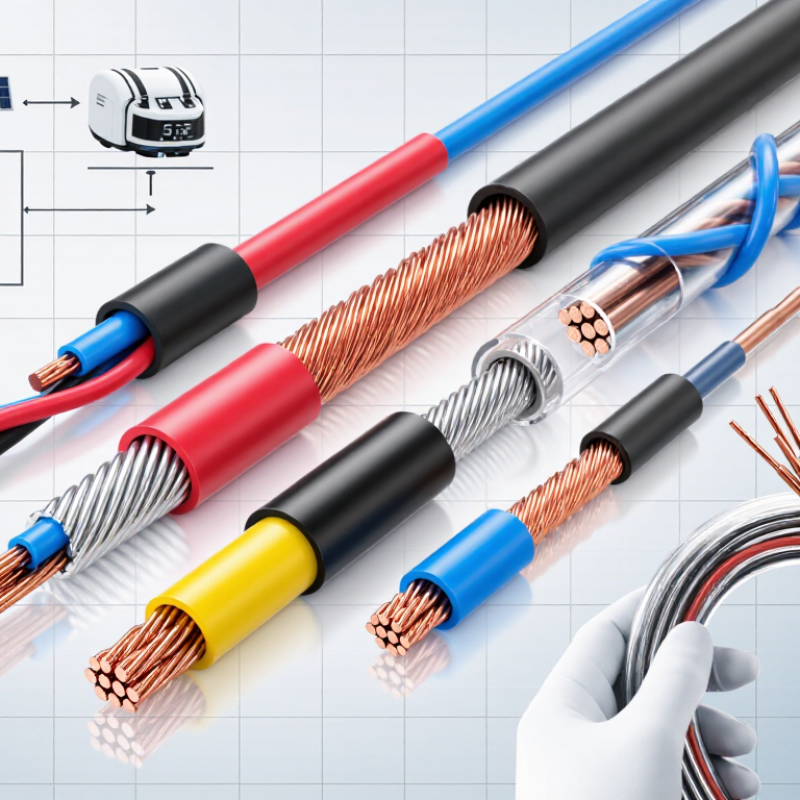
How to Choose Flexible Wire for Global Buyers in 2026?

Define Flexible Wire Types and Their Global Applications

For global buyers in 2026, flexible wire means more than a soft jacket. It describes conductors engineered to bend, vibrate, or move repeatedly. Stranded wire uses many small copper strands, unlike solid wire. Finely stranded wire suits robotic arms, drag chains, and handheld equipment. Movement changes everything. Tinned copper resists oxidation in humid, coastal, and marine environments. PVC insulation works for general control circuits. Silicone handles wider temperature swings, while XLPE supports demanding power applications. Shielded constructions reduce electromagnetic interference near motors and data lines.

IRENA’s Renewable Capacity Statistics 2025 recorded 585 GW of renewable capacity added worldwide in 2024. Solar represented most of that expansion, increasing demand for flexible connections in trackers, inverters, and battery systems. The International Energy Agency reported global electric car sales above 17 million in 2024. That growth raises requirements for vibration-resistant cable assemblies inside vehicles and charging equipment. In factories, flexible control cables connect sensors, servo drives, and moving tools.

A reliable selection starts with the motion profile, not price. Check bend radius, travel distance, flex cycles, voltage, temperature, oil exposure, and flame performance. IEC 60227 and IEC 60245 help classify common PVC and rubber-insulated cables, but local installation rules still matter. Ask for test evidence, conductor class, and batch traceability. I have seen a cable pass a static test yet fail after repeated bending. A neat datasheet can mislead. Global sourcing also requires clear metric sizes, consistent color coding, and usable technical documents. The most flexible option is not always the safest.
Match Wire Construction to Voltage, Temperature, and Flexibility Needs

Choosing flexible wire starts with operating voltage, not the product photograph. For a 24 V sensor panel, fine-stranded copper and thin insulation may improve routing. A 600 V motor circuit needs stronger insulation and verified voltage markings. Leave a safety margin above the working voltage. This is practical, not decorative. In my cable reviews, unclear ratings caused more concern than bright jackets. Ask for datasheets, test reports, and conductor size before comparing prices.

Temperature changes insulation performance. Near a heater, select insulation rated for continuous heat, not a short peak. In a freezer, check low-temperature flexibility and jacket cracking. A cable rated from -40°C to 90°C may suit outdoor machinery, but installation temperature still matters. Check current load too. Heat from resistance can shorten service life. I once underestimated a warm control box; the wire stayed flexible, yet its jacket hardened after months. That mistake changed our inspection checklist.

Flexibility depends on construction: more strands, smaller strand diameter, suitable lay length, and a flexible jacket. A robotic chain needs repeated-bend data and a specified bend radius. A hand-moved panel wire may need less. Do not confuse softness with durability. The softest sample can fail under oil, abrasion, or constant twisting. Measure the actual path, count daily movements, and compare the supplier’s test conditions. Some test results look impressive. They may not match your machine. Recheck them.

Evaluate Materials, Safety Standards, and Environmental Resistance

For global buyers, flexible wire selection starts with the conductor, not the catalogue photo. IEC 60228 identifies Class 5 and Class 6 stranded conductors for flexible applications. Class 6 uses finer strands and usually bends more easily. Copper provides high conductivity, while tinned copper better resists oxidation in humid or coastal areas. The softer option is not always the safer option.

Insulation must match heat, chemicals, and movement. PVC suits many general installations, but TPU often performs better against abrasion, oils, and repeated flexing. Check the complete temperature range, not only the maximum rating. The European Commission’s RoHS framework limits lead and several other substances to 0.1% in homogeneous materials. Cadmium is limited to 0.01%. Ask for test records, material declarations, and traceable batch information.

Safety evidence should include applicable IEC or national test reports. IEC 60332-1-2 evaluates vertical flame propagation using a 1 kW test flame. IEC 60754 addresses halogen-acid gas emissions, while IEC 61034 measures smoke density. Environmental claims also need context. ISO 9227 neutral salt-spray testing commonly uses a 5% sodium-chloride solution, but it does not predict exact field lifetime. For outdoor routing, verify UV exposure, water ingress, bending cycles, and connector compatibility. I would question any supplier promising universal performance. Real installations are messier. Temperature, dust, and careless routing can defeat a good cable quickly.

How to Choose Flexible Wire for Global Buyers in 2026? — Evaluate Materials, Safety Standards, and Environmental Resistance
Wire Insulation / Jacket Material Typical Continuous Temperature Range Flexibility and Bend Performance Electrical and Safety Characteristics Environmental Resistance Common International Standards or Test References Typical Applications Selection Considerations
PVC Approximately −20°C to +70°C for common flexible constructions; specialized formulations may extend the range. Good Good insulation, abrasion resistance, and cost efficiency. Flame performance depends on the formulation and construction. Good: moisture, dilute acids, and many common chemicals.
Limited: prolonged high heat, strong solvents, and some oils.
IEC 60227 for certain 450/750 V PVC-insulated cables; IEC 60228 for conductor classes; IEC 60332-1-2 for vertical flame testing where applicable; RoHS and REACH requirements may apply to the finished product. Control panels, appliances, internal equipment wiring, light-duty industrial equipment, and general low-voltage assemblies. Choose a temperature-rated and flame-tested construction that matches the installation environment. Confirm whether the cable must be oil-resistant or suitable for continuous flexing.
Thermoplastic Elastomer (TPE) Commonly approximately −40°C to +90°C; specialized grades can provide wider operating ranges. Very good Soft, flexible insulation with good resistance to repeated bending. Electrical performance varies significantly by TPE formulation. Good: abrasion, moisture, and low-temperature flexibility.
Variable: oils, solvents, and elevated temperatures.
IEC 60227 or IEC 60245 may be relevant depending on cable construction and voltage rating; IEC 60228 for conductor class; IEC 60332-1-2 where flame testing is required. Robotic equipment, portable tools, drag-chain systems, automation equipment, and moving control cables. Verify the manufacturer’s declared flex-cycle performance, minimum bend radius, oil resistance, and suitability for torsion or drag-chain use.
Silicone Rubber Approximately −60°C to +180°C for many cable constructions; exact limits depend on the compound and design. Excellent Maintains flexibility across a wide temperature range and provides good dielectric stability. Mechanical tear and cut resistance may be lower than some thermoplastics. Excellent: heat, cold, ozone, ultraviolet exposure, and weathering.
Variable: abrasion, sharp-edge contact, and some oils.
IEC 60245 may apply to certain rubber-insulated flexible cables; IEC 60228 for conductor class; IEC 60332 series where flame performance is specified. High-temperature equipment, lighting assemblies, ovens, furnaces, medical equipment, and applications requiring low-temperature flexibility. Use protective routing where abrasion or cutting is likely. Confirm smoke, flame, oil, and mechanical requirements separately because silicone alone does not define all safety properties.
XLPE Typically up to +90°C continuous conductor operating temperature; higher short-circuit ratings may be permitted by the applicable cable standard. Moderate to good High insulation resistance, good dielectric strength, and better thermal capability than standard PVC. Less inherently soft than elastomeric insulation. Good: moisture, heat, and many chemicals.
Variable: repeated tight bending and certain hydrocarbons.
IEC 60502-1 for certain low-voltage power cables; IEC 60228 for conductor class; IEC 60332 and IEC 60754 may apply to flame and halogen-acid gas requirements depending on the cable design. Power distribution, industrial equipment, control systems, and installations requiring higher thermal capacity. For frequent movement, select a specifically designed flexible XLPE cable rather than a standard fixed-installation power cable. Check voltage rating, bend radius, and installation method.
ETFE Approximately −65°C to +150°C for many wire constructions; application-specific designs may differ. Good Thin-wall insulation with high dielectric strength, low moisture absorption, and good resistance to radiation and chemicals. Excellent: chemicals, moisture, ultraviolet exposure, and many radiation environments.
Variable: high-temperature mechanical wear.
IEC 60228 for conductor class; IEC 60332 series where flame testing is required; aerospace, railway, or defense specifications may impose additional tests. Aerospace systems, instrumentation, laboratory equipment, high-density wiring, and harsh industrial environments. Consider the higher material cost and verify resistance to abrasion, installation tooling, and the required voltage and flame ratings.
PTFE Approximately −60°C to +200°C for many wire constructions; specialized products may have different limits. Good Excellent dielectric properties, very low moisture absorption, and low friction. It is generally less resistant to mechanical damage than thicker elastomeric jackets. Excellent: chemicals, solvents, moisture, ozone, and high temperature.
Variable: abrasion and radiation depending on exposure level.
IEC 60228 for conductor class; IEC 60332 series where flame testing is specified; application-specific aerospace, laboratory, or industrial specifications may also apply. High-temperature instrumentation, chemical processing equipment, sensors, analytical systems, and compact internal wiring. Use appropriate routing and strain relief. Confirm cold-flow behavior, flexing requirements, and jacket protection when the wire is exposed to repeated mechanical stress.
Thermoset Rubber / EPR Commonly approximately −40°C to +90°C for continuous operation; exact ratings depend on the cable standard and compound. Very good Good flexibility, resilience, and thermal performance. Suitable formulations can provide strong mechanical and weathering performance. Good to excellent: moisture, outdoor exposure, and mechanical handling.
Variable: oils, solvents, and flame performance.
IEC 60245 for certain rubber-insulated flexible cables; IEC 60228 for conductor class; IEC 60332 series where flame testing is required. Portable industrial equipment, construction equipment, outdoor machinery, extension assemblies, and heavy-duty flexible connections. Confirm the intended duty classification, oil resistance, outdoor suitability, voltage rating, and required minimum bend radius before purchase.

Buyer checklist: Confirm the conductor class under IEC 60228, rated voltage, continuous and short-term temperature limits, minimum bend radius, flex-cycle or torsion rating, flame and smoke requirements, chemical exposure, ingress protection, applicable regional approvals, and compliance with current RoHS and REACH obligations. The values above are typical engineering ranges; the cable’s product-specific datasheet and the destination market’s regulations take precedence.

Compare Supplier Quality, Certifications, Lead Times, and Total Cost

How to Choose Flexible Wire for Global Buyers in 2026?

Flexible wire selection should begin with supplier evidence, not a low quotation. In sourcing projects, I check conductor class, copper purity, insulation thickness, bending performance, and batch traceability. IEC 60228 defines conductor resistance and construction requirements. IEC 60332 testing can indicate flame behavior. Market rules may also require RoHS, REACH, or local safety approvals. A certificate alone proves little. Request the original test report, laboratory scope, sample identification, and production date. Then compare the sample with the shipment.

Lead time needs more detail than “two weeks.” Separate material preparation, extrusion, testing, packing, customs, and ocean or air transport. The World Bank’s 2023 Logistics Performance Index reported that only 60% of shipments reached destinations within one day of the expected time. Build a practical buffer.

The International Copper Study Group’s October 2024 outlook forecast refined copper usage growth of about 3.5% in 2025, which may pressure material availability and pricing. Ask suppliers how they manage copper procurement and price adjustments.

Total cost includes more than the unit price. Add tooling, testing, certificates, freight, duties, inventory, inspection, and failure risk. A cheaper cable with inconsistent insulation can create rework and field returns. I have seen buyers overlook packaging damage and minimum-order quantities. That mistake is expensive. Use a landed-cost sheet, compare two production batches, and negotiate clear replacement terms. Some estimates will remain imperfect. Record the assumptions. Recheck them before approval.

Confirm Samples, Testing, Packaging, and International Shipping Requirements

How to Choose Flexible Wire for Global Buyers in 2026?

Start with production samples, not catalogue promises. Request the exact conductor size, strand class, insulation material, color, and finished length. IEC 60228 defines conductor classes, while IEC 60811 covers important cable material tests. Ask for resistance, insulation, voltage withstand, bending, and flame testing where applicable. Require test dates, equipment details, and laboratory identification. A pass report without traceable samples is weak evidence. I have seen buyers approve a sample, then receive a different jacket hardness. That small gap can stop assembly.

Packaging needs equal attention. Confirm coil diameter, reel dimensions, edge protection, moisture barriers, labels, and maximum lifting weight. Photograph the packed shipment before dispatch. The World Bank’s 2023 Logistics Performance Index covered 139 economies and assessed customs, infrastructure, logistics competence, tracking, and timeliness. These factors directly affect delivery risk. UNCTAD’s Review of Maritime Transport 2024 reported that maritime trade grew by about 2.4% in 2023, while shipping disruptions continued to pressure schedules.

For international shipping, confirm the HS classification, country of origin, Incoterms 2020 rule, carton count, gross weight, and destination requirements. Ask whether the shipment is treated as ordinary cargo or needs special handling. Do not assume. A forwarder should verify documents before pickup. Include commercial invoices, packing lists, and any requested conformity records. One overlooked measurement can trigger rework, extra storage, or customs questions. Shipping plans should be tested against real routes, not only quoted prices.